Datum Machine
Datum Machine
Datum Machine
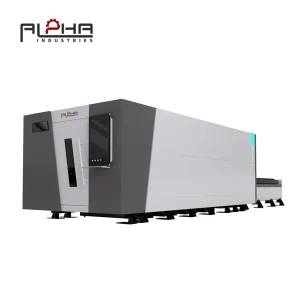
Explore our primary collection of high-kilowatt fiber lasers, automated wood cutting systems, multi-dimensional robotic processing arms, and custom metal fabrication technologies.
The global metal processing and fabrication market is undergoing an unprecedented technological evolution. The integration of high-power fiber lasers with intelligent automation is replacing traditional mechanical shearing, punching, and plasma methods. Industrial operations demand shorter turnaround times, exceptional dimensional accuracy, and minimised material waste.
For modern engineering and procurement, laser cutting is no longer a standalone operation. It has evolved into a unified process incorporating advanced surface finishing solutions. Post-cutting treatments—including chemical passivation, sandblasting, electro-powder coating, and automated painting—determine the product's ultimate structural resilience and longevity. By controlling both cutting tolerances and chemical surface integration, OEMs ensure parts resist wear and corrosion in harsh marine, automotive, or industrial settings.
"Industry analysts project the global market for fiber laser systems will grow at a CAGR of 8.2% through 2030, driven by the demand for high-strength steel processing in electric vehicle (EV) chassis and solar energy infrastructure."
Modern commercial ecosystems depend on high-kilowatt (up to 40kW) fiber engines to process heavy-gauge structural profiles with negligible Heat-Affected Zones (HAZ). This transition is powered by several primary engineering requirements:
Industrial buyers face significant challenges when sourcing structural metal and fiber laser systems. Lead times, shipping volatility, quality control lapses, and a lack of local technical support can compromise operations. In response to these concerns, experienced OEMs have restructured their business models around four key pillars:
Global procurers cannot afford deviations in mechanical tolerances. Standard sheet metal parts must align with high-precision specifications, whether cutting carbon steel with oxygen or processing stainless steel under high-pressure nitrogen. Selecting an OEM partner with verified ISO 9001:2015 certifications and calibrated laser interferometers ensures every component meets international mechanical standards.
Reputable fabricators supply Mill Test Certificates (MTCs) for all incoming raw materials, including stainless steel sheets, carbon steel, and aluminum plates. In addition, post-cutting finishing must withstand environmental exposure. Specifying ASTM B117 salt spray testing cycles for powder-coated and painted surfaces ensures components perform reliably over their intended service life.
| Material Type | Recommended Laser Source | Assist Gas Type | Edge Quality & Finish Type | Typical Applications |
|---|---|---|---|---|
| Stainless Steel (304/316) | Fiber Laser (High-power) | Nitrogen (High Pressure) | Oxide-free, bright metallic finish | Automotive, Food processing, Marine hardware |
| Carbon Steel (Q235/Q355) | Fiber Laser / CO2 | Oxygen (Low Pressure) | Thin oxidation layer, powder coat ready | Heavy Machinery, Steel Structures, H-beams |
| Aluminum Alloys | Fiber Laser (Reflective-ready) | Nitrogen / Compressed Air | Burr-free edge with high-precision cut | Aerospace brackets, EV battery trays |
| Non-Metal Sheets | CO2 Laser / CNC Blade | Compressed Air | Smooth, polished edge profile | Signage, interior panels, wood fabrication |
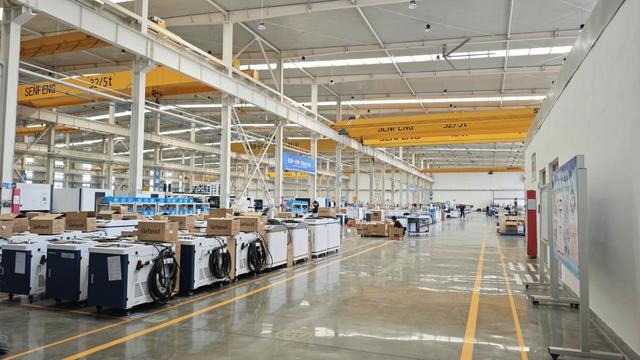
The term "Made in China" has evolved. In modern smart factories, it represents automated efficiency, connected production scheduling, and integrated logistics. China's Factory 4.0 model combines production systems with automated material handling, reducing human error and optimizing raw material consumption.
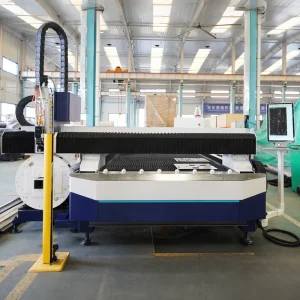
For global buyers, this shift delivers major cost and quality advantages. Advanced software handles nesting automatically, while high-accuracy CNC systems control production runs. Raw materials move seamlessly from high-rise storage systems to fiber laser beds, optimizing material handling times. This level of automation ensures consistency across high-volume production batches.
Furthermore, China’s industrial hubs provide unmatched supply chain integration. In regions like the Yangtze River Delta, laser manufacturing hubs sit close to steel refineries, component suppliers, surface treatment facilities, and major shipping ports in Shanghai. This close proximity simplifies procurement, minimizes domestic transport delays, and helps mitigate global shipping uncertainties.
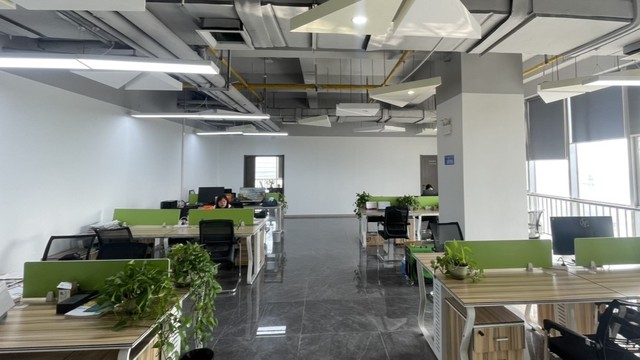
Shanghai Datum Machine Co., Ltd. is a professional China automation laser cutting manufacturer specializing in fiber laser cutting systems, CNC cutting solutions, and smart manufacturing equipment for global industrial customers. With extensive experience in advanced manufacturing technologies, we are dedicated to providing high-performance automation solutions that improve productivity, precision, and operational efficiency across a wide range of industries.
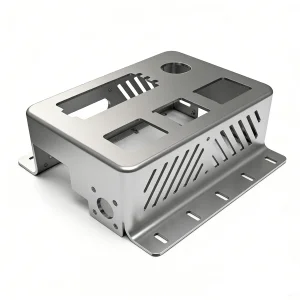
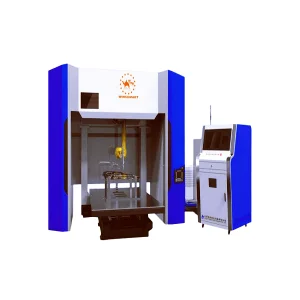
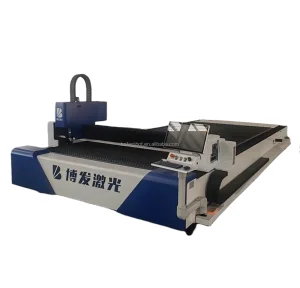
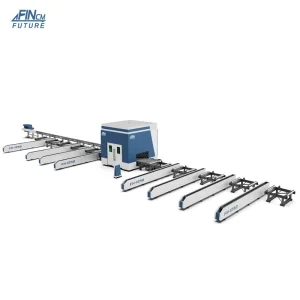
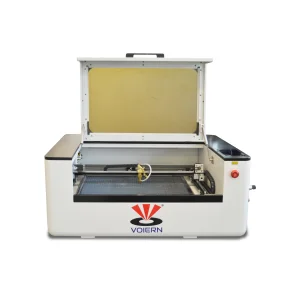
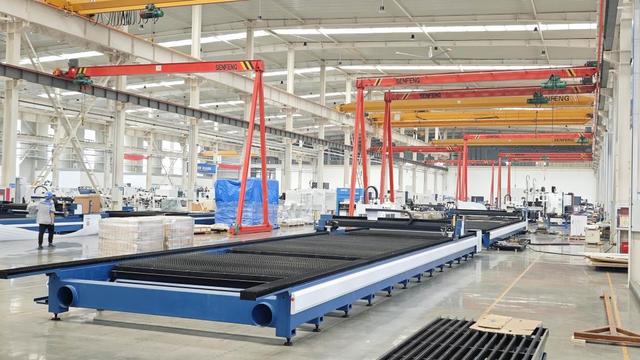
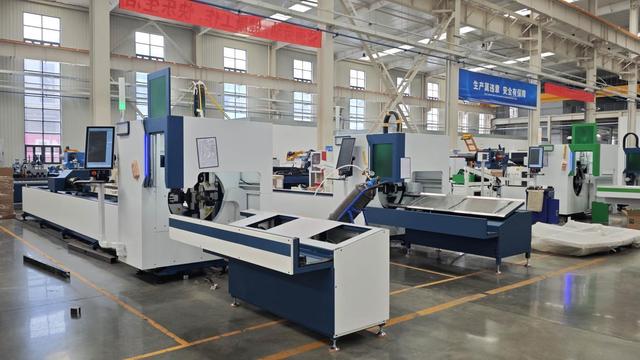
Our product portfolio includes fiber laser cutting systems, CNC laser cutting equipment, tube laser cutting machines, sheet metal processing solutions, robotic laser cutting systems, automated loading and unloading systems, laser production lines, and customized manufacturing automation solutions. Designed to meet the evolving demands of modern factories, our equipment delivers exceptional cutting accuracy, high-speed performance, reduced material waste, and reliable long-term operation.
At Datum Machine, innovation is at the center of our development strategy. Our engineering team continuously integrates intelligent control technologies, automation systems, and advanced manufacturing concepts to help customers build more efficient and flexible production environments. From standalone laser cutting equipment to fully integrated smart factory solutions, we provide comprehensive support tailored to each customer's production requirements.
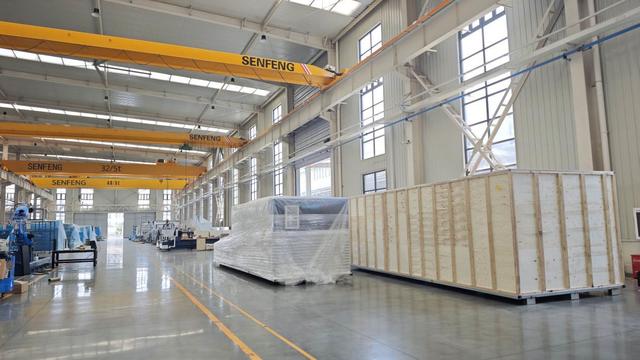
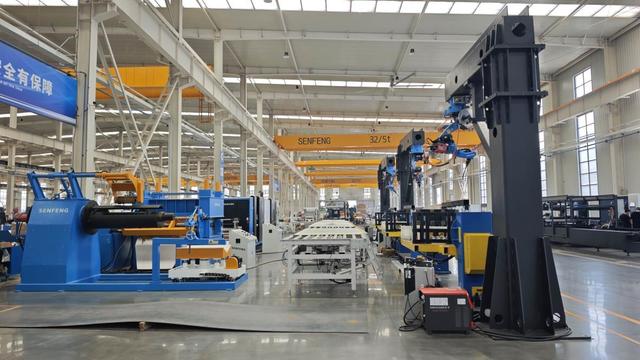
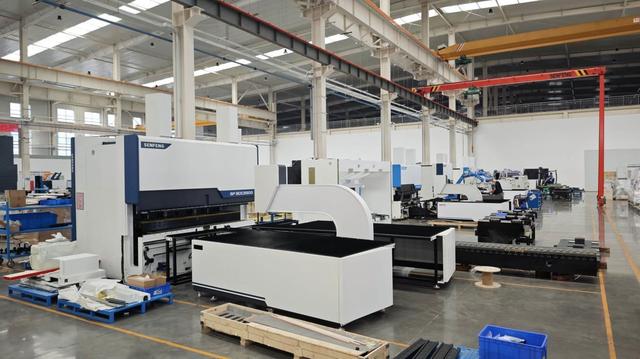
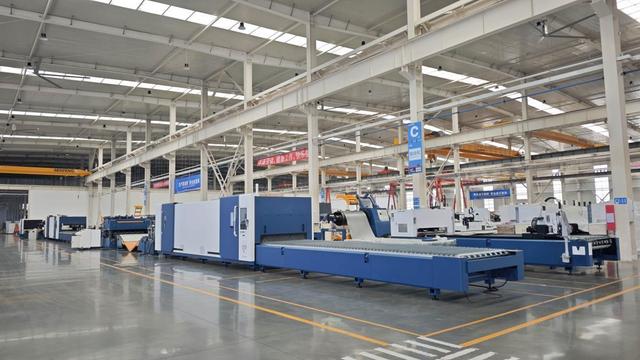
Quality and reliability are fundamental to our manufacturing philosophy. We maintain strict quality control procedures throughout design, production, testing, and delivery to ensure every system meets international performance and safety standards. Our modern manufacturing facilities and experienced technical team enable us to provide consistent quality and dependable service for customers worldwide.
Serving clients across automotive, metal fabrication, machinery manufacturing, construction, aerospace, electronics, and industrial processing sectors, Shanghai Datum Machine Co., Ltd. has established a strong reputation for advanced technology, customized solutions, and responsive customer support. We are committed to becoming a trusted global partner in automation laser cutting, helping manufacturers achieve higher efficiency, smarter production, and sustainable growth through innovative laser processing technologies.
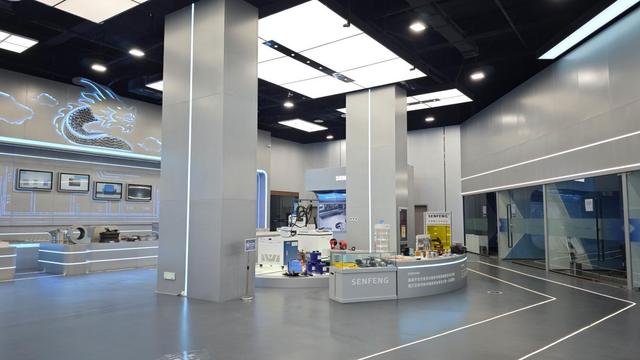
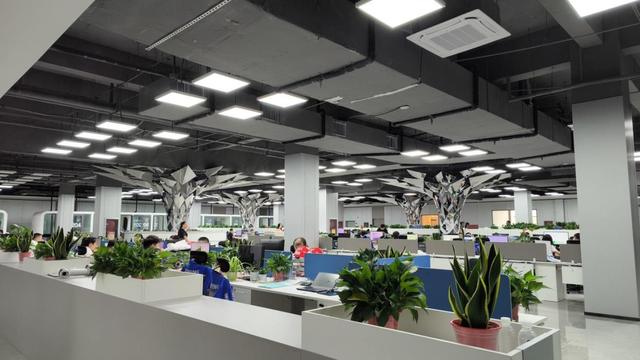
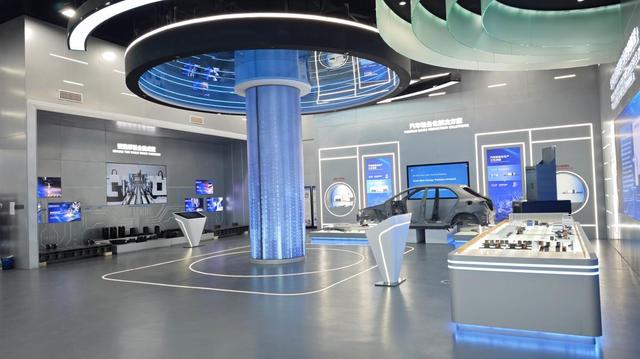
Get detailed insights into technical parameters, manufacturing tolerances, and sourcing strategies to optimize your procurement decisions.
Fiber lasers operate at a wavelength of approximately 1.06 microns, which is ten times shorter than the wavelength of CO2 lasers. This shorter wavelength allows metals like stainless steel, carbon steel, brass, and copper to absorb the laser energy more efficiently. Consequently, fiber lasers cut thin and medium sheets up to three times faster than CO2 lasers, while reducing power consumption by 50–70%.
The choice of assist gas determines the chemical characteristics of the cut edge. High-pressure Nitrogen (N2) displaces oxygen during cutting, preventing the formation of an oxidation layer and yielding a clean, paint-ready surface. Conversely, Oxygen (O2) initiates an exothermic reaction that speeds up cutting in thick carbon steel, though it leaves a thin oxide layer that must be removed prior to powder coating to ensure proper adhesion.
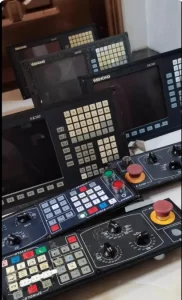
We combine advanced optical collimation, high-speed CNC controls (such as the Weihong NK300), and optimized laser modulation to keep the HAZ to a minimum. By adjusting power output dynamically relative to feed rates, we prevent thermal accumulation at corners and narrow geometry features, ensuring the material retains its original grain structure.
For outdoor and highly corrosive environments, we provide dual-action finishing solutions. These include sandblasting to surface preparation standard Sa 2.5, followed by zinc-rich primer application and electrostatically applied UV-resistant architectural powder coating. This dual-stage finishing process achieves superior adhesion and rust protection, maintaining appearance and performance over long service life.
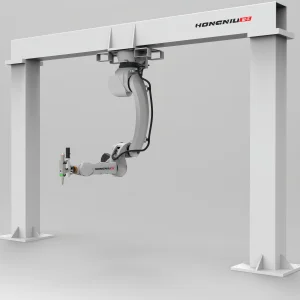
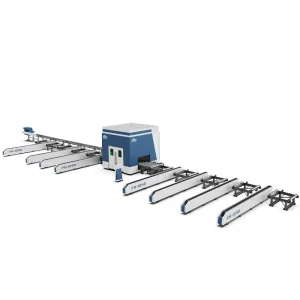
Yes. Our custom OEM division handles complex structural profiles, including H-beams, U-channels, and heavy-walled tubes. Using 3D five-axis robotic laser arms and advanced CAD/CAM software, we cut, bevel, and drill complex configurations in a single setup, eliminating secondary handling steps.
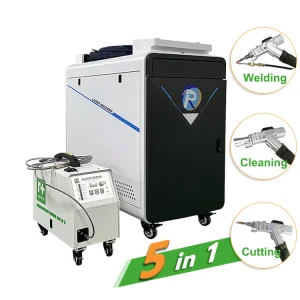
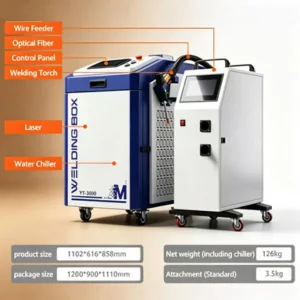
Examine our selection of multi-axis CNC profiling units, handheld laser welding systems, structural H-beam processors, and digital CNC control systems.