Datum Machine
Datum Machine
Datum Machine
Direct export of premium-grade, heavy-duty smart laser lines with international structural safety certification.
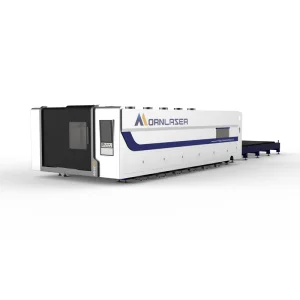
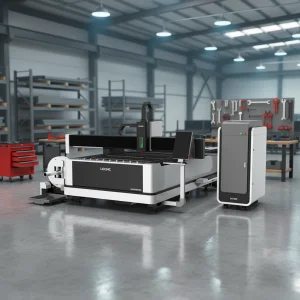
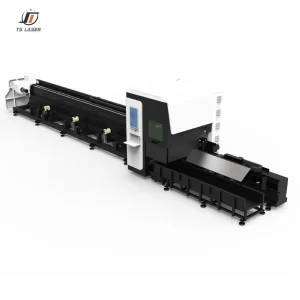
How Shanghai Datum Machine Co., Ltd. is defining global benchmarks for automated cutting, structural sheet metal handling, and heavy industrial laser integration.
In today's fast-moving industrial landscape, advanced laser fabrication techniques represent the ultimate standard for speed, precision, and cost efficiency in metal manufacturing. As global procurement targets transition from legacy mechanical processes to automated, high-power systems, manufacturers demand structural reliability, system intelligence, and adaptive technology. Shanghai Datum Machine Co., Ltd. stands as a premier China-based factory and exporter, engineered to design, manufacture, and integrate state-of-the-art fiber laser machinery.
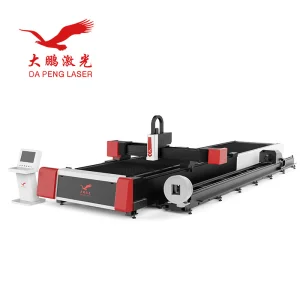
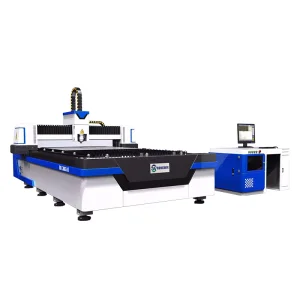
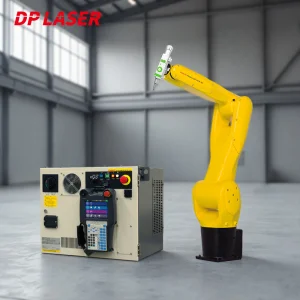
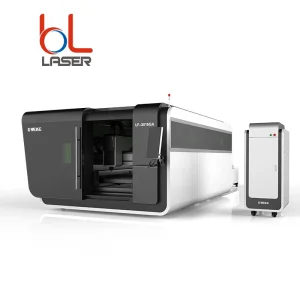
Our product design strategy combines extreme hardware robustness with smart software controls. By incorporating key premium components, such as high-precision HIWIN linear guide rails and intelligent CNC systems, our catalog spans everything from high-power 20kW exchange-table cutters to custom 3D robotic welding systems. We understand that global factory buyers do not just buy a machine; they source an operational strategy to decrease scrap material, reduce human error, and achieve an unbeatable return on investment.
All Datum Machine equipment strictly aligns with international ISO quality standards and CE directives, ensuring safety in rigorous high-speed operating environments.
We provide comprehensive OEM and ODM support, tailoring automated fiber laser configurations, table sizes, chuck diameters, and software APIs to your factory floor requirements.
From our strategically managed facilities in Shanghai, we export to clients in North America, Western Europe, Southeast Asia, and South America with secure, damage-free transport packaging.
An engineering review of the shifting paradigms in precision materials processing, high-power beam optics, and adaptive automation.
Modern fabrication demands higher speeds, deeper penetration, and cleaner edge finishes. Driven by advancements in fiber optics, laser fabrication is undergoing an evolutionary shift characterized by three key megatrends:
Historically, 3kW to 6kW laser systems dominated sheet metal manufacturing. Today, heavy industries like shipyards, construction equipment, and mining vehicle producers rely heavily on 20kW+ and 30kW fiber lasers. These systems easily slice through stainless and carbon steel plates up to 50mm thick. More importantly, high-power systems allow for high-speed bevel cutting, completing weld preparation geometries in a single pass without secondary mechanical grinding.
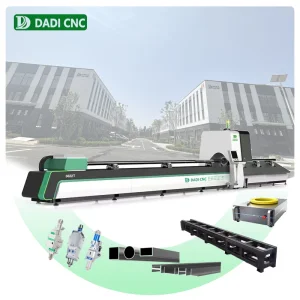
Flatbed cutting tables are no longer the absolute boundary. The rise of 3D, 6-axis robot arm fiber laser cutters allows operators to process complex hydroformed automotive components, structural tubes, and curved architectural plates. With digital twins and specialized CAD/CAM software, complex profiles are processed in a single program path.
Modern laser systems utilize intelligent optical heads that read real-time thermal feedback from the kerf. If the beam starts to overheat or dross begins to accumulate, the system automatically alters gas pressure, focal positioning, and feed rates to prevent errors, avoiding expensive part rejections.
Analyzing the commercial pain points, technical expectations, and structural criteria of modern industrial global buyers.
Industrial procurement heads in regions like the EU and USA balance several factors when selecting their primary machine fabrication exporter:
While low initial capital cost is attractive, experienced buyers prioritize electric efficiency, laser source lifespan (often exceeding 100,000 operational hours), consumables availability, and structural uptime. High-reliability machinery minimizes downtime, which can cost factories thousands of dollars per hour.
Modern smart factories require laser units to connect with existing MES (Manufacturing Execution Systems) and ERP databases. Buyers look for built-in PLC communications, automated loading/unloading lines, and open software API architectures.
Machines must meet strict local safety guidelines (such as OSHA in the US or CE machinery directives in Europe). Enclosed safety housing, radiation-safe observation glass, automatic gas purge systems, and integrated exhaust filtration are mandatory requirements.
How Shanghai Datum Machine Co., Ltd. leverage industrial infrastructure, integrated component ecosystems, and deep manufacturing expertise.
The global manufacturing supply chain requires high agility, speed, and cost-effectiveness. In response, China's laser fabrication factories have transitioned from basic machinery assembly plants into digital "Factory 4.0" hubs. At Shanghai Datum Machine Co., Ltd., we combine advanced industrial design with structural engineering, resulting in rapid delivery and customized configurations.
Our localized supply chain in China enables us to obtain high-performance mechanical and optical components—including high-precision rack and pinion systems, stable CNC controllers, and premium laser sources—very efficiently. By integrating local automation supply chains with international components like HIWIN linear guide rails, we balance cost efficiency and high-precision performance. For overseas buyers, this ecosystem offers significant advantages:
Our heavy-duty steel machine beds undergo rigorous thermal stress-relieving annealing processes, ensuring long-term deformation resistance for continuous production runs.
Whether you require customized chuck diameters for complex tube cutting or double-bed exchange tables, our structural design cycles adapt to your specifications within days.
We leverage virtual factory tours, remote operational testing, and real-time project updates to build clear, reliable partnerships with our global buyers.
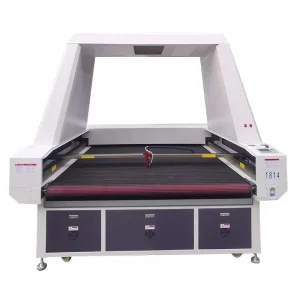
From heavy automotive chassis manufacturing to micro-textile processing, our smart laser designs cover diverse industrial domains.
Inside our modern manufacturing plant. Verifiable engineering facilities, advanced assembly areas, and strict testing protocols.
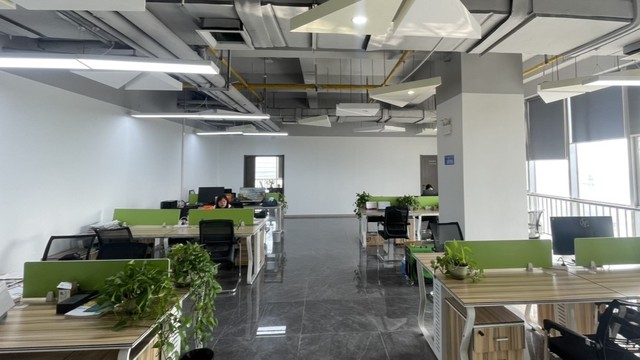
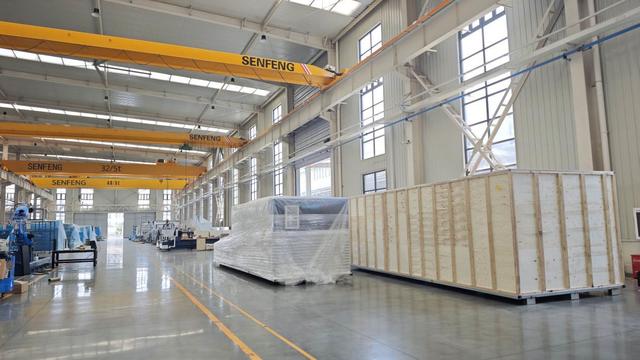
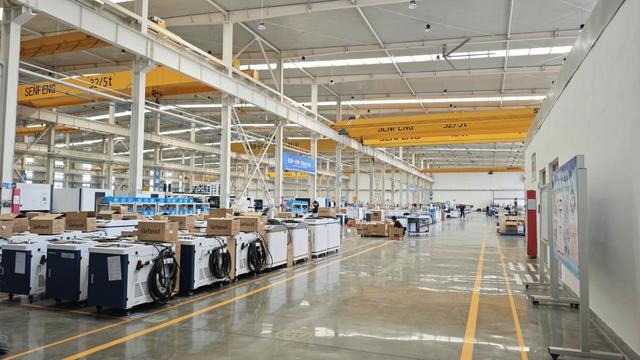
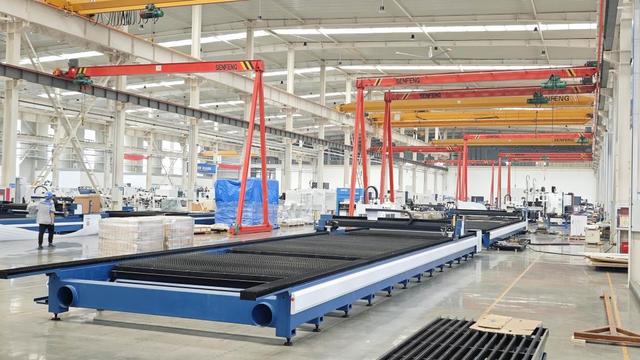
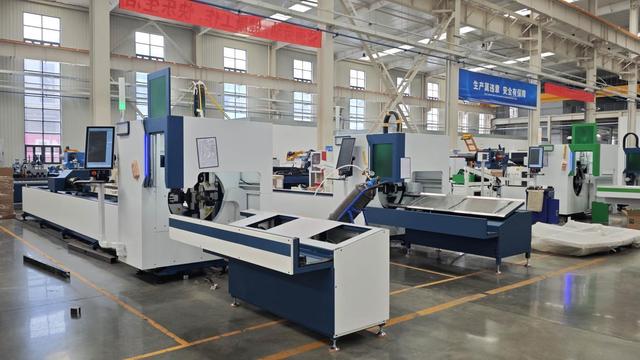
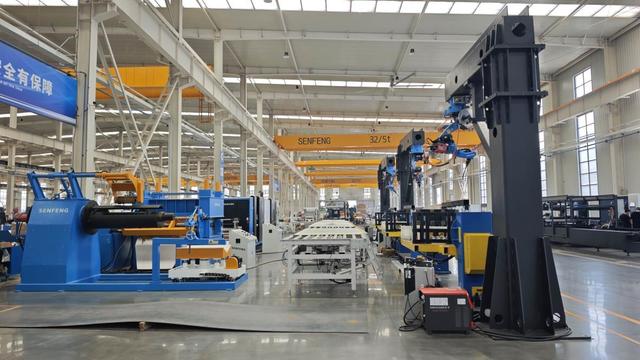
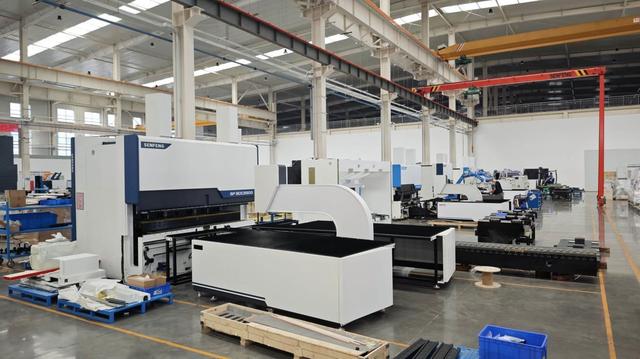
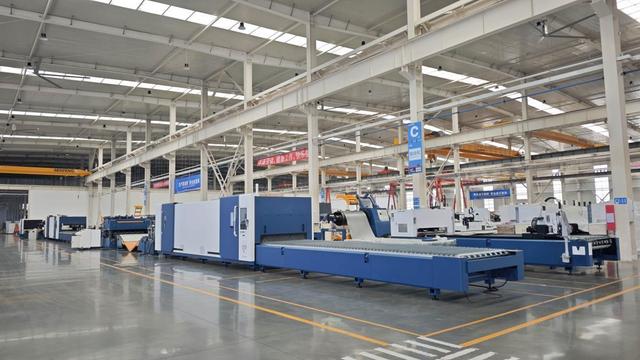
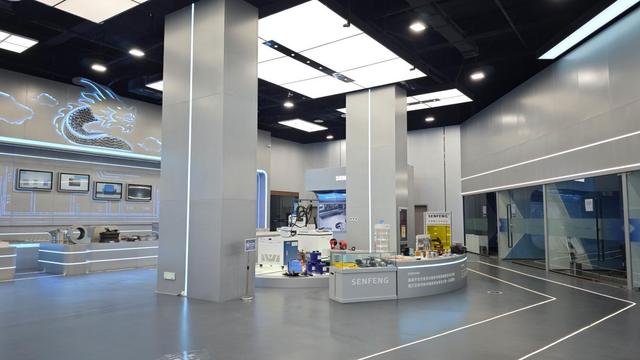
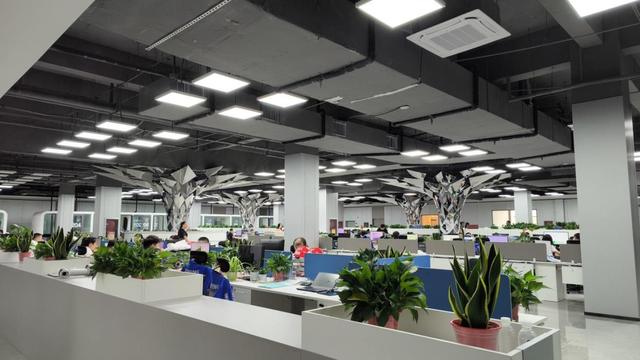
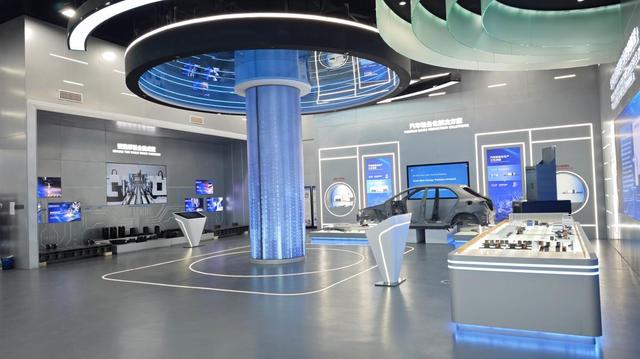
How companies worldwide optimize their manufacturing environments using Datum Machine's equipment configurations.
For sheet metal job shops in highly competitive markets, raw speed and minimal setup time are critical. Deploying a 6kW dual-table fiber laser cutter allows operators to cut diverse batches (mild steel, aluminum, copper) utilizing automatic nesting software. Fast material exchanges allow workshops to manage short lead times effectively.
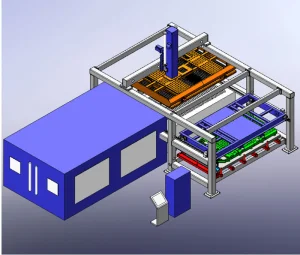
With skilled labor challenges impacting many markets, European structural fabrication shops integrate fully automated loading and unloading storage systems. Datum Machine's automated production lines enable cells to run unmanned during evening shifts, keeping operations running continuously.
Heavy agricultural equipment producers must slice thick structural sections with high reliability. Using our 20kW beveling cutting systems, operators process thick structural plates with weld-ready edges directly from the cutting bed, bypassing secondary beveling stages.
Our engineering support team clarifies technical questions regarding fiber optics, structural processing, and mechanical automation.
Fiber lasers offer significant efficiency improvements over older CO2 technologies. They deliver up to 3x higher wall-plug energy efficiency, requiring less electrical energy to produce the same beam power. The shorter wavelength of fiber lasers (typically 1.06 microns) is absorbed more readily by metals, resulting in cutting speeds that are 2 to 4 times faster on thin-to-medium-thickness sheets. Furthermore, fiber lasers eliminate the need for delicate internal mirrors or laser gas mixtures, substantially lowering maintenance costs.
Integrated servo-driven unloading removes manual handling bottlenecks from the cutting cycle. By automating material loading and unloading, the laser cutter can run continuously, minimizing idle time. The precise positioning of the servo motors ensures finished parts are stacked safely without scratching, while integrated sensor systems monitor the flow to protect both operators and machinery.
Under high acceleration, even small mechanical deviations can lead to cutting errors or rough edges. Implementing high-grade linear guides, such as HIWIN components, ensures smooth linear movement and high load capacity. This maintains path accuracy down to 0.02-0.03mm, even when operating at speeds over 100 meters per minute.
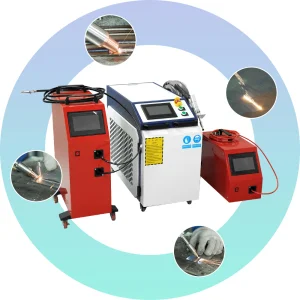
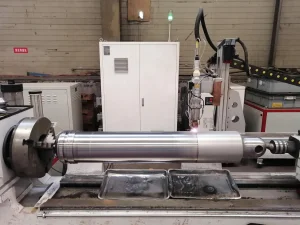
Laser cladding is used to rebuild worn metal surfaces, apply anti-corrosive overlays, or improve thermal resistance. Unlike traditional arc welding, which can cause significant thermal distortion, the precise heat control of laser cladding creates a minimal heat-affected zone. This makes it ideal for repairing high-value components like turbine blades, hydraulic shafts, and drill strings.
All machinery is wrapped in heavy anti-corrosion barrier packaging, sealed, and secured with structural steel tie-downs inside sea containers. Heavy-duty electronic components and optical modules are isolated from moisture and vibration. We also provide comprehensive documentation, certifications, and operational manuals to facilitate customs clearance at destination ports.
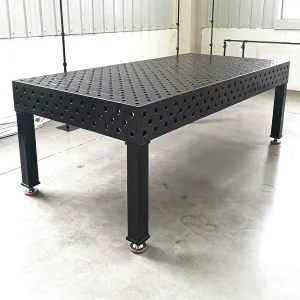
Full catalog offerings including heavy-duty sheet processing tables, welding systems, and custom fabrications.