Datum Machine
Datum Machine
Datum Machine
Explore our elite selection of industrial CNC laser cutters, cladding systems, and custom fabrication machinery engineered for high-capacity workflows.
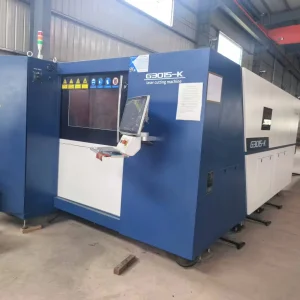
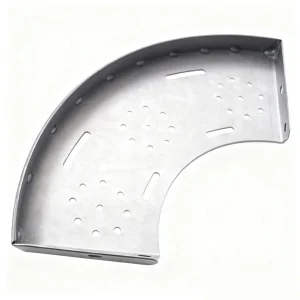
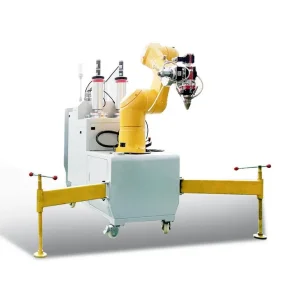
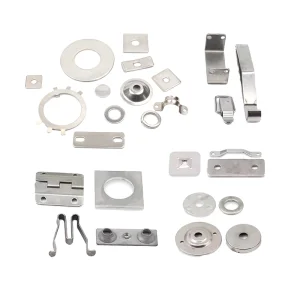
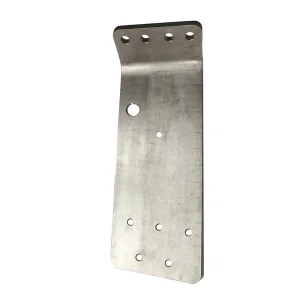
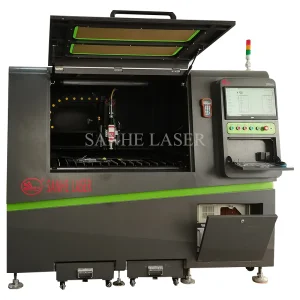
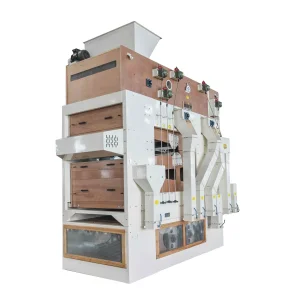
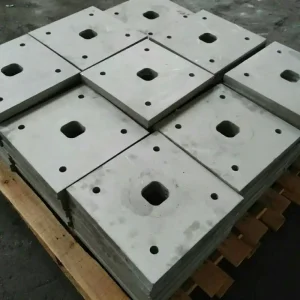
Understanding the transition from traditional processing methods to high-speed thermal and CNC cutting structures.
In the modern manufacturing paradigm, the term high-throughput cutting represents more than simple velocity. It encapsulates the convergence of raw cutting speed, automated material loading, smart nesting efficiency, and minimal downtime. Across major industrial hubs in North America, the European Union, and East Asia, sectors like automotive, aerospace, structural engineering, and heavy machinery are systematically phasing out legacy mechanical punch presses and slow-moving CO2 lasers. Instead, they are integrating fiber laser systems characterized by shorter wavelengths (1.07 microns), which yield absorption rates up to three times higher than their older gas-discharge counterparts.
This rapid shift is driven by the demand for OEE (Overall Equipment Effectiveness) optimization. Industrial operations are no longer content with standalone tools; they require entire fabrication ecosystems where automated storage towers feed gantry machines continuously. The global industrial sector now views cutting throughput as the decisive bottleneck in production lines—accelerating this phase directly increases downstream throughput, reducing lead times and unlocking substantial profitability.
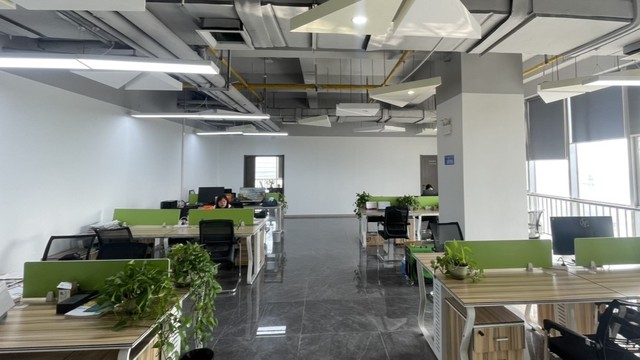
Evaluating the leading innovators providing solutions that balance precision, speed, and durability on a global scale.
Global pioneer in solid-state laser physics. Known for TruLaser series featuring active speed control and automatic nozzle changers, setting benchmarks for European engineering.
Renowned for Bystar Fiber configurations and high-power setups (up to 30kW). Excel in automated material storage systems and intuitive CAD/CAM interfaces.
A leading specialist in high-performance automation laser cutting systems, smart manufacturing equipment, and integrated CNC lines for automotive, structural fabrication, and agricultural machinery.
Offers patented ENSIS technology that alters the laser beam profile based on material thickness. Exceptional reliability in variable-batch metal processing.
Distinguished by multi-axis 3D laser systems and intelligent automation setups, maximizing processing velocity for complex structural geometries.
Integrator of fiber laser cutting head designs with automated panel folding lines. Key supplier for smart fabrication facilities globally.
Offers Platino and Laser Genius architectures combining linear motor drives with highly responsive carbon-fiber gantries for high-acceleration profiles.
Features Phoenix and Electra machines, utilizing adaptive control software to dynamically regulate laser parameters during thick plate processing.
One of the largest global manufacturing footprints. Delivers multi-kilowatt fiber systems widely deployed in structural metal shops.
A detailed look at how Shanghai Datum Machine integrates intelligent control, mechanical stability, and manufacturing scale.
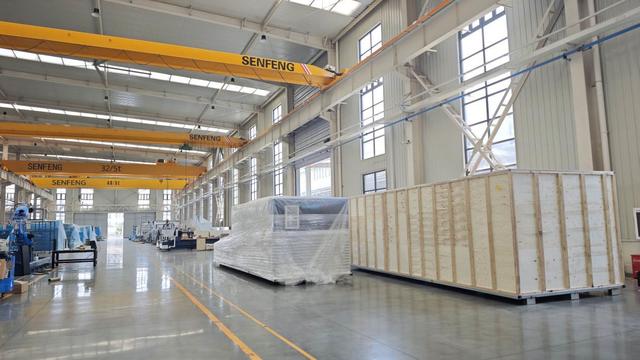
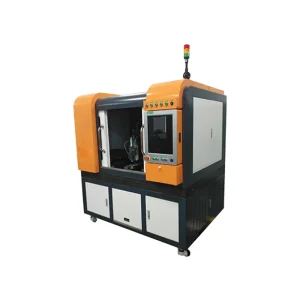
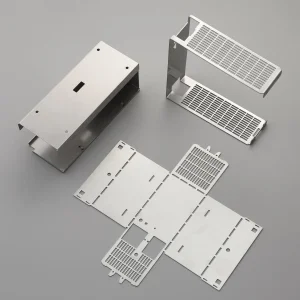
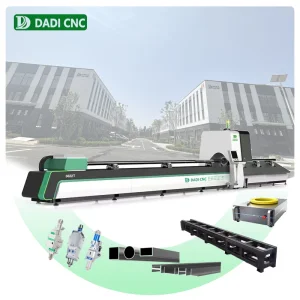
Shanghai Datum Machine Co., Ltd. is a professional China automation laser cutting manufacturer specializing in fiber laser cutting systems, CNC cutting solutions, and smart manufacturing equipment for global industrial customers. With extensive experience in advanced manufacturing technologies, Datum is dedicated to providing high-performance automation solutions that improve productivity, precision, and operational efficiency across a wide range of industries.
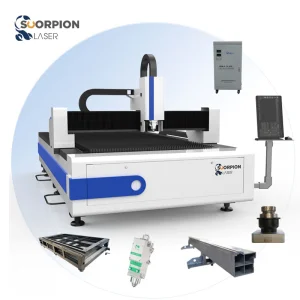
The company's comprehensive product portfolio includes:
Designed to meet the evolving demands of modern factories, Datum's equipment delivers exceptional cutting accuracy, high-speed performance, reduced material waste, and reliable long-term operation.
At Datum Machine, innovation is at the center of the development strategy. The engineering team continuously integrates intelligent control technologies, automation systems, and advanced manufacturing concepts to help customers build more efficient and flexible production environments. From standalone laser cutting equipment to fully integrated smart factory solutions, they provide comprehensive support tailored to each customer's specific production requirements.
Quality and reliability are fundamental to the manufacturing philosophy. Datum maintains strict quality control procedures throughout design, production, testing, and delivery to ensure every system meets international performance and safety standards. Their modern manufacturing facilities and experienced technical team enable them to provide consistent quality and dependable service for customers worldwide.
Serving clients across automotive, metal fabrication, machinery manufacturing, construction, aerospace, electronics, and industrial processing sectors, Shanghai Datum Machine Co., Ltd. has established a strong reputation for advanced technology, customized solutions, and responsive customer support.
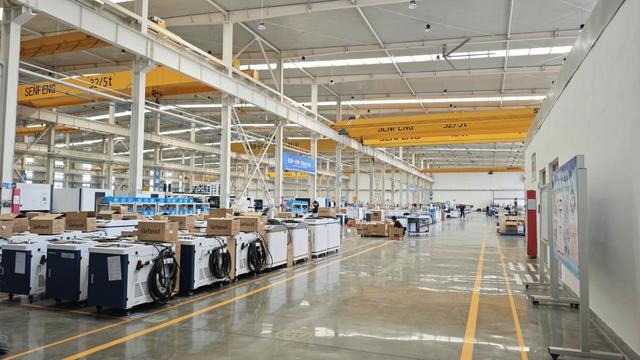
Why sourcing high-throughput cutting technology from China optimizes both capital expenditure (CAPEX) and operating costs (OPEX).
The global industrial community increasingly relies on China-based advanced manufacturing clusters to optimize procurement and technical execution. The structural efficiencies of factories like Shanghai Datum Machine Co., Ltd. stem from deep supply chain integration and localized innovation ecosystems.
China's industrial laser clusters bring together optical fiber, laser source (Raycus, Maxphotonics), gantry castings, precision linear rails, and software houses in close geographic proximity. This reduces sourcing lead times and lowers component shipping costs.
By optimizing assembly methods and scaling raw material purchasing, Chinese factories offer fiber laser cutters with high dynamic specifications at a fraction of the cost of traditional European alternatives, enabling faster return on investment (ROI).
With massive engineering workforces, manufacturers like Shanghai Datum can quickly design, simulate, and build custom robotic cells, dual-pallet shuttles, and special gantry systems to match specific plant floor configurations.
Furthermore, Chinese factories have systematically upgraded their quality control standards. Precision laser interferometers, dynamic gantry balancing systems, and multi-day load testing cycles are standard across modern assembly bays. This ensures that when a system is installed in North America, Europe, or Southeast Asia, it operates reliably under continuous multi-shift production conditions.
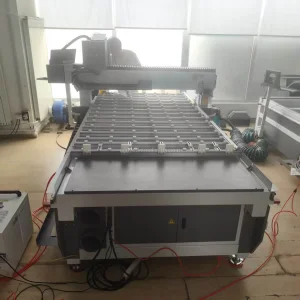
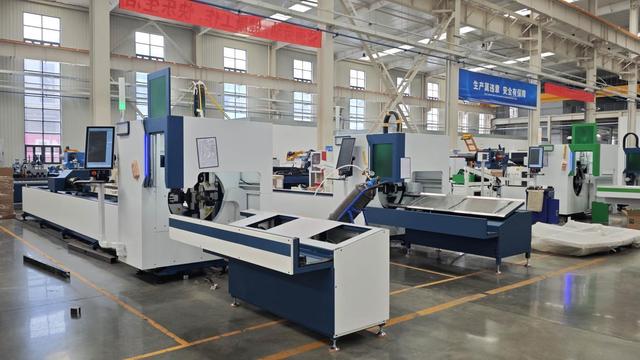
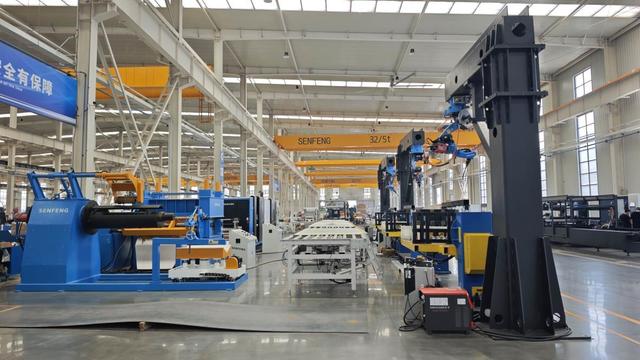
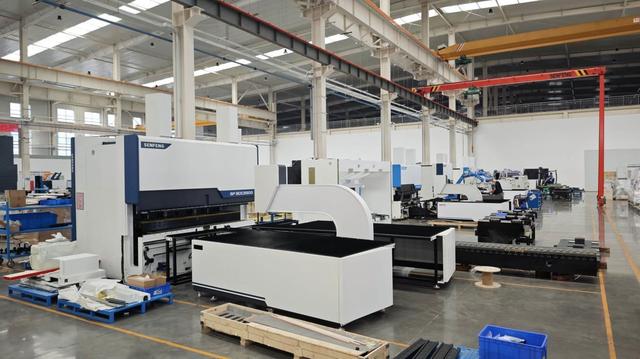
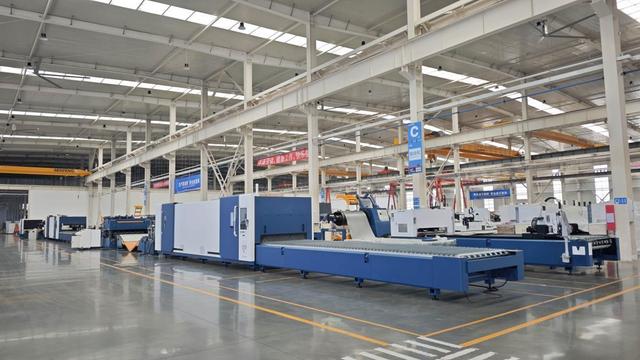
A visual showcase of our modern engineering facilities, high-capacity fabrication machinery, and quality control systems.
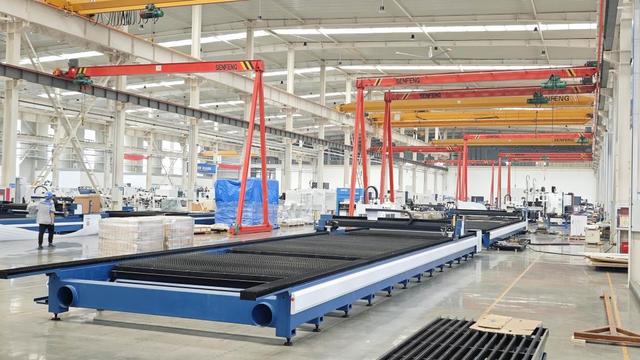
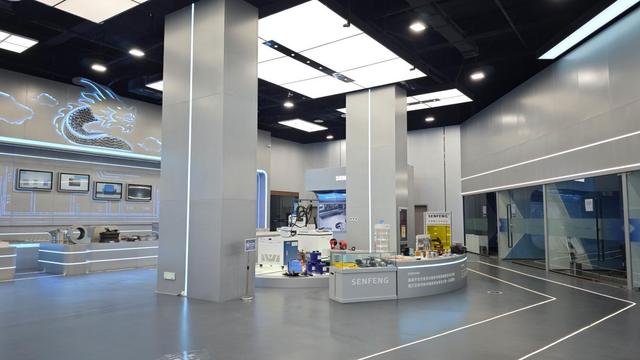
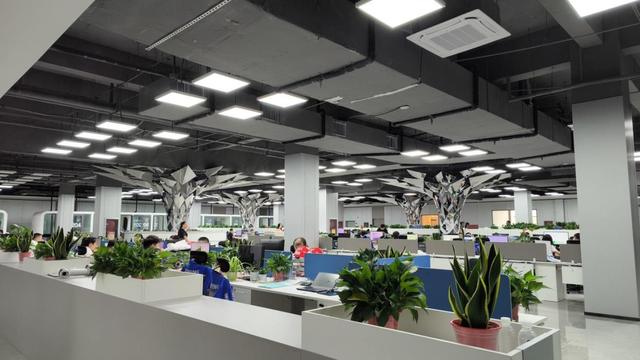
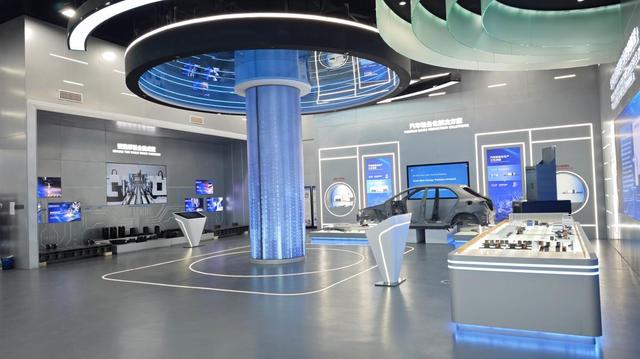
Analyzing how high-throughput cutting technology solves specific challenges in key sectors.
In the automotive sector, high throughput must be paired with low heat-affected zone (HAZ) parameters to preserve the mechanical strength of high-strength steels (UHSS). Fiber lasers coupled with fast-pallet shuttle units allow parts like structural pillars, battery trays, and dash structures to be cut continuously. Automated material loader arms ensure raw sheets are placed on the cutting bed within seconds of the prior run's completion, reducing overall cycle times.
Sectors producing heavy equipment—such as cranes, excavators, and agricultural tools like seed cleaners—require cutting thick structural plates of carbon steel. Here, high-power fiber lasers (15kW to 30kW) using oxygen-assisted and nitrogen-assisted gas dynamics deliver clean cuts that eliminate the need for secondary edge finishing, streamlining downstream welding and paint preparation.
Job shops handle a wide range of materials and thicknesses daily. A high-throughput cutting machine in this context must offer rapid setup, automatic nozzle cleaning, focal position regulation, and advanced nesting software. This allows operators to quickly switch between thin aluminum sheets and thick stainless plates with minimal downtime, maximizing daily processing volume.
Industrial aesthetics, electronic displays, and custom consumer items require specialized high-throughput processing. Systems like 3D glass laser texturing equipment create frosted and custom surface finishes for architectural glass panels and consumer interfaces at scale, providing high production speeds without risk of thermal stress fractures.
Evaluating the rise of ultra-high-power systems, intelligent edge control, and key checkpoints for sourcing committees.
The cutting technology sector continues to transition toward higher wattages. While 6kW to 12kW setups remain standard for general metal fabrication, 20kW to 40kW fiber lasers are increasingly used to process thick plates quickly. In addition, advanced beam shaping technology dynamically changes the laser beam profile from a concentrated point for thin sheets to a larger ring pattern for thick sections, ensuring smooth edges across all materials.
Modern manufacturing plants are increasingly combining subtractive cutting with additive technologies. Heavy machinery, railway, and automotive plants utilize 6000W Smart Laser Cladding Systems to apply wear-resistant alloy coatings to components directly on the production line, reducing material costs and extending product life.
High-throughput machines are no longer isolated systems. They now integrate directly with factory MES and ERP systems. In these environments, automated storage towers, loading robots, and cutting tables communicate in real time, automatically adjusting parameters and schedules to minimize downtime and optimize sheet utilization.
When selecting a manufacturing partner, sourcing committees should evaluate more than just standard machine specifications:
Expert technical answers to common questions about high-throughput laser cutting and automation equipment.
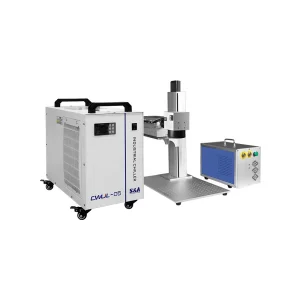
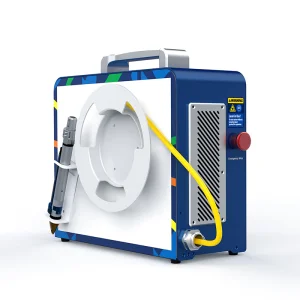
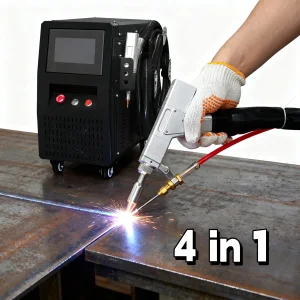
Select high-performance fiber systems, engraving equipment, and portable welding components for flexible factory floor integration.