Datum Machine
Datum Machine
Datum Machine
Explore our high-performance automated cutting, welding, and cleaning machines configured for industrial shop floors.
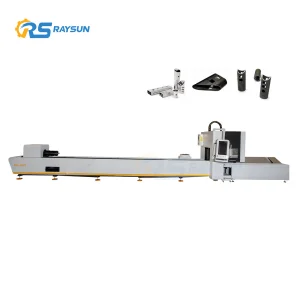
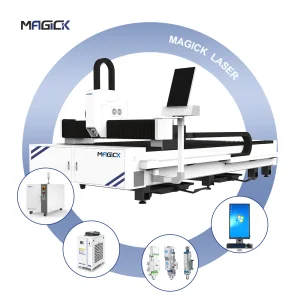
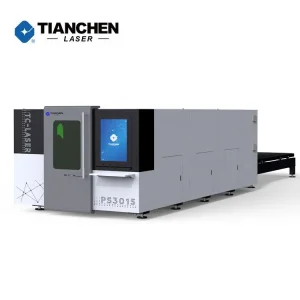
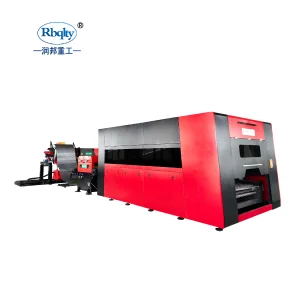
An in-depth analysis of custom OEM solutions, supply chain parameters, and laser technologies driving smart manufacturing.
In the contemporary manufacturing landscape, space optimization, footprint efficiency, and beam quality have emerged as critical drivers of competitive advantage. The global transition toward Industry 4.0 demands that laser systems migrate from bulky, isolated structural installations into modular, integrated, and highly agile systems. Consequently, the procurement of custom OEM compact industrial laser systems has shifted from a specialty design choice to an operational mandate for smart factory systems globally.
Shanghai Datum Machine Co., Ltd. stands at the forefront of this industrial transformation. As a leading China automation laser cutting manufacturer, we specialize in high-end fiber laser cutting systems, CNC cutting solutions, and smart manufacturing equipment. Our engineering expertise addresses the fundamental challenges of modern production lines: minimizing the footprint of mechanical gantries while scaling up optical power outputs, laser stability, and cross-platform communication protocols.
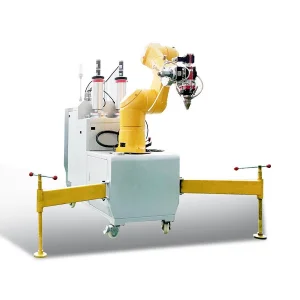
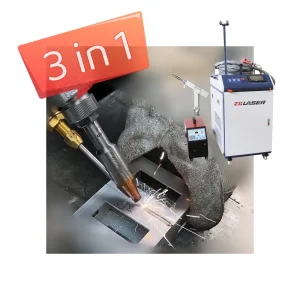
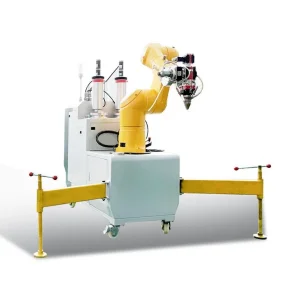
Whether deploying standalone 3-in-1 multi-functional cleaning, welding, and cutting systems, or custom-engineering a 6-axis robotic arm cladding configuration, Shanghai Datum Machine combines advanced optoelectronics with rugged mechanical stability. By prioritizing rigorous quality controls and tailored OEM workflows, we enable global Tier 1 suppliers to achieve maximum capital expenditure (CapEx) efficiency and unprecedented operational throughput.
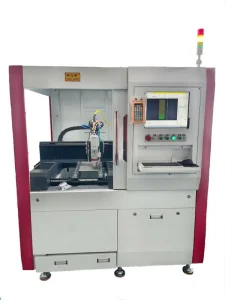
Modern cleanrooms and factory floors cannot afford to waste space. Custom compact systems offer footprint reductions up to 45% over conventional laser systems, freeing up floor space for downstream automation and logistical channels without sacrificing mechanical stability.
Every industrial application presents unique wavelength, beam divergence, and pulse modulation requirements. We engineer tailored optical assemblies, incorporating both single-mode and multi-mode fiber engines, ensuring optimal performance for specific absorption rates of diverse target materials.
Modern factories rely on diverse automation ecosystems. Our systems support real-time network communications—such as EtherCAT, PROFINET, and Modbus—allowing for immediate handshakes with host PLCs, CNC units, and industrial robotics platforms.
Addressing the critical engineering demands, system compliance, and purchasing parameters of Tier 1 manufacturing buyers.
When procurement officers and technical directors select a laser supplier, they evaluate metrics far beyond the basic list price. The total cost of ownership (TCO) rules decisions in sectors like automotive fabrication and high-precision electronics manufacturing. These critical variables include:
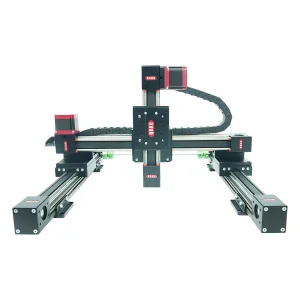
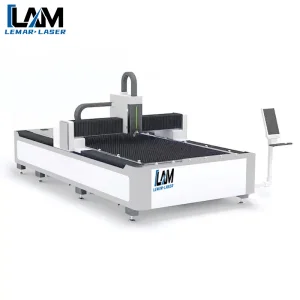
Standard off-the-shelf industrial laser machines often fail to fit within specialized production environments. A custom OEM strategy allows manufacturers to modify structural dimensioning, mount lasers onto robotic assemblies, or adjust gantry stroke dimensions. By designing from the ground up, we minimize space requirements and configure controls for specific software systems.
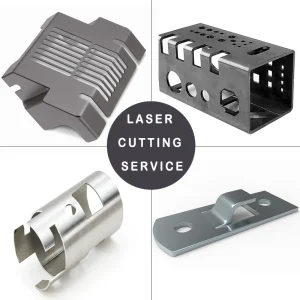
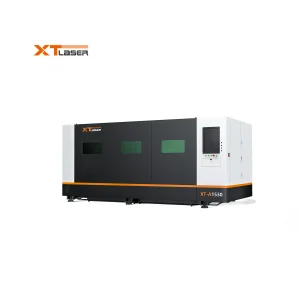
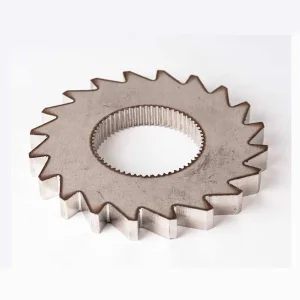
At Shanghai Datum Machine Co., Ltd., our OEM process begins with a comprehensive review of the customer's technical specification sheets. We evaluate material geometries, production cycle times, and interface restrictions to deliver an optimized optomechanical design. From customized metal stamping fabrication components to fully enclosed automated coil-fed cutting systems, our capabilities ensure that every machine integrates seamlessly into the target industrial process.
The convergence of multi-wavelength diode arrays, predictive thermal tracking, and unified kinetic controls.
The industrial laser industry is transitioning from simple material processing to intelligent, adaptive manufacturing. The future technical roadmap relies on several key developmental paths:
To process reflective metals (such as copper alloys, silver, and pure aluminum), next-generation fiber systems utilize optimized optical layouts. Multi-clad optical fibers combined with high-brightness pumps minimize back-reflection risks, allowing continuous high-speed cutting and welding without optical damage.
Future systems will integrate optical sensors directly within the laser cutting or welding head. By monitoring key process variables—such as melt pool temperature profiles, emission spectra, and back-reflection intensities—the machine controller can adjust output power, focus location, and feed rates in real time. This ensures reliable quality even with varying material batches.
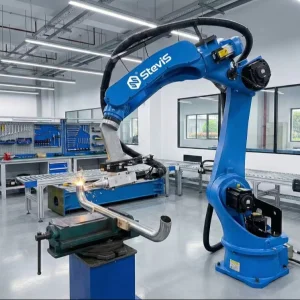
Standard Cartesian CNC frames are increasingly complemented by multi-axis articulated robots. Incorporating a 6-axis industrial robot arm with smart optical tracking allows manufacturers to cut, weld, or clad complex 3D profiles. This makes it a key tool for electric vehicle battery assemblies and aerospace components.
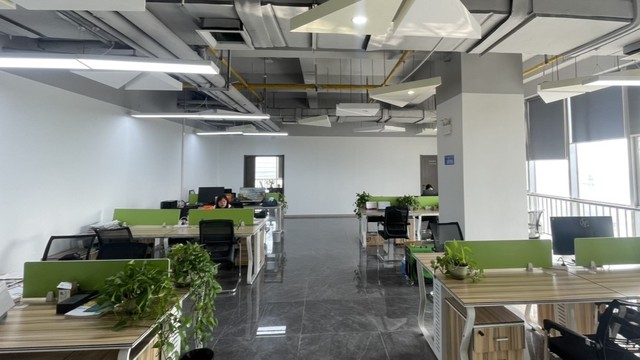
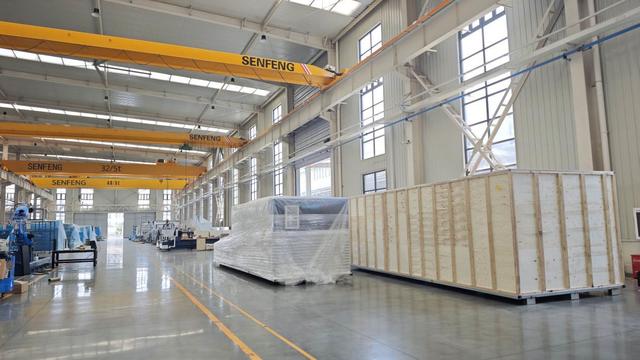
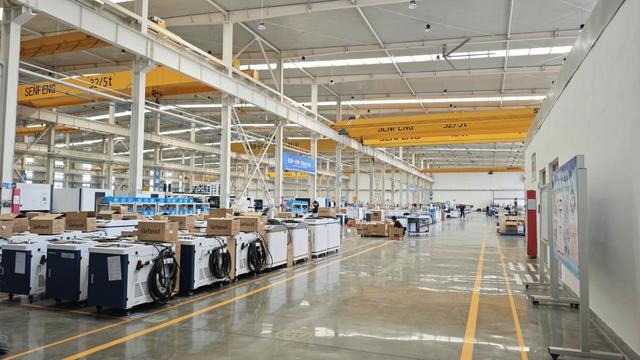
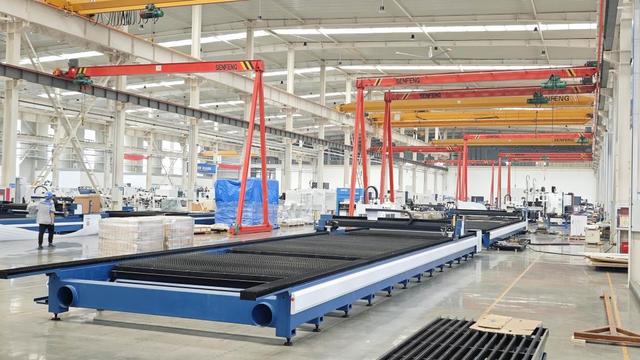
Step inside Shanghai Datum Machine Co., Ltd. Discover our modern production lines, testing laboratories, and engineering resources.
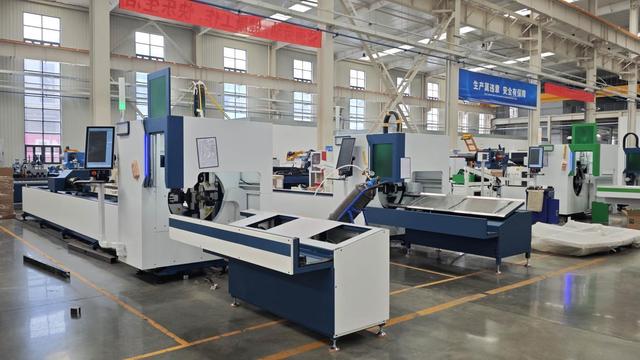
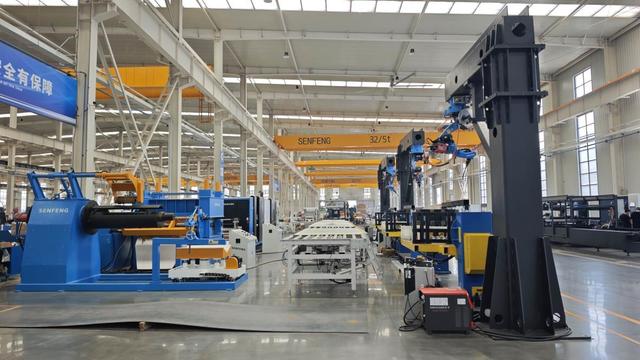
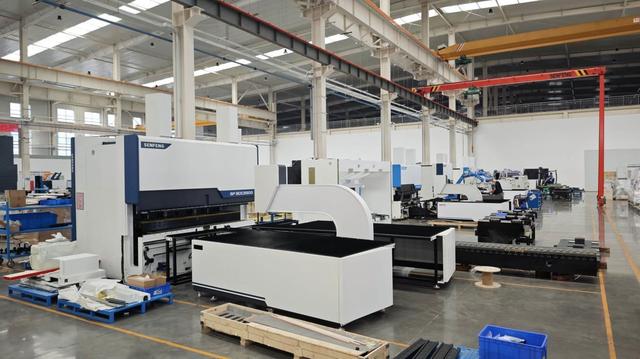
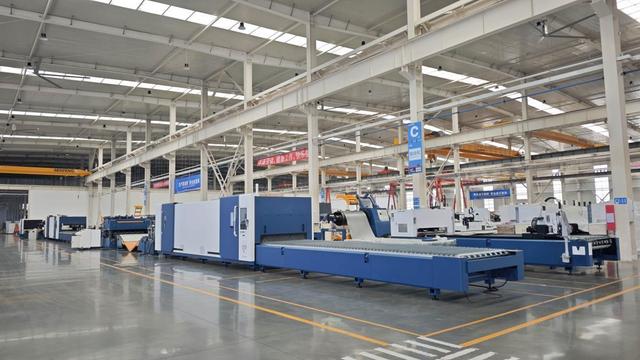
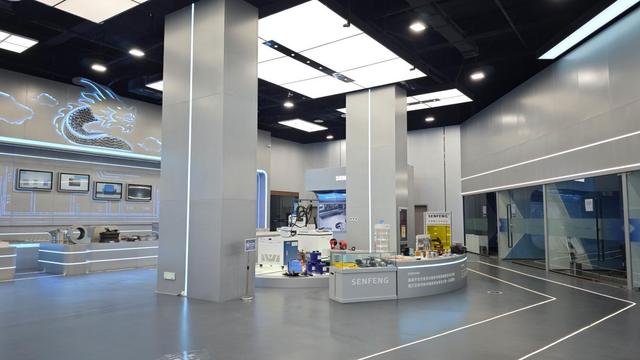
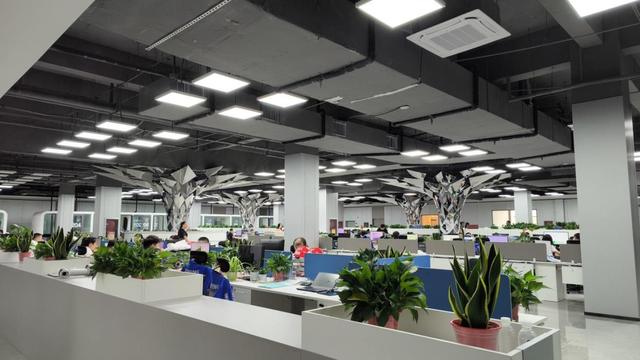
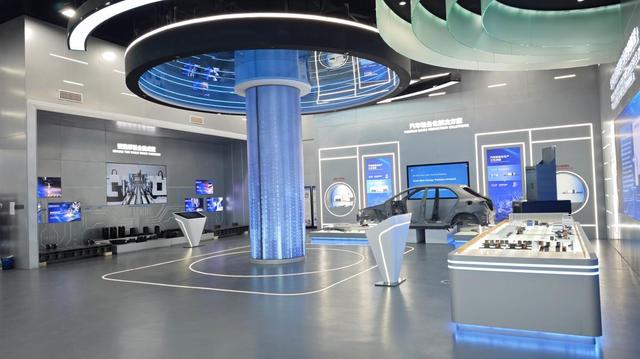
Ensuring complete peace of mind with international certifications, optical protection compliance, and local support networks.
Deploying high-power lasers internationally requires strict adherence to regional safety and environmental rules. Shanghai Datum Machine ensures that every custom laser configuration complies with global standards, including CE (European Conformity) and FDA (U.S. Food and Drug Administration) Class IV classifications.
Safety features are integrated into the core engineering of our machines. Enclosed system variants incorporate certified OD6+ laser protection glass windows, dual-channel interlocks, and active optical back-reflection sensors. This prevents accidental exposure and protects adjacent personnel from stray scattering paths during operation.
Additionally, our global service partners provide responsive post-sale assistance, on-site commissioning, operator training, and supply chain management for replacement optical assemblies. This support structure helps minimize machine downtime and guarantees consistent performance year after year.
Detailed engineering answers to help you navigate integration variables, optical parameters, and maintenance cycles.
Q1: What are the primary advantages of a 3-in-1 multi-functional laser system over standalone machines?
A1: 3-in-1 systems integrate cleaning, welding, and cutting capabilities into a single compact device. This layout minimizes floor space requirements and capital costs. Handheld configurations allow operators to change optical nozzles in seconds, switching from rust removal to sheet metal welding and template cutting within a unified workstation.
Q2: How does Shanghai Datum Machine guarantee ±0.01mm positioning precision in industrial environments?
A2: Our systems feature heavy-duty gantry frames that undergo stress-relief heat treatment to prevent deformation. High-precision ball screws and linear guides, paired with high-resolution encoders, provide reliable positioning accuracy. Our calibration protocols utilize laser interferometers to verify geometric precision before shipping.
Q3: Can these systems be integrated into automated production lines using third-party robotics?
A3: Yes. Our laser units are designed for integration with major robotic brands, including KUKA, ABB, Fanuc, and Yaskawa. We use industrial bus communication protocols (such as EtherCAT and Profinet) to enable real-time coordination with robotic controllers for 3D cutting, cladding, or welding workflows.
Q4: What maintenance is required for the optical fiber path and collimating lenses?
A4: Our laser path is fully sealed to prevent dust contamination. The outer protective window requires periodic inspection and cleaning with optical-grade solvent. Modern cutting and welding heads feature swap-out protection cartridges, allowing operators to change dirty lenses quickly without exposing the main collimation chamber to airborne particulates.
Q5: How does the hybrid CO2/Fiber system operate, and what materials does it process?
A5: Hybrid systems integrate both optical paths into a single enclosure. The fiber source excels at cutting metallic components with high absorption efficiency, while the CO2 source processes non-metals like polymers, acrylics, and organic composites. This dual configuration makes it ideal for electronics manufacturers processing complex multi-material assemblies.
Q6: What cooling systems are required for high-duty-cycle compact laser systems?
A6: Compact industrial laser systems require active dual-temperature water chillers. The primary loop cools the laser source to maintain wavelength stability, while the secondary loop regulates the optical processing head to prevent thermal lensing. Integrated sensors continuously monitor flow rate and water temperature to ensure stable performance.
Explore our industrial automation units, smart cladding systems, and heavy-duty sheet processing machinery.