Datum Machine
Datum Machine
Datum Machine
Discover Datum Machine's top-tier fiber laser cutters, gantry systems, and sheet metal fabrication automation products engineered to optimize modern production throughput.
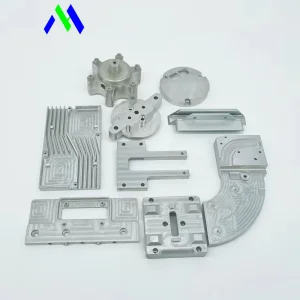
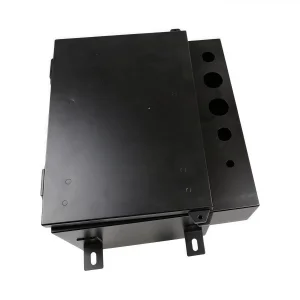
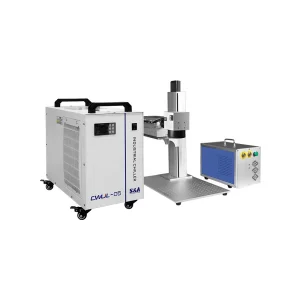
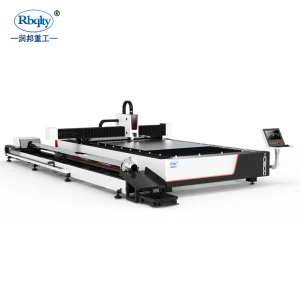
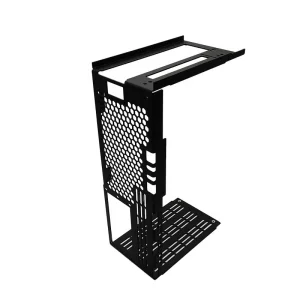
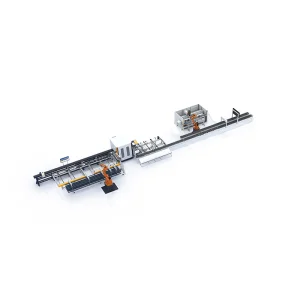
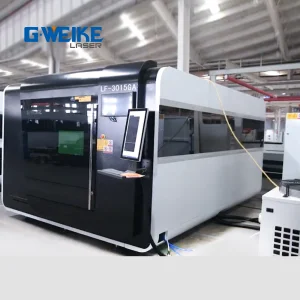
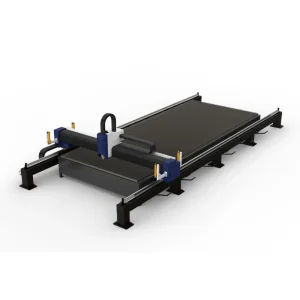
The transition toward smart factory execution (Industry 4.0) has placed a heavy burden on processing speed, positioning accuracy, and safety constraints. Within sheet metal processing centers, fiber lasers have evolved dramatically, scaling from 1kW systems to ultra-high-power 20kW to 40kW configurations. This advancement allows cutting heads to slice through thick metals at lightning speeds. However, this massive increase in pure cutting velocity has exposed a significant upstream and downstream logistical bottleneck: raw material loading and post-cut part unloading.
Historically, manual handling of cut parts has been the status quo. Heavy sheets of carbon steel, stainless steel, or aluminum are separated from the skeleton skeleton frame by hand, using pry bars and cranes. This human-centric workflow introduces extreme hazards, physical fatigue, and unpredictable delays. Modern manufacturing economics dictate that a laser machine's beam-on time must exceed 80-90% to maintain a solid ROI. If a high-power CNC laser cutter sits idle waiting for operator cleanup, the capital equipment's structural profitability is severely compromised. Consequently, integrated automated laser unloading technology has pivoted from a luxury accessory to an absolute baseline operational necessity in major industrial regions worldwide, including Europe, North America, and Eastern Asia.
Today's global landscape shows distinct regional trends. In the European Union, stringent health and safety protocols—specifically enforced by the Machinery Directive and local workplace compensation boards—virtually mandate mechanical assistance for heavy sheet lifting. In North America, the driver is predominantly the systemic deficit of skilled manufacturing labor, pushing fabricators to rely on automation to run "lights-out" shifts. Meanwhile, high-volume production hubs in China and wider Asian markets focus on vertical integration, where fully automated laser production lines, encompassing loading, cutting, unloading, and subsequent bending operations, are implemented to achieve unmatched scale economies.
Established as an industry leader in engineering and custom industrial integration, Shanghai Datum Machine Co., Ltd. stands at the forefront of China’s high-tech manufacturing sector. We specialize in the conceptualization, design, manufacture, and deployment of fiber laser cutting systems, heavy-duty CNC gantry cutting solutions, and fully integrated automated loading and unloading technologies. Our core corporate mission is to guide global industrial manufacturers away from isolated, discontinuous machinery setups and transition them into cohesive, smart-factory environments.
Our comprehensive portfolio ranges from stand-alone fiber laser cutting systems to automated loading and unloading lifters, laser production lines, and customized material handling structures. By integrating sophisticated CNC control boards (such as the Cypcut ecosystem) with advanced mechanical kinematics, we deliver machinery that optimizes yield rates, curtails energy usage, and safeguards material integrity. At Shanghai Datum Machine, we don't just supply machines; we provide engineered processes that enhance operational longevity and ensure our clients stay ahead of their competition.
Our systems incorporate top-tier structural components, customized dynamic gantries, and highly precise servo drives to guarantee smooth mechanical motions under high-payload cycles.
We leverage cutting-edge industrial software to ensure that loading and unloading routines sync seamlessly with laser processing parameters, eliminating programming delays.
All automated machinery and safety features undergo strict internal and external evaluation routines, holding full CE certification to guarantee compliance in global environments.
Automated laser unloading systems rely on highly structured physical components and software routines. Standard systems consist of a rugged bridge frame, a sorting crane, suction-cup arrays, magnetic separation devices, and intelligent part-sorting software. The overall workflow must be carefully calibrated to prevent scratching, collision, or material release faults.
The core picker mechanism is usually populated with an array of individual vacuum cups. Since laser-cut parts come in hundreds of shapes and sizes, a static vacuum grid is insufficient. Modern systems utilize individually controlled solenoid valves for each suction zone or even individual cups. The control software reads the CAD layout (DXF/DWG format), analyzes the nesting layout, and automatically activates only the vacuum cups that match the geometric profile of the specific part being lifted. This ensures balanced force distribution and prevents the picker from picking up the surrounding scrap skeleton.
When lifting metal sheets, especially thin steel or oiled materials, magnetic attraction and capillary action often cause multiple sheets to stick together. To avoid feeding double sheets into subsequent bending machines, unloading systems use magnetic sheet separators (fanners) and double-sheet detection sensors (inductive or ultrasonic). If a double-sheet state is detected, the machine executes an automatic shaking routine to shed the extra sheet before continuing the unloading cycle.
Depending on the production volume and part diversity, manufacturers choose between two main structural configurations:
| System Type | Primary Mechanical Mechanism | Ideal Application Profile | Cycle Speed (Average) | Precision Sorting Capability |
|---|---|---|---|---|
| Comb-Fork/Rake Unloader | Dual-layer pneumatic steel rakes | High-volume structural steel sheets | 35 seconds per full sheet | Low (Moves whole nest/skeleton) |
| Cartesian Picker (Single Pod) | CNC Multi-axis frame with vacuum cups | High-mix, low-volume precision parts | 6-12 seconds per part sorting | High (Sorts parts to dedicated bins) |
| Robotic Sorting Arm | 6-Axis articulated industrial robot | Complex nesting with variable orientations | 8-15 seconds per part | Extremely High (Rotates & stacks parts) |
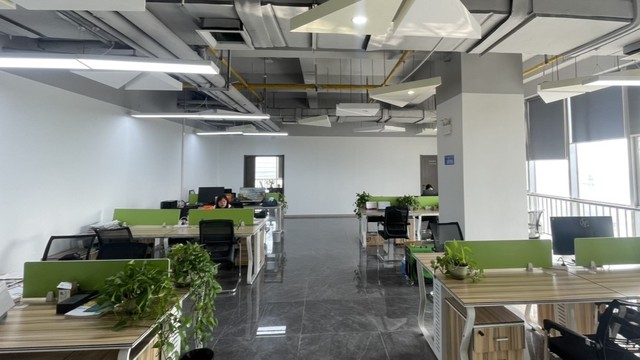
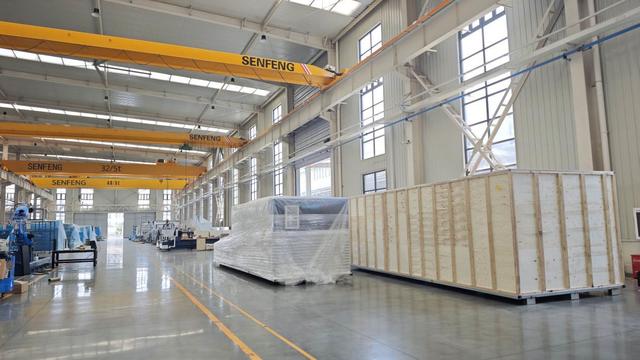
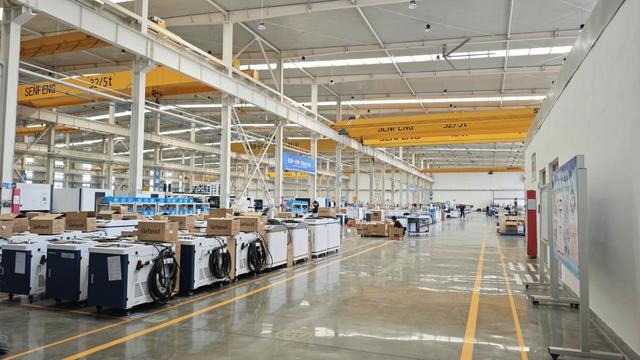
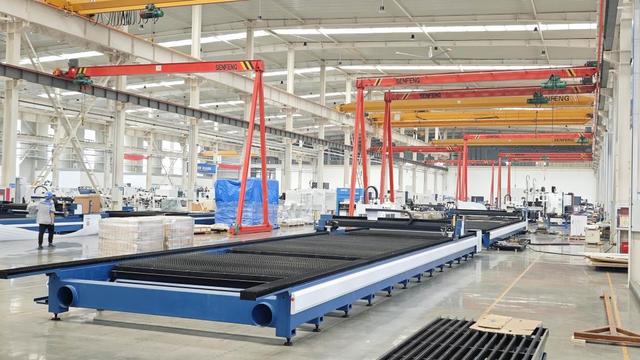
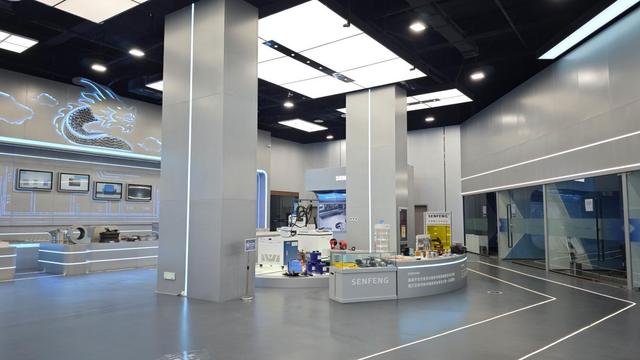
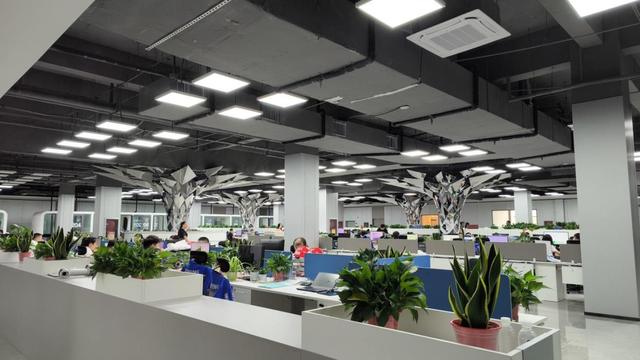
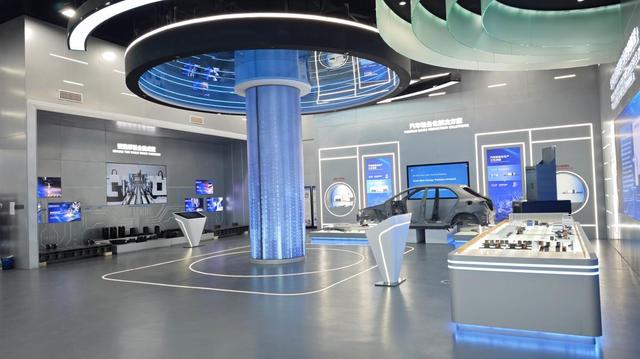
A visual showcase of our industrial manufacturing facilities, engineering assembly lines, and high-performance equipment in operation.
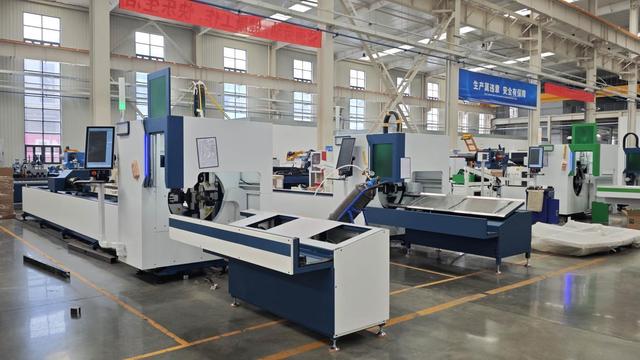
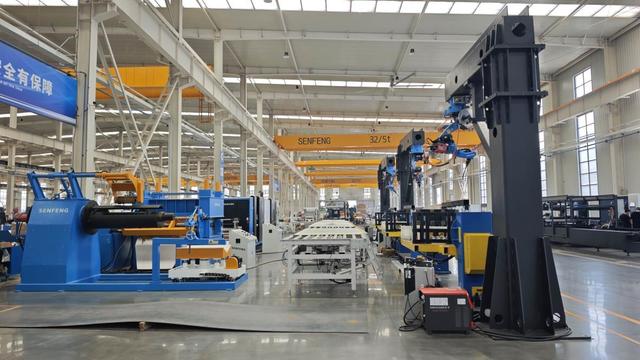
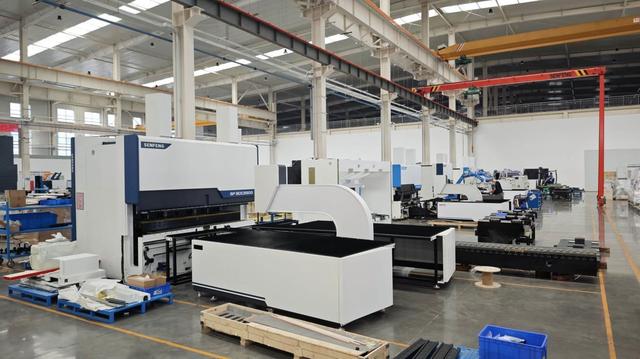
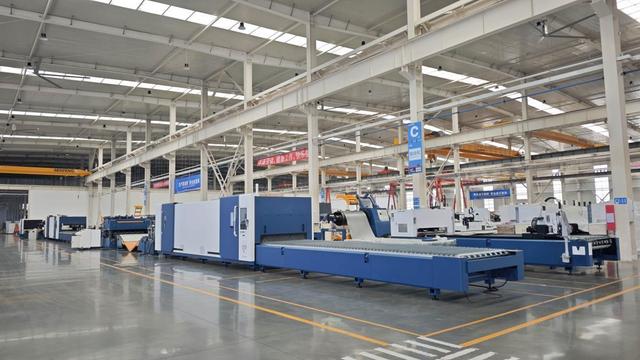
CE Certification is not just a regulatory stamp for marketing; it is a rigorous safety and quality framework designed to protect human operators and industrial facilities. For laser unloading technology, safety compliance is incredibly complex. These machines integrate mechanical motion, high-voltage electricity, pressurized pneumatic systems, and interact directly with high-power laser equipment. To meet CE safety standards, several directives must be met:
At Shanghai Datum Machine Co., Ltd., our engineering process incorporates CE compliance directly into the initial design phase. We construct our frame assemblies with high structural safety margins and integrate dual-channel safety relays. This ensures that if an operator breaches the safety boundary, the system executes an emergency stop in milliseconds, preventing catastrophic injury or equipment damage. This focus on engineering safety builds trust with global manufacturers who prioritize worker safety and regulatory compliance.
The deployment of automated laser unloading technology varies widely depending on localized manufacturing environments. To understand its practical value, we look at several case studies of how automated unloading solves specific production challenges:
In high-speed automotive stamping lines, laser-cut blanks must be fed into press lines without delay. In this environment, dynamic vacuum-assisted comb-fork unloading systems are used. The sheet metal parts are cut rapidly on high-power fiber laser beds, and the loader/unloader clears the bed in under 45 seconds, feeding a continuous stream of material to the press. This automated process minimizes buffer inventory and keeps the downstream stamping lines running at maximum capacity.
Electronics manufacturers handle thin-gauge materials like galvanized steel and aluminum, which are prone to cosmetic damage. Manual sorting often scratches the surface, leading to paint peeling or rejected parts. Our automated unloading systems use specialized suction cups made from non-marking materials like polyurethane or silicone, which lift parts vertically without sliding. This preserves the material finish and reduces post-fabrication finishing costs.
For agricultural and construction equipment manufacturing, parts are thick and heavy, often ranging from 10mm to 25mm steel plate. Manual handling of these parts is unsafe. Here, heavy-duty Cartesian gantry unloaders equipped with magnetic lifters are used. These magnetic heads generate powerful holding forces to lift heavy parts off the cutting bed and stack them on dedicated pallets, reducing physical strain on operators and preventing workplace accidents.
The next generation of laser unloading systems will move beyond fixed programming and transition to intelligent, self-learning networks. Key developments on our technology roadmap include:
Get clear, expert answers to common technical, operational, and safety questions about automated laser unloading technology.
Explore our heavy-duty CNC gantry systems, fully enclosed laser cutters, and professional tube processing machines built to handle challenging manufacturing demands.