Datum Machine
Datum Machine
Datum Machine
Explore our industrial-grade catalog featuring robust high-power cutting systems, handheld solutions, and custom CNC fiber laser workstations.
The global manufacturing sector is undergoing an unprecedented technological transition. At the heart of this industrial evolution is the replacement of conventional mechanical tooling with high-precision, automated photonics. Modern industrial factories demand processing solutions that exhibit high throughput, minimize waste, and offer dynamic processing adjustments without physical tool changeovers.
As a leading authority in laser systems engineering, Shanghai Datum Machine Co., Ltd. stands as a premier China automation laser cutting manufacturer, specializing in the design, development, and distribution of fiber laser systems, heavy-duty CNC systems, and automated production cells. Over years of focused engineering, we have consolidated critical production pipelines into highly integrated, CE-compliant, smart laser architectures. By integrating cutting-edge motion control systems, digital Cypcut software, and robust fiber optics, our technology empowers fabricators to scale their output while reducing total cost of ownership (TCO) across complex global networks.
Cutting Precision Limit
Energy Efficiency Increase
Ultra-High Power Range
CE Safety Certified
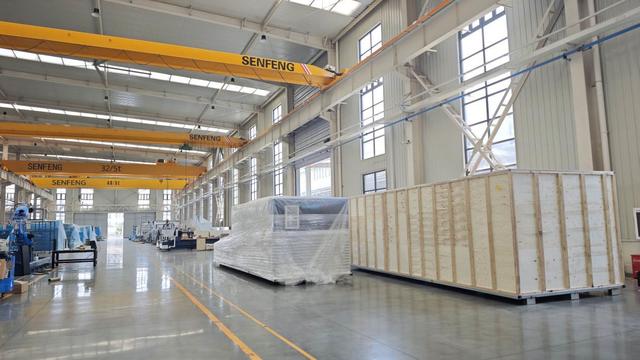
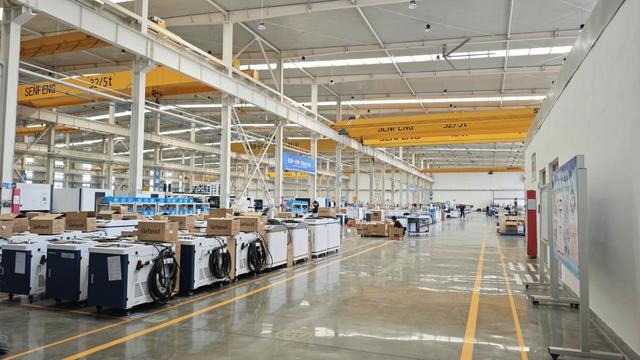
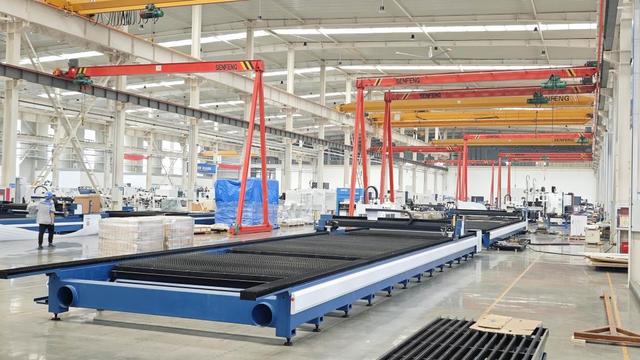
Our manufacturing philosophy revolves around continuous research and verified design compliance. In our modern manufacturing facilities, every system is subjected to strict structural stress testing, dynamic optical axis alignment, and rigorous quality check loops. Shanghai Datum's engineers integrate advanced motion guides (such as HIWIN high-precision systems) and digital intelligent controllers to manage high-speed machining without geometric distortion. We prioritize "Information Gain" in our technical documentation, sharing real engineering parameters and performance thresholds, ensuring procurement officers and mechanical designers have complete transparent engineering metrics for their system deployment.
Laser technology is no longer a niche tool for specialized laboratories; it has become the standard for processing heavy-duty structural alloys, thin-gauge electronics, and customized medical devices. Geographically, markets across North America, the European Union, and the Asia-Pacific region are seeing substantial surges in demand for laser-based welding, cutting, and surface treatment.
Industrial sectors like automotive assembly, aerospace structure processing, shipyards, and consumer electronics rely heavily on the thermal density that fiber lasers can achieve. By concentrating thousands of watts of optical energy into a spot diameter of a fraction of a millimeter, laser cutting enables minimal thermal deformation, cleaner edge qualities, and faster processing speeds compared to plasma or waterjet cutting.
As exports increase, the regulatory landscape becomes a critical factor for global distribution. CE certification is a crucial safety baseline for any machinery intended for the European Economic Area (EEA). Our systems undergo rigorous testing to ensure alignment with EN ISO 11553-1 (Safety of machinery - Laser processing machines), ensuring proper mechanical shielding, interlocked enclosure protocols, and radiation protection measures. By choosing a CE-certified system, international importers protect their workers, secure local insurance compliance, and bypass costly customs clearance delays.
Industrial conditions vary across regions, requiring specific functional design configurations. Shanghai Datum’s modular product designs are adapted to handle different electrical grids, environmental temperatures, and raw material inputs.
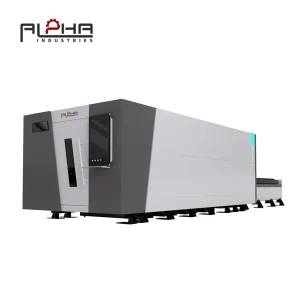
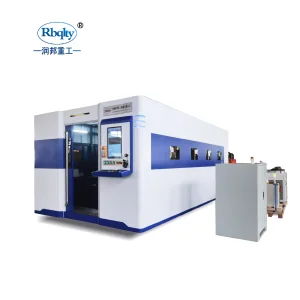
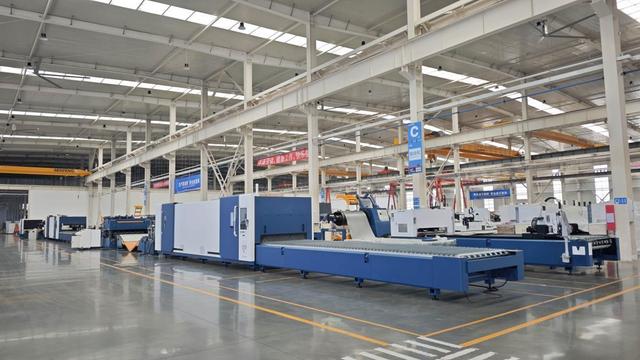
In automotive fabrication shops, processing speed and accuracy are crucial for structural integrity and high yield rates. Using our 12kW/15kW/20KW Fiber Laser Cutting Machines with Cypcut controller software, automotive suppliers can execute multi-axis profiling on high-strength structural parts. Integration of dual-shuttle tables (exchange tables) allows continuous material loading without stopping the laser source, improving cycle efficiency.
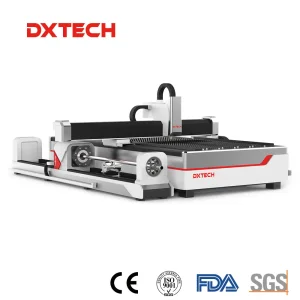
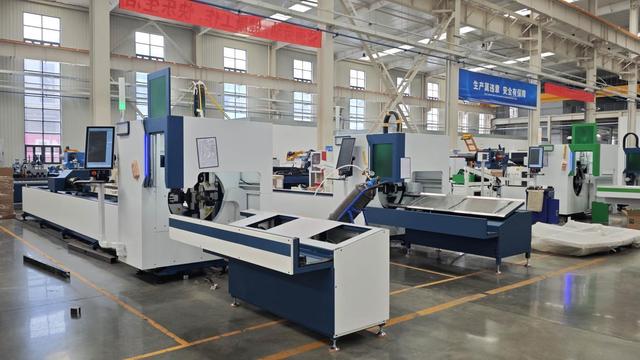
Structural steel works require structural processing of thick carbon steel plates and structural pipes. Our tube-cutting modules and high-power plate cutters handle heavy structural workpieces. High-pressure gas selection (Nitrogen/Oxygen/Compressed Air) is integrated into our software to yield oxide-free cut edges on thick steel, eliminating the need for secondary grinding or edge preparation before structural welding.
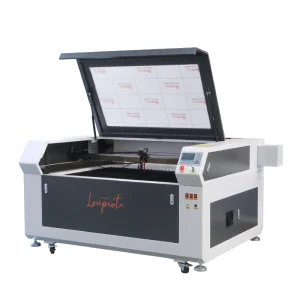
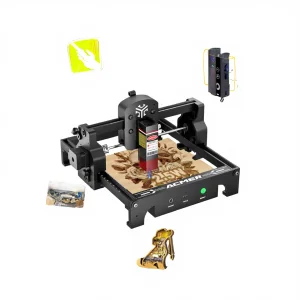
For delicate and intricate materials, compact systems like our Jewelry Processing Machine High-precision 1.5kW/3kW Laser CNC Cutting Machine offer high mechanical precision in a small footprint. Equipped with ultra-fine fiber configurations, these systems can resolve details under 0.05 mm, making them perfect for micro-mechanical designs, custom jewelry cutting, keychains, and high-precision electronic components.
The laser industry is rapidly shifting towards higher intelligence, real-time diagnostic systems, and green energy profiles. Shanghai Datum is leading this shift through systematic product research and engineering enhancements.
One of Shanghai Datum’s primary market advantages is our location in the heart of China’s advanced industrial manufacturing corridor. This strategic positioning provides several key benefits to our global partners:
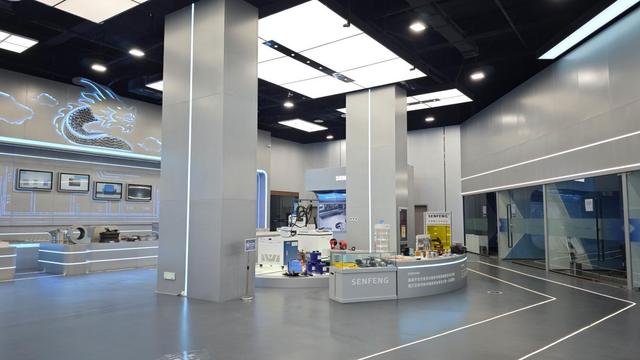
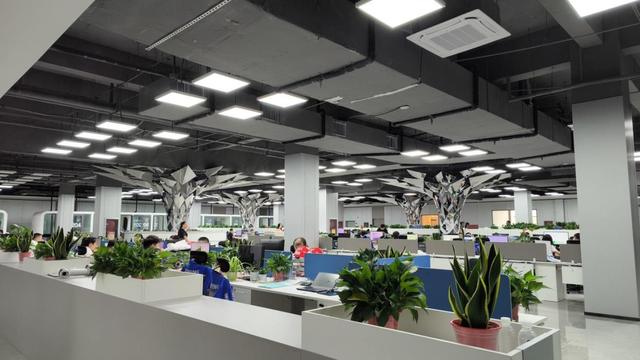
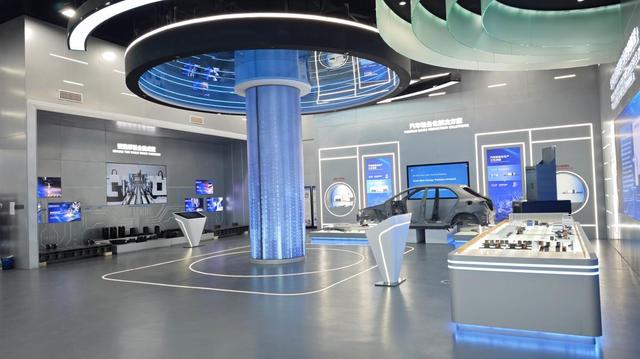
An industrial machine is only as good as the service network backing it. We recognize that machine downtime means lost profit, which is why Shanghai Datum has structured its international service network with multiple local support mechanisms.
Compliance Architecture: Our engineering team ensures that power transformers, wiring harnesses, safety warning layouts, and optical shielding modules match regional expectations. We customize voltage parameters to align with local industrial standards (e.g., 3-phase 380V 50Hz, 220V 60Hz, or 480V 60Hz) to prevent startup complications.
Technical Service Support: We offer comprehensive digital onboarding, remote machinery diagnosis via industrial IoT interfaces, and localized field technician support through certified regional distributor networks. From initial optical alignment checks to preventive maintenance training, our technical support ensures your systems operate at peak performance.
Browse our precision marking, automated edge banding, robotic welding, and high-frequency CNC setups.