Datum Machine
Datum Machine
Datum Machine
High-speed, high-efficiency cutting solutions designed for automotive hubs in Karawang, steel fabrication centers in Cilegon, and industrial estates across Jakarta & Surabaya.
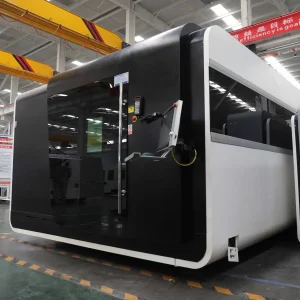
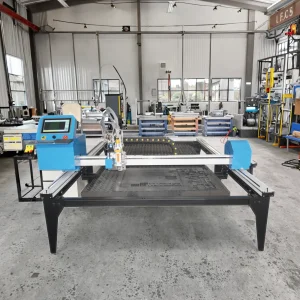
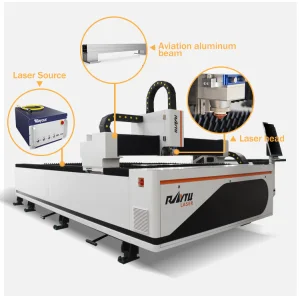
An in-depth white paper on semantic manufacturing requirements, local macroeconomic tailwinds, and high-precision fiber laser applications under the "Making Indonesia 4.0" initiative.
Indonesia is strategically positioned as a premier manufacturing powerhouse in Southeast Asia. Driven by the national masterplan “Making Indonesia 4.0”, the country is rapidly transitioning from manual, low-margin assembly processes to automated, high-precision, and digitally integrated production ecosystems. The key industrial corridors—stretching from the Jakarta-West Java metropolitan axis (comprising Cikarang, Karawang, Bekasi, and Tangerang) to East Java (Surabaya, Gresik, Sidoarjo) and the special economic zones of Banten and Batam—are experiencing an unprecedented surge in demand for raw metal processing capabilities.
Traditionally, thermal cutting processes like oxy-fuel and plasma cutting dominated the metal fabrication sector. However, the modern demands of global supply chains for industries such as automotive components (Yamaha, Honda, Toyota, and Mitsubishi assembly hubs in West Java), electrical enclosures, heavy machinery parts, and infrastructure components necessitate structural modifications. High-precision fiber laser cutting systems have emerged as the crucial enabler, offering narrow kerf widths, minimal heat-affected zones (HAZ), high repeatability, and ultra-high processing speeds.
On a global scale, the laser cutting paradigm has fundamentally shifted. Fiber laser technologies (utilizing optical fibers doped with rare-earth elements like ytterbium as the active gain medium) have effectively marginalized CO2 lasers. The reasons are rooted in physics and solid-state engineering:
Wavelength Absorption: Fiber lasers operate at a wavelength of approximately 1.064 microns, which is ten times shorter than the 10.6 microns of CO2 lasers. This shorter wavelength yields an absorption rate that is 2 to 3 times higher in metals like carbon steel, stainless steel, aluminum, brass, and copper, translating directly into higher cutting speeds for thin-to-medium sheet metals.
Operational Costs & Wall-plug Efficiency: CO2 systems require complex path bellows, internal gas mixtures, and reflective mirrors that need regular calibration, losing substantial power along the way. In contrast, fiber lasers utilize solid-state delivery directly to the cutting head via flexible fiber cables. This configuration yields a wall-plug energy conversion efficiency exceeding 35%, compared to a meager 8% to 10% for traditional CO2 systems. For Indonesian fabricators facing industrial electricity tariff increases, this operational efficiency directly impacts profitability.
| Parameters | Fiber Laser Cutting Systems (Datum standard) | Traditional CO2 Laser Systems | Precision Plasma Cutting |
|---|---|---|---|
| Kerf Width & Heat-Affected Zone (HAZ) | Ultra-narrow (0.05 - 0.1mm); negligible thermal distortion | Moderate (0.2 - 0.4mm); minor heat stress | Wide (1.0 - 2.5mm); significant thermal stress and dross |
| Reflective Metal Processing | Excellent (Safe processing of Brass, Copper, Aluminum) | Poor (High risk of back-reflection damage to mirrors) | Fair (Can cut, but with low detail and rough edge finish) |
| Maintenance Requirements | Virtually zero maintenance for solid-state laser module | High (Demands optical alignment, turbine maintenance, gas) | High (Frequent consumable nozzle and electrode changes) |
| Integration with Automation (Industry 4.0) | Fully native (EtherCAT CNC protocols, AI nesting software) | Limited (Analog control, older proprietary interfaces) | Basic (Limited interface for high-speed nesting) |
Centered heavily around Bekasi, Karawang, and Purwakarta, suppliers to major Japanese and domestic vehicle brands utilize 1500W to 4000W fiber lasers to perform high-speed cutting of high-tensile strength automotive sheets, bracket parts, chassis plates, and exhaust manifolds. The elimination of physical die fabrication processes reduces product development cycles from months to days.
In regions like Surabaya (Tanjung Perak and Gresik hubs) and Batam, shipbuilders and structural engineers require heavy steel profiling. Systems ranging from 12,000W to 20,000W capable of executing precise 45-degree bevel cuts are critical to preparing thick carbon steel plates (up to 50mm) for welding, ensuring structural integrity and compliance with international maritime registers (such as BKI - Biro Klasifikasi Indonesia).
Indonesia’s massive grid expansion by PLN requires localized production of outdoor transformer enclosures, electrical distribution cabinets, and control boxes. Fabricators utilize fiber lasers to quickly configure dynamic punch layouts, lock recesses, and ventilation grills on galvanized sheets and stainless steels with zero burrs.
Shanghai Datum Machine Co., Ltd. has developed its fiber laser systems to address the specific micro-climatic and operating environments of Indonesian factories. The technological advantages include:
Thermal Annealing and Mechanical Integrity: High humidity and ambient temperatures in Indonesian industrial zones can accelerate metal fatigue and structural warping. Our machine beds undergo a 600°C thermal annealing cycle for 24 hours in a nitrogen-controlled furnace, relieving residual mechanical stresses in the welded steel plate construction. This guarantees the gantry structure remains perfectly flat and aligned for decades without dynamic geometric deviations.
Intelligent Autofocus Cutting Heads: Equipped with Precitec or Raytools autofocus cutting systems, Datum machines dynamically adjust focus positioning according to real-time capacitive height sensing. Even when raw sheet metal from local suppliers exhibits slight waviness, the height sensor compensates instantly (within milliseconds) to maintain a constant focal point, preventing collisions and preserving cutting quality.
Climate-Controlled Cabinet Design: High ambient humidity represents a primary failure vector for electronics in tropical climates. Datum integrates a dual-circuit independent cabinet cooling system to eliminate internal condensation and maintain active temperature and humidity levels for the electrical drives, laser source, and control systems.
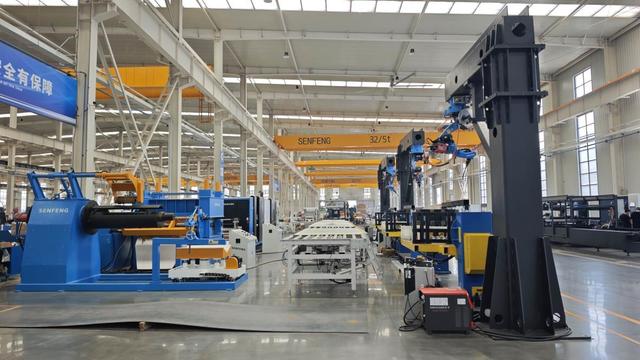
To offset the rising labor costs in Indonesia and minimize operator-induced scrap rates, Shanghai Datum provides custom automation lines. These include automatic sheet storage and retrieval systems (ASRS), gantry loaders, and robotic sorting systems that integrate seamlessly with local Manufacturing Execution Systems (MES) via open PLC communication protocols. By implementing automated material handling, laser cutting cycle runtimes can operate 24/7 with zero downtime between batches.
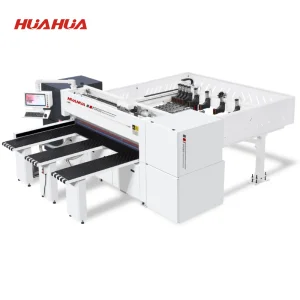
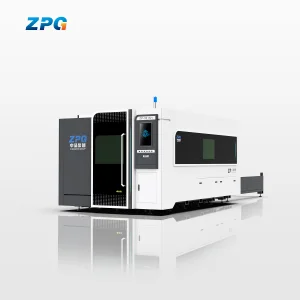
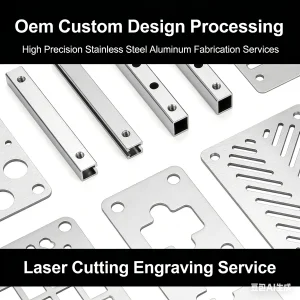
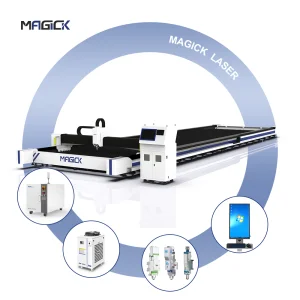
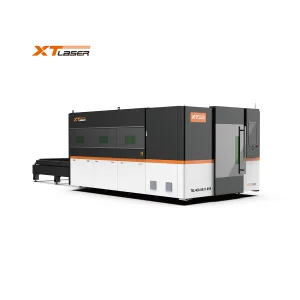
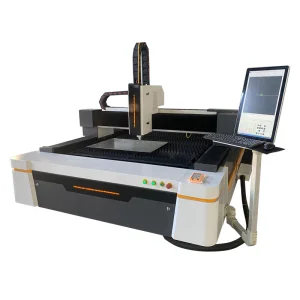
Explore our complete machinery portfolio engineered for maximum throughput, low energy consumption, and high tolerance accuracy.
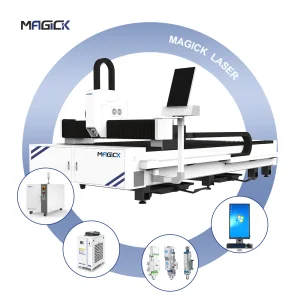
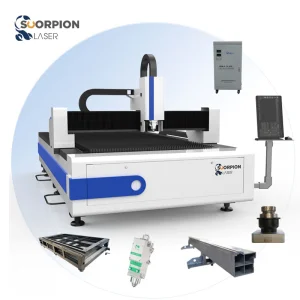
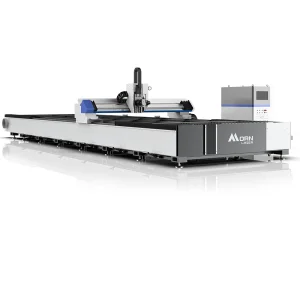
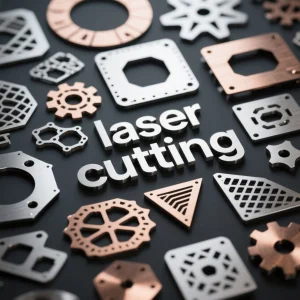
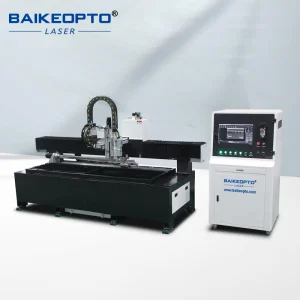
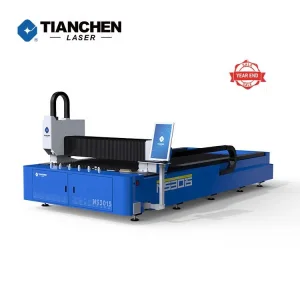
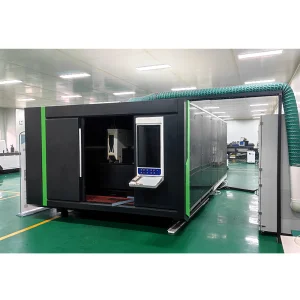
A leading Chinese innovator in smart manufacturing, specialized laser technology systems, and automation engineering serving industrial networks globally.
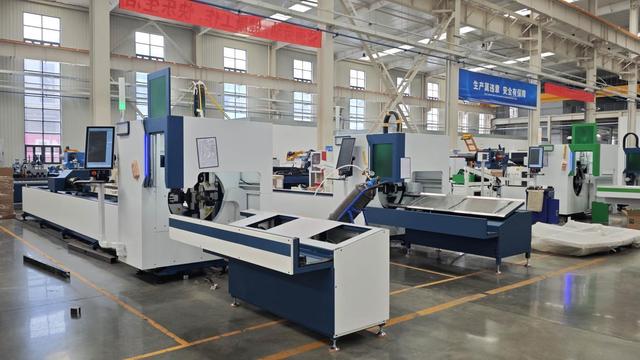
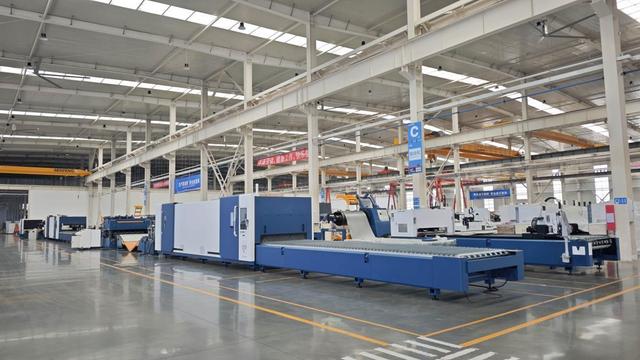
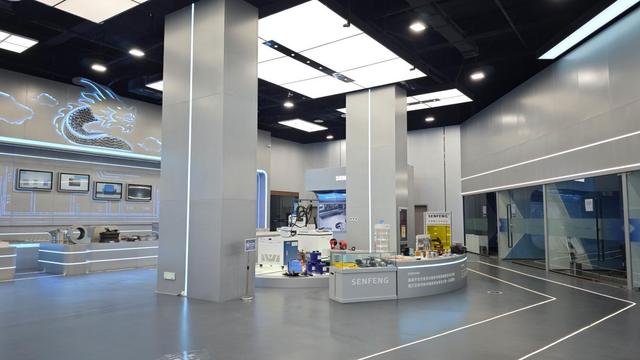
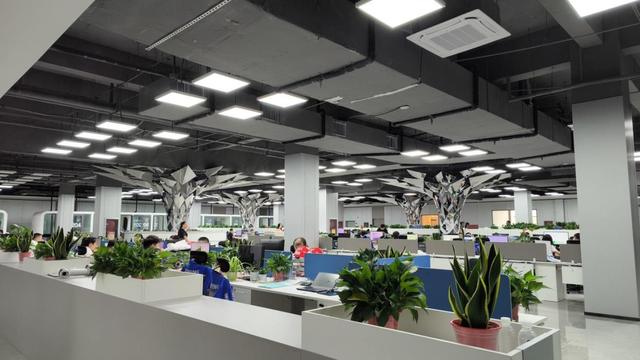
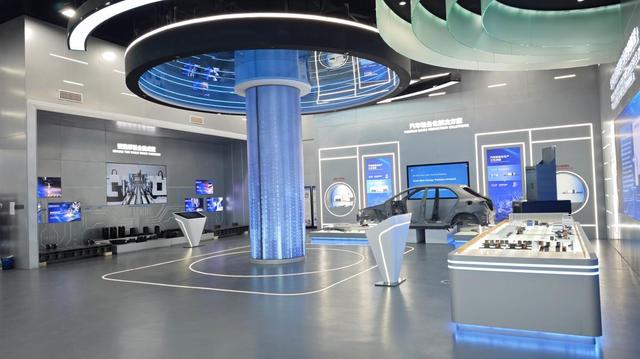
Shanghai Datum Machine Co., Ltd. is a professional China automation laser cutting manufacturer specializing in fiber laser cutting systems, CNC cutting solutions, and smart manufacturing equipment for global industrial customers. With extensive experience in advanced manufacturing technologies, we are dedicated to providing high-performance automation solutions that improve productivity, precision, and operational efficiency across a wide range of industries.
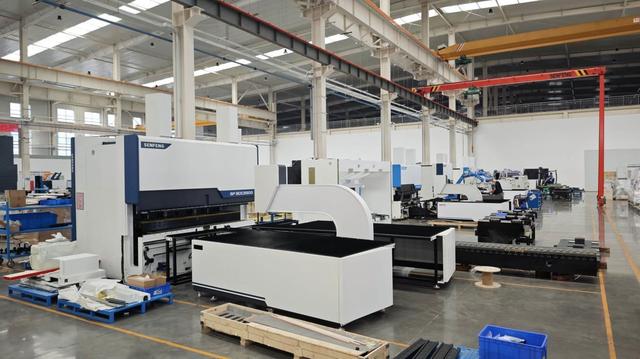
Our product portfolio includes fiber laser cutting systems, CNC laser cutting equipment, tube laser cutting machines, sheet metal processing solutions, robotic laser cutting systems, automated loading and unloading systems, laser production lines, and customized manufacturing automation solutions. Designed to meet the evolving demands of modern factories, our equipment delivers exceptional cutting accuracy, high-speed performance, reduced material waste, and reliable long-term operation.
At Datum Machine, innovation is at the center of our development strategy. Our engineering team continuously integrates intelligent control technologies, automation systems, and advanced manufacturing concepts to help customers build more efficient and flexible production environments. From standalone laser cutting equipment to fully integrated smart factory solutions, we provide comprehensive support tailored to each customer's production requirements.
Quality and reliability are fundamental to our manufacturing philosophy. We maintain strict quality control procedures throughout design, production, testing, and delivery to ensure every system meets international performance and safety standards. Our modern manufacturing facilities and experienced technical team enable us to provide consistent quality and dependable service for customers worldwide.
Serving clients across automotive, metal fabrication, machinery manufacturing, construction, aerospace, electronics, and industrial processing sectors, Shanghai Datum Machine Co., Ltd. has established a strong reputation for advanced technology, customized solutions, and responsive customer support. We are committed to becoming a trusted global partner in automation laser cutting, helping manufacturers achieve higher efficiency, smarter production, and sustainable growth through innovative laser processing technologies.
Get professional answers regarding import clearance, site preparation, voltage limits, localized service networks, and equipment longevity in tropical microclimates.