Datum Machine
Datum Machine
Datum Machine
Highly durable, cost-efficient, and optimized configurations designed to withstand Nigeria's local operating and electrical environments.
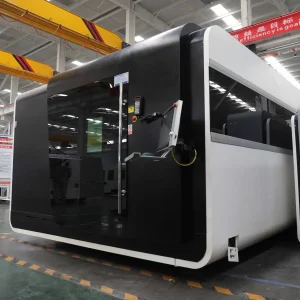
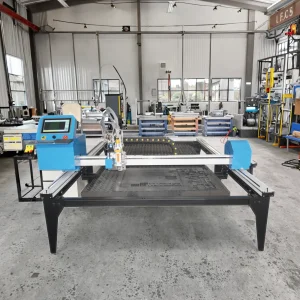
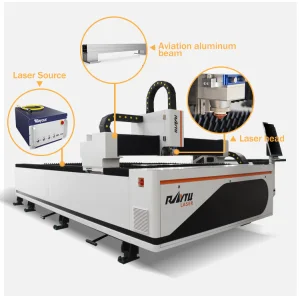
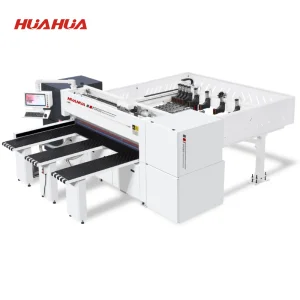
Nigeria is currently undergoing a massive structural transformation in its industrial and manufacturing sectors. As the largest economy in Africa, local manufacturing, structural engineering, infrastructure development, and metal processing are shifting rapidly away from reliance on imports toward local production. Regions such as the Lagos Industrial Zone (Ikeja, Lekki Free Trade Zone), Ogun State industrial corridors, Port Harcourt, and Kano are emerging as key manufacturing clusters.
Historically, Nigerian sheet metal workshops and structural engineering firms relied heavily on manual processes or traditional plasma cutting techniques. However, as the demand for accuracy, raw processing speed, and material optimization increases, these legacy tools are falling short. Manual cutting produces rough edges, high kerf loss, and severe thermal deformation, leading to secondary processes like grinding and deburring, which drives up production costs. The introduction of high-precision fiber laser cutting machines represents a critical technological leap forward for Nigeria's local manufacturing capability.
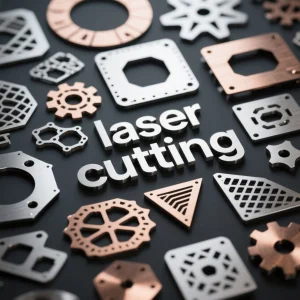
Modern CNC laser processing meets the specific production and architectural needs of the Nigerian market, providing high-precision solutions across key sectors:
Engineered for high duty-cycles, industrial durability, and seamless integration with complex CAD/CAM nested outputs.
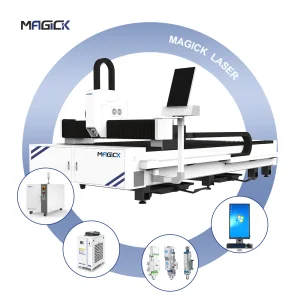
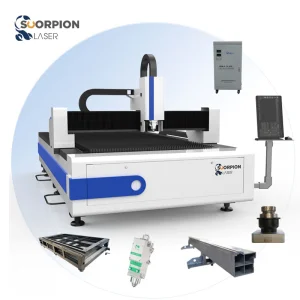
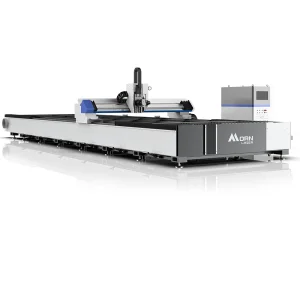
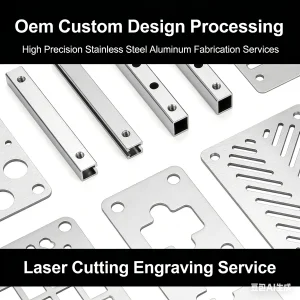
On a global scale, the metal fabrication market has entered the era of intelligent automation. Traditional carbon dioxide (CO2) lasers and legacy plasma cutters are rapidly being decommissioned in favor of solid-state fiber lasers. The advantages of fiber lasers are anchored in their physics: the laser beam is generated and guided through active fiber optics, producing a highly concentrated wavelength (typically around 1.06 micrometers) that exhibits high absorption rates in metals.
Today's international standard calls for high-power (6kW to 20kW and beyond) processing systems that can cut structural plates up to 50mm thick with clean-cut edges. Key markets globally focus on integrating Smart Factory frameworks, where automated material handling systems (loading/unloading gantries) pair with laser systems to facilitate 24/7 dark factory operations. Sourcing CNC lasers from a mature supply chain ensures local firms in Nigeria stay globally competitive, adopting identical parameters for manufacturing quality, productivity, and part cost.
When procurement managers in West Africa evaluate industrial equipment suppliers, supply chain resilience is a primary KPI. Sourcing from a premier Chinese factory like Shanghai Datum Machine Co., Ltd. offers significant strategic advantages:
The roadmap for metal processing in West Africa shows clear technological milestones:
Purchasing capital equipment for deployment in Nigeria requires careful consideration of operational realities. A reliable supplier must offer robust localized support frameworks:
A professional China automation laser cutting manufacturer specializing in fiber laser cutting systems, CNC cutting solutions, and smart manufacturing equipment.
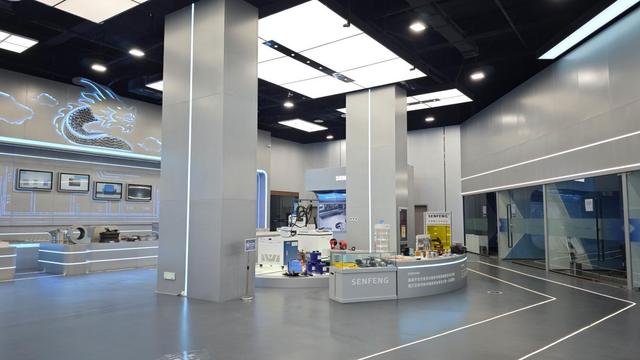
Shanghai Datum Machine Co., Ltd. is a professional China automation laser cutting manufacturer specializing in fiber laser cutting systems, CNC cutting solutions, and smart manufacturing equipment for global industrial customers. With extensive experience in advanced manufacturing technologies, we are dedicated to providing high-performance automation solutions that improve productivity, precision, and operational efficiency across a wide range of industries.
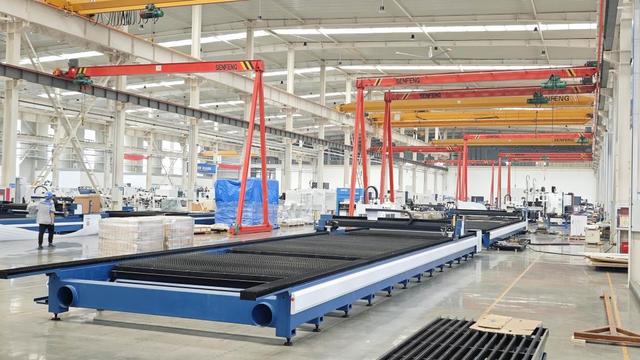
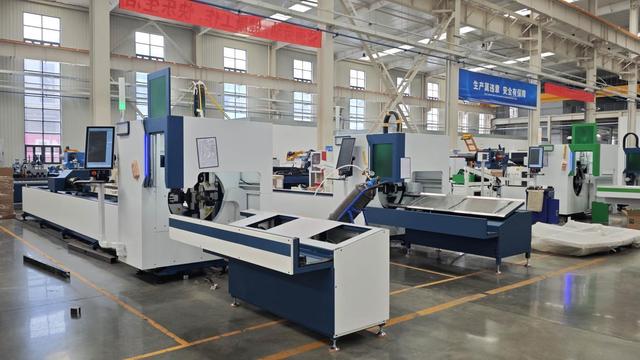
Our product portfolio includes fiber laser cutting systems, CNC laser cutting equipment, tube laser cutting machines, sheet metal processing solutions, robotic laser cutting systems, automated loading and unloading systems, laser production lines, and customized manufacturing automation solutions. Designed to meet the evolving demands of modern factories, our equipment delivers exceptional cutting accuracy, high-speed performance, reduced material waste, and reliable long-term operation.
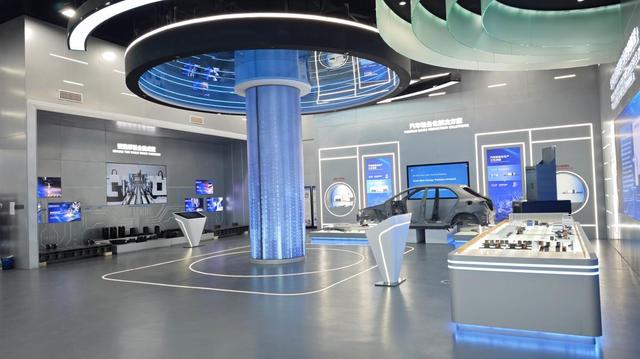
At Datum Machine, innovation is at the center of our development strategy. Our engineering team continuously integrates intelligent control technologies, automation systems, and advanced manufacturing concepts to help customers build more efficient and flexible production environments. From standalone laser cutting equipment to fully integrated smart factory solutions, we provide comprehensive support tailored to each customer's production requirements.
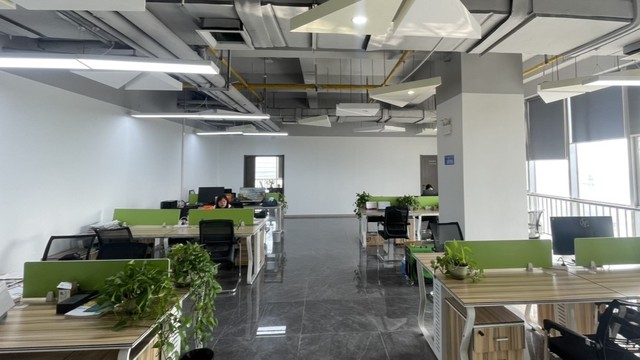
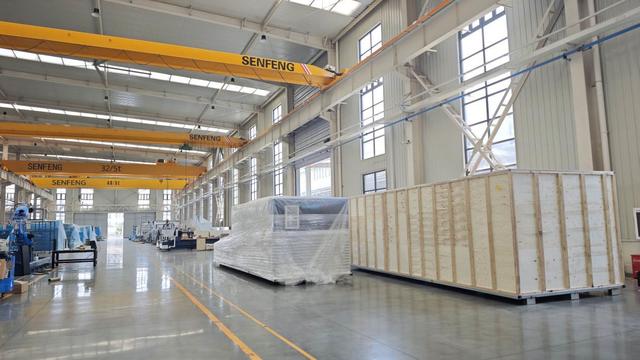
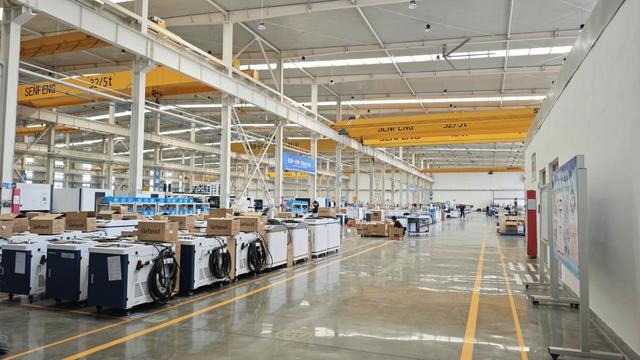
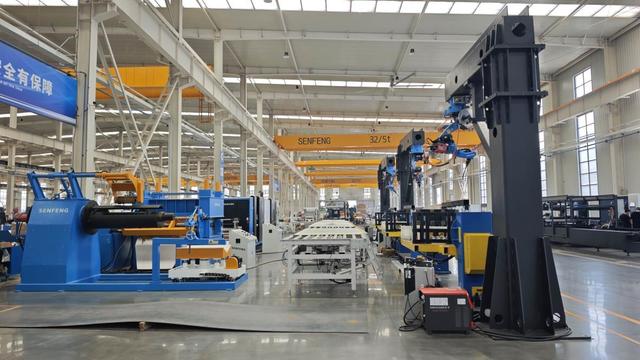
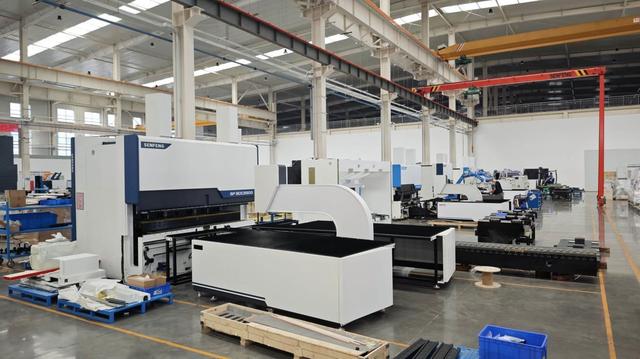
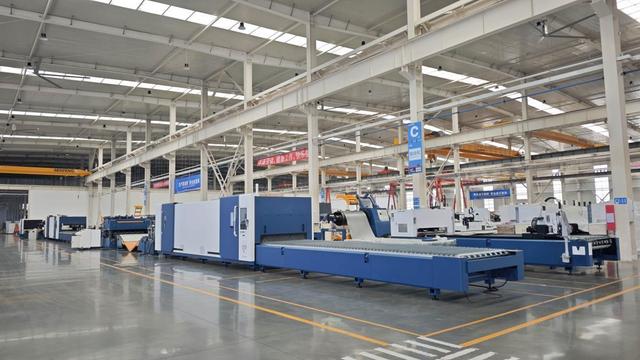
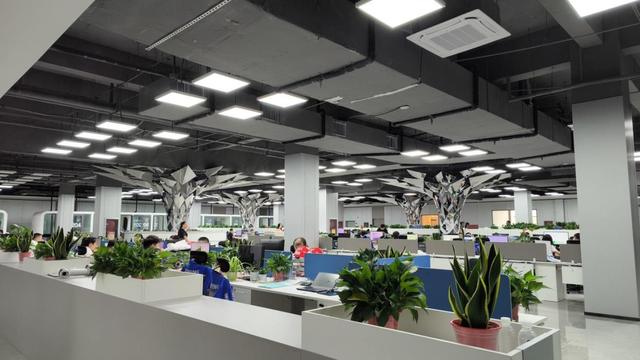
Quality and reliability are fundamental to our manufacturing philosophy. We maintain strict quality control procedures throughout design, production, testing, and delivery to ensure every system meets international performance and safety standards. Our modern manufacturing facilities and experienced technical team enable us to provide consistent quality and dependable service for customers worldwide.
Serving clients across automotive, metal fabrication, machinery manufacturing, construction, aerospace, electronics, and industrial processing sectors, Shanghai Datum Machine Co., Ltd. has established a strong reputation for advanced technology, customized solutions, and responsive customer support. We are committed to becoming a trusted global partner in automation laser cutting, helping manufacturers achieve higher efficiency, smarter production, and sustainable growth through innovative laser processing technologies.
Critical considerations regarding technical integration, logistics, power stabilization, and after-sales support.
Fiber lasers require a stable three-phase electrical connection (typically 380V/50Hz). Because the Nigerian power grid experiences frequent voltage spikes and brownouts, we highly recommend integrating a high-performance Industrial Voltage Stabilizer (AVR) with a capacity 1.5 to 2 times the maximum power consumption of the laser system to prevent damage to electrical cabinets and laser diodes.
Yes. Many fabricators in Lagos and Port Harcourt run fiber lasers using generator sets. Ensure the generator is sized correctly (usually a minimum of 100kVA for a 3kW-6kW laser system and chiller combined) and features a high-grade electronic governor to maintain steady frequency (50Hz) and clean output sine waves.
We offer full CFR (Cost and Freight) or CIF (Cost, Insurance, and Freight) shipping to major ports such as Lagos (Apapa/Tincan Island Port) and Port Harcourt. We provide all export documentation, including commercial invoices, packing lists, Bill of Lading, CE certificates, and the mandatory SONCAP paperwork required for clearing custom duties in Nigeria.
Shanghai Datum provides exhaustive digital training materials, online support, and remote desktop troubleshooting via the CNC system. If local commissioning is required, we can coordinate dispatching of qualified engineers to your site in Nigeria for setup and operator training. Furthermore, standard wear parts (nozzles, protective windows, ceramic rings) can be shipped via express courier (DHL/FedEx) within 3-5 working days.
Carbon steel is typically cut with Oxygen (O2) as an auxiliary gas, which initiates an exothermic reaction to cut thicker plates at lower pressures. Stainless steel and aluminum require Nitrogen (N2) or clean, high-pressure Compressed Air to blow away molten metal without oxidation, resulting in a bright, clean, weld-ready edge.
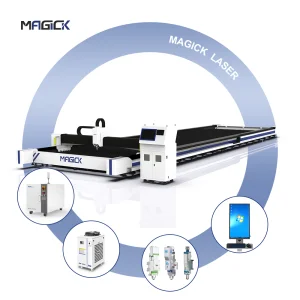
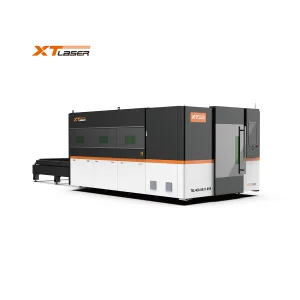
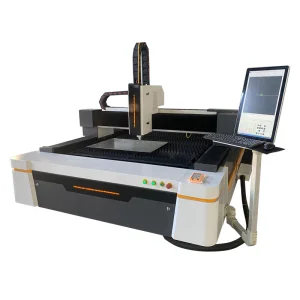
Explore our complete catalog of industrial cutting systems. Each machine preserves original manufacturer URLs and technical configurations.