Datum Machine
Datum Machine
Datum Machine
Explore our premium industrial fiber laser processing equipment engineered for extreme reliability and automation compatibility.
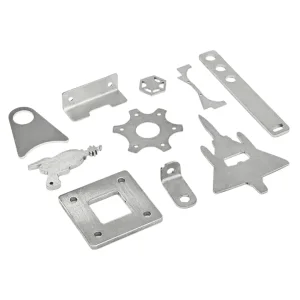
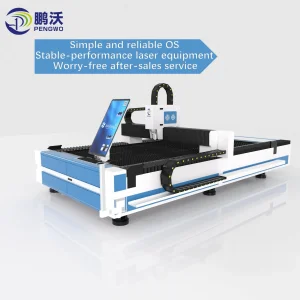
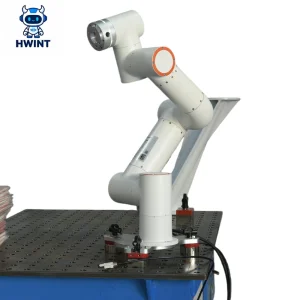
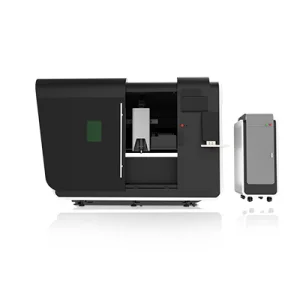
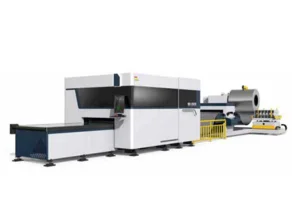
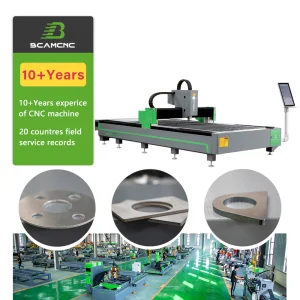
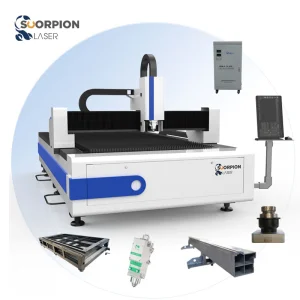
In modern smart manufacturing, laser marking systems have evolved from standalone desktop workstations to mission-critical, high-speed, and automated components of large-scale production lines. Today's procurement team is not just evaluating basic physical properties such as wattage or laser source type; instead, they are searching for comprehensive, automated laser processing suites that seamlessly bridge the gap between quality control and automated logistics. This paradigm shift requires a deep understanding of multi-axis CNC interpolation, fiber delivery mechanics, material-photon interactions, and real-time vision verification systems.
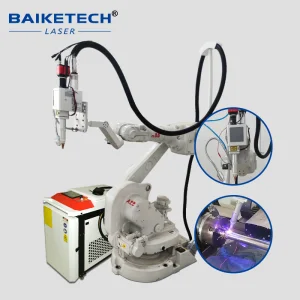
Global industries demand that laser solutions suppliers provide high-precision processing capabilities that ensure zero-tolerance quality and total product traceability. Whether marking 2D matrix codes on micro-electronics or handling massive high-speed metal cutting jobs, modern systems require advanced control networks like FSCUT or Beckhoff, alongside robust automated loading configurations. Leading international suppliers have adapted by designing structural setups that combine high-frequency marking nodes directly with automated robotic arms, collaborative welders, and conveyor networks.
"The future of material processing lies in semantic system integration. Laser marking, drilling, and cutting can no longer operate in functional silos; they must function as localized cells unified by dynamic manufacturing execution systems (MES)."
From a micro-structural point of view, selecting a supplier means examining their expertise in laser physics. Variables such as pulse width, beam parameter product (BPP), and beam quality factor (M²) determine the precision of the micro-cracks generated during annealing, engraving, or cutting. Systemic capabilities to minimize heat-affected zones (HAZ) are vital when dealing with materials like aerospacegrade aluminum, medical-grade stainless steel, and delicate performance polymers.
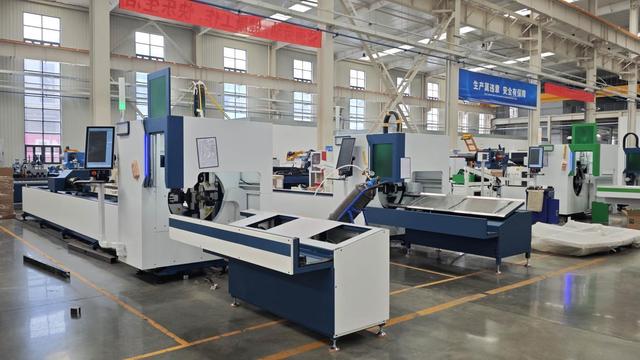
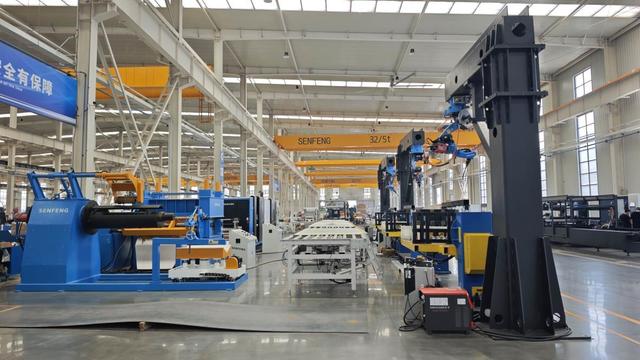
Shanghai Datum Machine Co., Ltd. is a professional China automation laser cutting manufacturer specializing in fiber laser cutting systems, CNC cutting solutions, and smart manufacturing equipment for global industrial customers. With extensive experience in advanced manufacturing technologies, we are dedicated to providing high-performance automation solutions that improve productivity, precision, and operational efficiency across a wide range of industries.
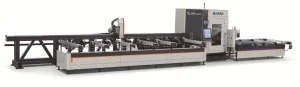
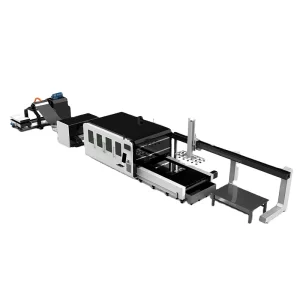
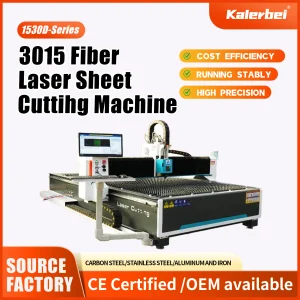
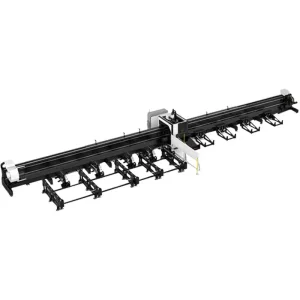
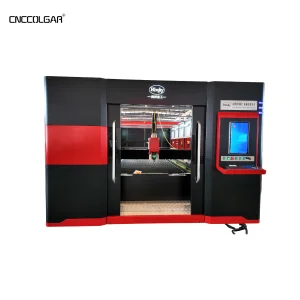
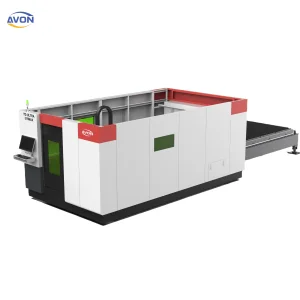
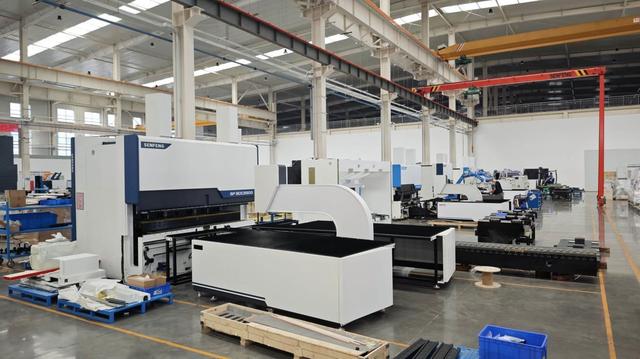
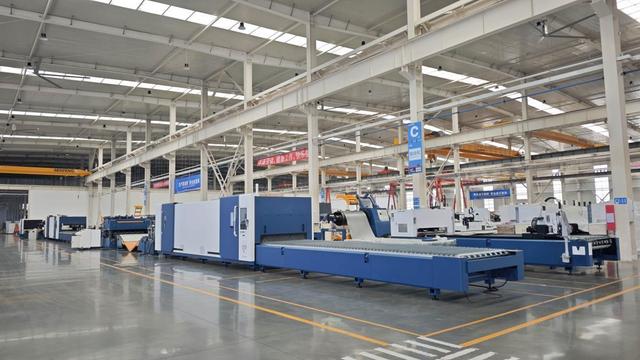
Our product portfolio includes fiber laser cutting systems, CNC laser cutting equipment, tube laser cutting machines, sheet metal processing solutions, robotic laser cutting systems, automated loading and unloading systems, laser production lines, and customized manufacturing automation solutions. Designed to meet the evolving demands of modern factories, our equipment delivers exceptional cutting accuracy, high-speed performance, reduced material waste, and reliable long-term operation.
At Datum Machine, innovation is at the center of our development strategy. Our engineering team continuously integrates intelligent control technologies, automation systems, and advanced manufacturing concepts to help customers build more efficient and flexible production environments. From standalone laser cutting equipment to fully integrated smart factory solutions, we provide comprehensive support tailored to each customer's production requirements.
Quality and reliability are fundamental to our manufacturing philosophy. We maintain strict quality control procedures throughout design, production, testing, and delivery to ensure every system meets international performance and safety standards. Our modern manufacturing facilities and experienced technical team enable us to provide consistent quality and dependable service for customers worldwide.
Serving clients across automotive, metal fabrication, machinery manufacturing, construction, aerospace, electronics, and industrial processing sectors, Shanghai Datum Machine Co., Ltd. has established a strong reputation for advanced technology, customized solutions, and responsive customer support. We are committed to becoming a trusted global partner in automation laser cutting, helping manufacturers achieve higher efficiency, smarter production, and sustainable growth through innovative laser processing technologies.
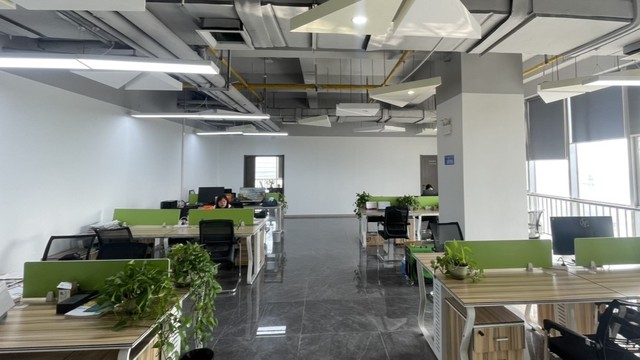
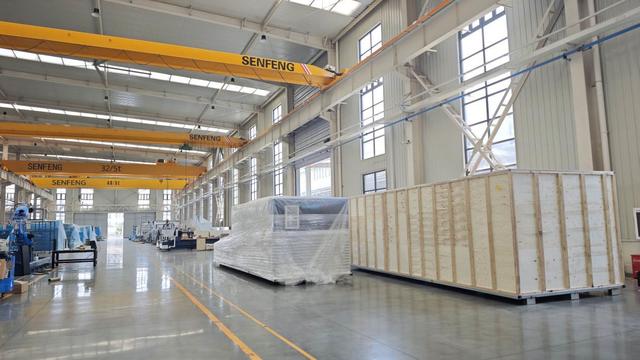
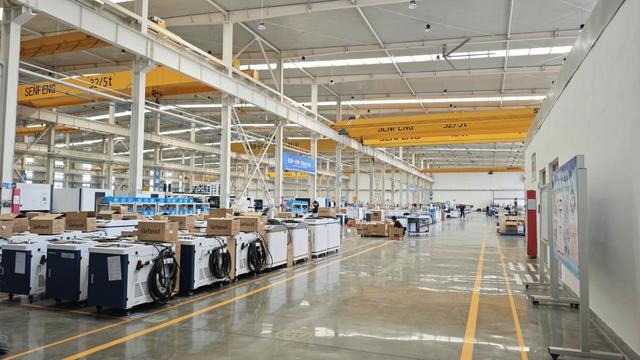
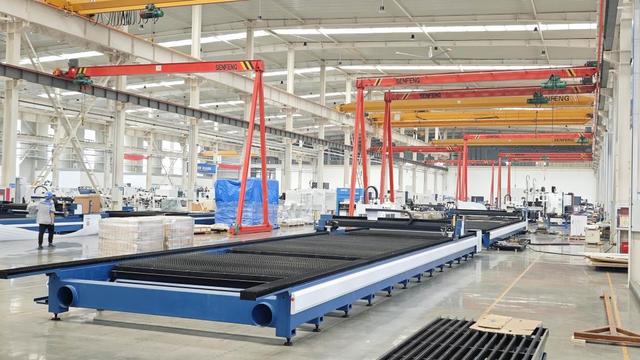
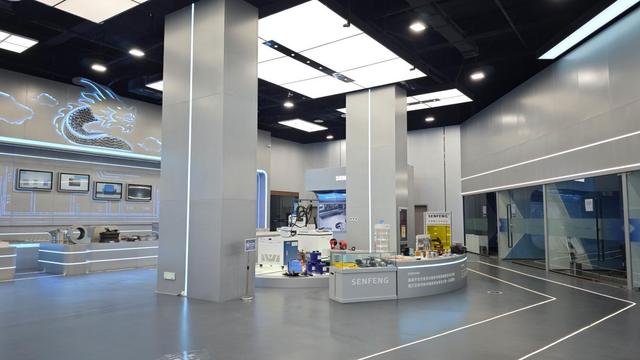
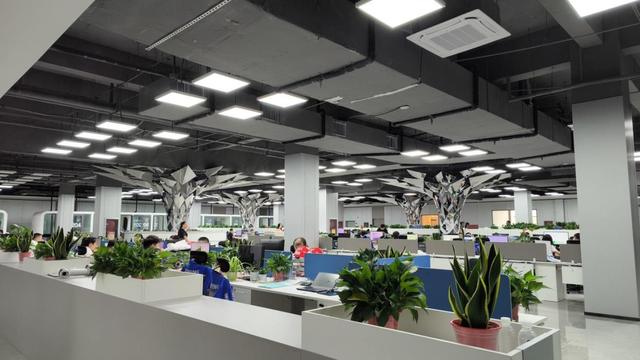
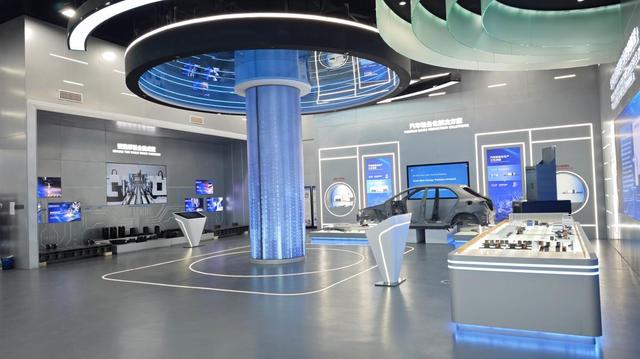
When comparing top suppliers, evaluate these fundamental processing benchmarks to secure maximum operational ROI.
Selecting a premier supplier requires mapping corporate challenges to engineering capabilities. The market is populated by various providers, ranging from component-oriented laser head builders to holistic turnkey automation houses. Below is a structured analysis of the characteristics defining the top global laser solution suppliers:
| Supplier Category | Core Laser Technologies | Automation Level | Key Industrial Vertical |
|---|---|---|---|
| 1. High-Precision Automators (e.g., Shanghai Datum) | Fiber Lasers, Multi-axis CNC Systems | Ultra-High (Fully integrated production lines) | Automotive, Aerospace, Metal Fabrication |
| 2. Precision Component Builders | UV Lasers, Green Lasers, Ultra-fast Pulsed | Medium (Focus on standalone workstation integration) | Semiconductors, Medical Instruments |
| 3. High-Power Heavy Duty Specialists | Multi-Kilowatt Fiber, CO2 Lasers | High (Coil-fed material management systems) | Structural Steel, Heavy Infrastructure |
| 4. Compact Tabletop Developers | Low-power Fiber, CO2 desktop | Low (Manual loading/unloading) | Prototyping, Customized Markings |
| 5. High-Velocity Galvo Specialists | High-speed Galvo Scanners, UV & Green | Medium-High (Flying marking integration) | FMCG, Pharmaceutical Packaging |
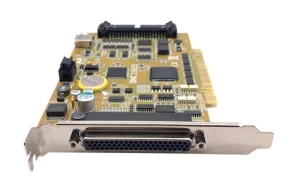
To maintain high reliability, enterprise procurement teams must investigate a supplier's upstream component selection. For instance, the source of the laser resonator (whether utilizing IPG Photonics, Raycus, or nLIGHT) directly determines beam stability, pump diode lifespans, and warranty costs. The control software interface is another critical factor. Proprietary configurations or customized versions of standard platforms like Fscut or CypCut must support standard fieldbus protocols (Profinet, EtherCAT, Modbus) to link smoothly with upstream MES networks.
The convergence of artificial intelligence, high-frequency optics, and multi-axis robotics is shaping the future of material processing.
Integration of smart vision sensors and high-speed processors directly into the optical path allows marking systems to auto-calibrate power based on localized density variations, drastically minimizing reject rates.
Next-generation processing stations are combining multiple laser sources (such as UV and Fiber) into a single optical delivery head, allowing cutting, marking, and cleaning on diverse composite materials in one cycle.
The shift towards picosecond and femtosecond lasers ensures cold ablation on complex electronics components, preventing micro-cracking and avoiding any thermal damage to neighboring micro-circuits.
Procuring heavy industrial laser hardware from global manufacturers requires strict adherence to international safety and compliance benchmarks. Laser systems are categorized under strict safety classes (such as Class 1 for fully enclosed systems, and Class 4 for open setups). A reputable supplier must guarantee compliance with the following international regulatory frameworks:
Beyond compliance, localized field support is the cornerstone of long-term efficiency. Downtime on a 12kW sheet metal processing or high-speed marking line can cost thousands of dollars per hour. For this reason, selecting suppliers that provide remote diagnostics via IoT gateways, secure rapid-response spare parts logistics (such as F-Theta lenses, protective windows, and cutting nozzles), and provide detailed on-site training programs is essential.
Detailed technical answers addressing common questions in industrial laser sourcing.
Complete your facility's configuration with automated tooling systems, tube cutters, and dynamic production lines.