Datum Machine
Datum Machine
Datum Machine
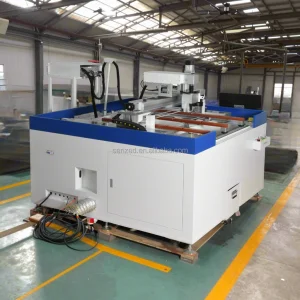
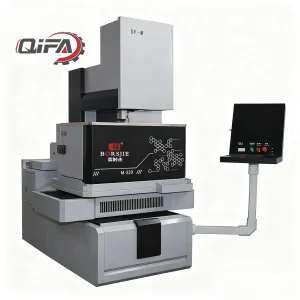
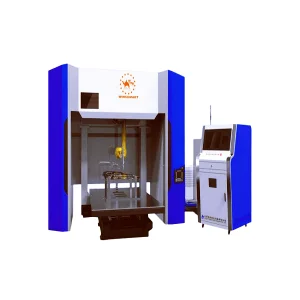
Explore our state-of-the-art machinery lineup, designed for diverse material capabilities and robust industrial automation.
The global manufacturing paradigm is transitioning rapidly from rigid, single-purpose assembly systems to highly integrated, multi-functional units. At the center of this transformation lies industrial laser technology. Historically, cutting, welding, drilling, surface treatment, and cleaning operations required separate machines, extensive storage footprints, and multiple product transfers. This fragmentation led to cumulative tolerance errors, longer processing cycles, and increased capital expenditures.
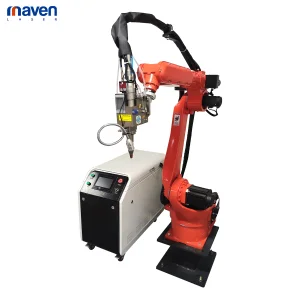
Modern multi-functional laser machines represent a major technological convergence. By combining processes such as high-speed fiber laser cutting, high-energy laser welding, and high-frequency laser cleaning, industrial enterprises can execute complex manufacturing sequences on a single platform. The integration of 6-axis robotic arms and advanced gantries allows manufacturers to transition seamlessly between materials, thickness ranges, and part geometries. This versatility is crucial for high-value production chains such as automotive manufacturing, EV battery enclosures, aerospace structural parts, and precision medical devices.
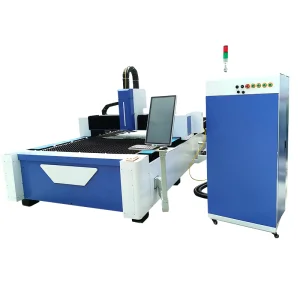
Globally, the demand for laser systems is driven by requirements for higher material yields, tighter tolerances, and minimized thermal deformation. Laser wavelengths (typically 1.06μm for fiber resonators and 10.6μm for carbon dioxide resonators) are tuned precisely to the target material's absorption profile to optimize energy transfer. High-power systems, ranging from 1.5kW to over 20kW, now utilize intelligent gas control systems (switching dynamically between O₂, N₂, and compressed air) to balance cut quality with processing speed.
Industrial multi-functional laser machines are complex assemblies of optical, mechanical, and electronic components. Understanding this structure is essential for procurement teams to evaluate the system's operational capability:
For industrial deployment, CE certification is not just a regulatory checkmark but a key indicator of machine safety. Compliance with EN ISO 11553-1 (Safety of machinery - Laser processing machines) and EN 60825-1 (Safety of laser products) ensures that housing designs, interlock circuits, dynamic safety switches, and exhaust filtration protect operators from hazardous scattered radiation and volatile emissions.
China has established a comprehensive, vertically integrated industrial ecosystem for laser manufacturing. Leading hubs in Shanghai, Shandong, and Guangdong have concentrated the production of optical components, mechanical structures, and control systems, creating a highly efficient supply chain.
This geographic concentration allows Chinese manufacturers to offer several distinct advantages:
Discover the engineering developments that define modern multi-functional laser machinery.
Process carbon steel, stainless steel, aluminum, copper alloys, and non-metals on a single platform with automated parameter adjustment.
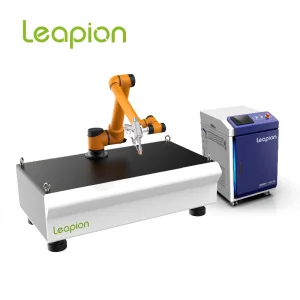
Articulated robot arms enable three-dimensional cutting, welding, and surface treatment of complex molded parts and curved profiles.
Real-time control algorithms regulate laser output dynamically based on feed rate, reducing thermal impact on delicate geometries.
Modern laser systems are designed to address the specific production challenges of diverse sectors. The list below highlights key industrial application areas:
In modern automotive factories, cycle times are measured in seconds, and component failures carry high liability risks. Robotic fiber laser cutting and welding systems process structural elements, high-strength steel (HSS) safety cages, and battery casings for electric vehicles. For example, aluminum and copper tube processing requires precise beam configurations to manage these metals' high reflectivity and heat dissipation rates. These configurations are critical to creating secure, leak-free joints in cooling lines and electrical connectors.
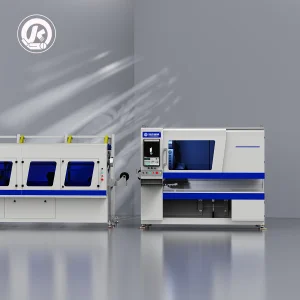
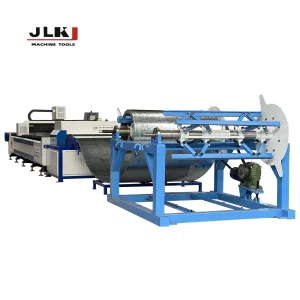
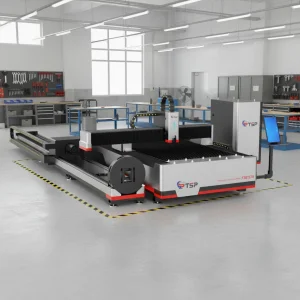
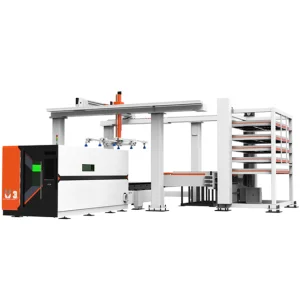
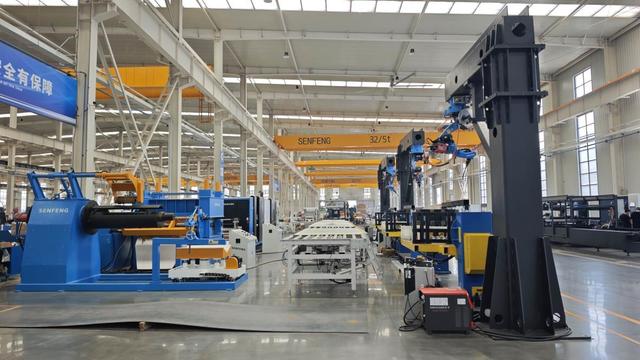
Precision job shops handle fluctuating batch sizes and wide ranges of sheet thicknesses. Modern automated blanking lines integrate uncoiling, leveling, laser cutting, and parts sorting into continuous operations. By pairing high-power fiber resonators (ranging from 6kW to 10kW) with dual-pallet shuttles, manufacturers can process thick carbon steel sheets with minimal setup times.
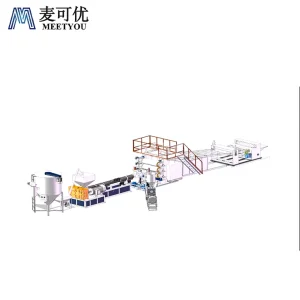
While fiber lasers are standard for metal fabrication, processing engineering plastics like PVC, PE, ABS, and PET requires different wavelengths to prevent polymer degradation. Specialized CO₂ systems and plastic extrusion laser cutting lines process sheet materials cleanly, leaving smooth edges without charring or toxic outgassing. This capability is widely utilized in packaging, medical enclosures, and consumer electronics assembly.
When selecting a high-precision multi-functional laser platform, procurement managers must evaluate mechanical parameters alongside nominal power values. The comparative guide below outlines key specifications across different machinery categories:
| Laser Class & Type | Laser Source & Wavelength | Optimal Power Range | Key Industrial Materials | Primary Production Advantages |
|---|---|---|---|---|
| CNC Fiber Laser Cutters | Fiber Resonator (1.06μm) | 3,000W - 12,000W | Stainless/Carbon Steel, Copper, Brass | High photoelectric conversion, narrow cutting kerf |
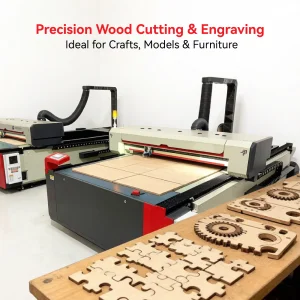
| CO2 Laser Cutting Machines | Carbon Dioxide Gas (10.6μm) | 150W - 400W | Acrylic, MDF, Wood, ABS, PMMA, Leather | High absorption coefficient on organic polymers |
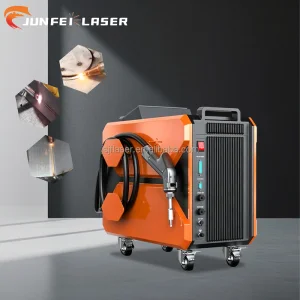
| 3-in-1 Laser Processors | Fiber Resonator (Continuous Wave) | 1,000W - 2,000W | Steel Alloys, Aluminum, Dissimilar Metals | Combines welding, cutting, and cleaning functions |
| Robotic 3D Systems | Fiber with 6-Axis Articulated Arm | 1,500W - 4,000W | Deep-drawn steel parts, curved tubes | Automated, flexible pathing for complex geometries |
The industrial laser processing field is advancing rapidly, driven by developments in controls and material sciences. We anticipate three primary trends will shape the industry over the next decade:
A professional China automation laser cutting manufacturer specializing in fiber laser systems, CNC solutions, and smart manufacturing equipment.
Shanghai Datum Machine Co., Ltd. is a professional China automation laser cutting manufacturer specializing in fiber laser cutting systems, CNC cutting solutions, and smart manufacturing equipment for global industrial customers. With extensive experience in advanced manufacturing technologies, we are dedicated to providing high-performance automation solutions that improve productivity, precision, and operational efficiency across a wide range of industries.
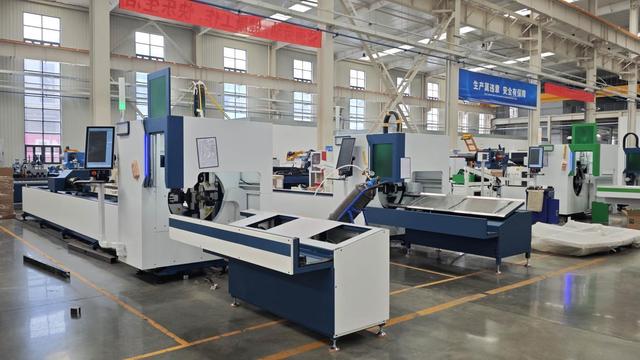
Our product portfolio includes fiber laser cutting systems, CNC laser cutting equipment, tube laser cutting machines, sheet metal processing solutions, robotic laser cutting systems, automated loading and unloading systems, laser production lines, and customized manufacturing automation solutions. Designed to meet the evolving demands of modern factories, our equipment delivers exceptional cutting accuracy, high-speed performance, reduced material waste, and reliable long-term operation.
At Datum Machine, innovation is at the center of our development strategy. Our engineering team continuously integrates intelligent control technologies, automation systems, and advanced manufacturing concepts to help customers build more efficient and flexible production environments. From standalone laser cutting equipment to fully integrated smart factory solutions, we provide comprehensive support tailored to each customer's production requirements.
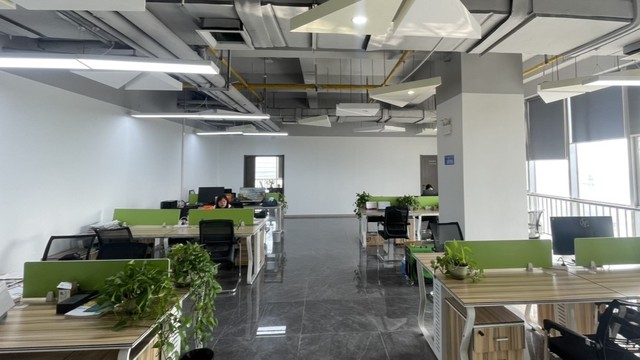
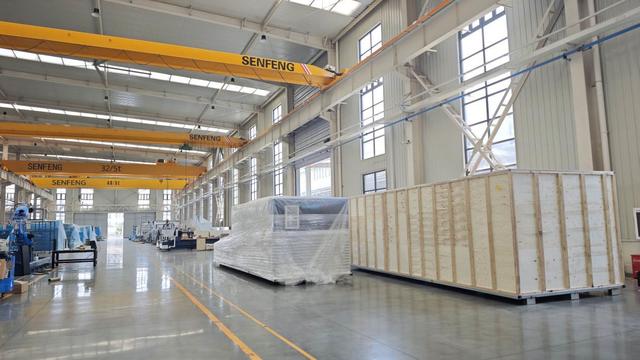
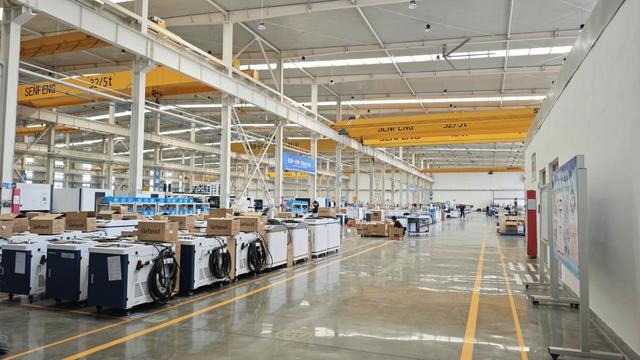
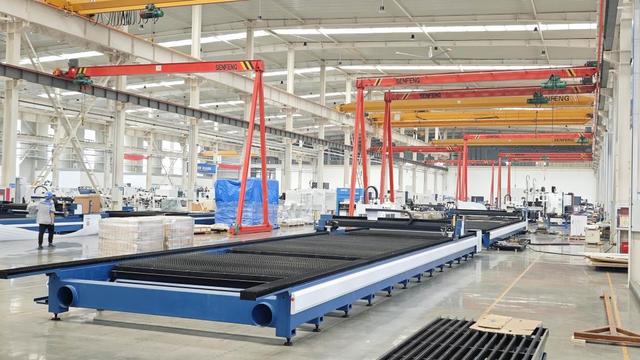
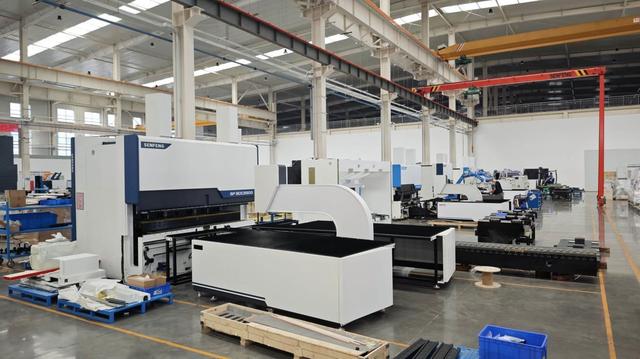
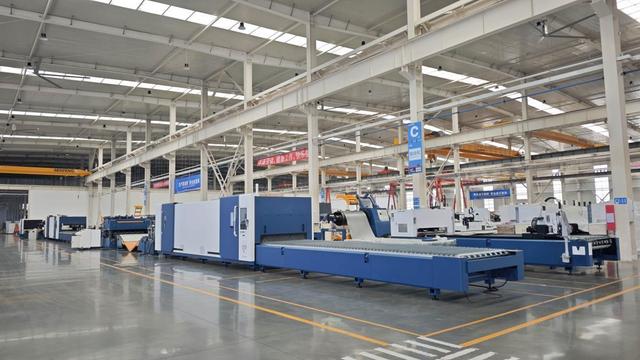
Quality and reliability are fundamental to our manufacturing philosophy. We maintain strict quality control procedures throughout design, production, testing, and delivery to ensure every system meets international performance and safety standards. Our modern manufacturing facilities and experienced technical team enable us to provide consistent quality and dependable service for customers worldwide.
Serving clients across automotive, metal fabrication, machinery manufacturing, construction, aerospace, electronics, and industrial processing sectors, Shanghai Datum Machine Co., Ltd. has established a strong reputation for advanced technology, customized solutions, and responsive customer support. We are committed to becoming a trusted global partner in automation laser cutting, helping manufacturers achieve higher efficiency, smarter production, and sustainable growth through innovative laser processing technologies.
Technical and practical answers to common procurement, maintenance, and engineering questions.
Browse our selection of specialized laser processing platforms, built for heavy-duty metal fabrication and automated setups.