Datum Machine
Datum Machine
Datum Machine
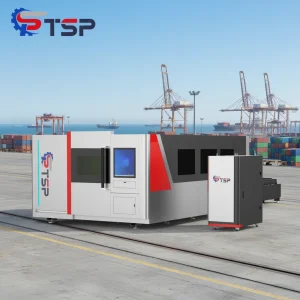
High-performance CNC machinery designed for aerospace-grade accuracy, automation, and long-term production reliability.
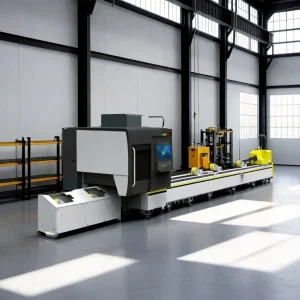
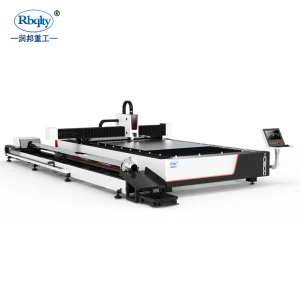
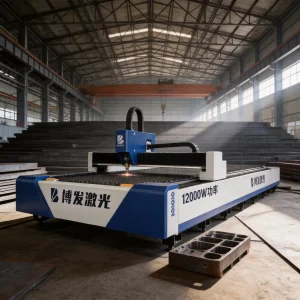
The global aerospace industry is undergoing a structural paradigm shift towards advanced materials that optimize the strength-to-weight ratio, reduce fuel emissions, and withstand extreme thermal and mechanical pressures. Substrates such as titanium alloys (Ti-6Al-4V), nickel-based superalloys (Inconel 718/625), carbon-fiber-reinforced polymers (CFRP), and specialized aerospace-grade aluminum (7000 and 2000 series) have become standard in fuselage, engine, and structural component manufacturing. However, these materials pose immense challenges to conventional mechanical machining: high tool wear, mechanical stress induction, and the limitation of geometries.
This is where CE Certified Laser Cutting Systems play an essential role. Non-contact fiber laser processing eliminates physical cutting forces, preventing micro-cracking and mechanical distortion along the material grain. Modern laser systems achieve narrow kerf widths, minimal thermal input, and high path precision down to the micron level. Under strict regulatory regimes such as the European Union’s Machinery Directive and the global aerospace AS9100 standard, the validation of manufacturing processes is critical. Utilizing a CE certified laser machine ensures that critical performance parameters—such as electromagnetic compatibility (EMC), high-voltage safety (LVD), and optical shielding—are systematically engineered to eliminate risks in heavy industrial environments.
Advanced optical design reduces the Heat Affected Zone (HAZ), preventing structural recrystallization or oxidation along the cut edges of sensitive aerospace superalloys.
Guaranteed compliance with EU Safety Standards (Machinery Directive 2006/42/EC), preventing hazardous radiation leakage and electrical failures.
Real-time telemetry and optical sensor feedback track the behavior of the laser path, beam delivery system, and assist gas pressure dynamically.
Aerospace factories operate within a multi-tiered supply chain framework (OEMs, Tier-1 system builders, and Tier-2 component suppliers). Procurement strategies in this field focus heavily on risk management, total cost of ownership (TCO), and process repeatability. When global exporters evaluate laser systems, their search intent encompasses several core operational vectors:
| Material Classification | Thickness Range | Critical Processing Challenges | Datum Laser Optimization Strategy |
|---|---|---|---|
| Titanium Alloys (Ti-6Al-4V) | 1.0 mm – 12.0 mm | Extreme oxidation risk, high thermal sensitivity | Ultra-pure Nitrogen or Argon gas purging with dynamic pressure feedback |
| Nickel Superalloys (Inconel 718) | 0.8 mm – 8.0 mm | Work hardening, high melting point micro-dross | High-frequency pulse modulation, customized nozzle designs |
| Aerospace Aluminum (7075-T6) | 1.5 mm – 20.0 mm | High reflectivity, thermal expansion distortion | Anti-reflection optical isolators, high-wattage fiber resonators |
| High-Strength Structural Steel | 2.0 mm – 25.0 mm | Bevel angles, thick plate slag accumulation | Intelligent automatic adjustment of beam mode and gas flow |
Modern aerospace manufacturing has evolved beyond standalone machines to embrace integrated, intelligent ecosystems. Shanghai Datum Machine Co., Ltd. addresses this transition by designing unified production lines where high-power fiber laser cutters communicate directly with automated material storage complexes and robotic loading arms. These systems run on integrated factory networks, allowing CAD/CAM instructions from engineering offices to guide materials through the cutting, sorting, and downstream bending or welding processes without manual intervention.
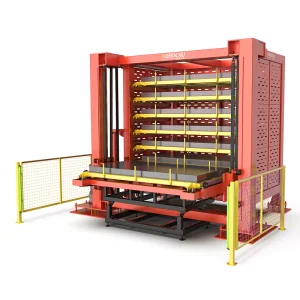
For instance, integrating the Automated Sheet Storage Rack with Smart Robot Loading ensures that raw metal plates are systematically categorized, selected, and delivered to the exchange platform of a 20kW fiber laser cutter. Simultaneously, intelligent tracking sensors monitor material usage and send real-time inventory updates to the factory ERP. This macro integration drastically cuts cycle times, prevents human handling damage to sensitive sheet finishes, and maintains absolute processing consistency.
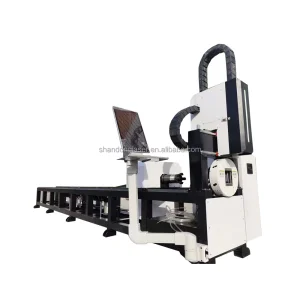
The roadmap for aerospace laser processing points toward higher power levels, multi-dimensional movements, and hybrid processing systems. As aerospace structural frames increasingly rely on complex extrusion profiles, H-beams, and curved panels, traditional 2D flatbed laser machines are giving way to advanced 3D 5-Axis CNC Laser Cutters. These systems dynamically shift the focal point in five degrees of freedom, enabling precise angled beveling, contoured pipe profiling, and hole drilling across three-dimensional workpieces in a single setup.
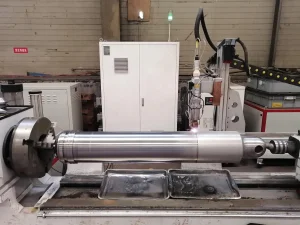
Furthermore, the development of industrial laser cladding systems (such as the Reinforced Durable Smart High Speed Advanced Laser Cladding System) represents a major step forward for repair operations. Turbine blades, compressor disks, and landing gear components are subjected to immense friction and thermal wear. Instead of scrapping these high-cost parts, aerospace factories use cladding technology to deposit high-performance superalloy powders directly onto worn areas, using a laser beam to fuse the materials. This process restores original dimensions with a metallurgical bond that matches or exceeds the base material’s original properties. Looking further ahead, integrating real-time optical coherence tomography (OCT) will allow for inline, closed-loop control of both cut quality and cladding depth, signaling a new era of self-correcting laser systems.
Deploying heavy industrial machinery globally demands rigorous technical validation, regulatory compliance, and a strong engineering foundation. At Shanghai Datum Machine Co., Ltd., E-E-A-T (Experience, Expertise, Authoritativeness, Trustworthiness) is the foundation of our engineering and customer relations. Every machine we export undergoes thorough testing, including thermal profiling of the CNC cabinets, laser safety cabinet radiation leak tests, and optical path alignment calibration.
We guarantee compliance with European Union directives through third-party CE certifications covering the Machinery Directive 2006/42/EC, the Low Voltage Directive 2014/35/EU, and the EMC Directive 2014/30/EU. Our local commissioning teams, supported by field service engineers and certified local partners in Europe, the Americas, and Southeast Asia, handle installation, regulatory sign-offs, and operator training on-site. This ensures that aerospace factories can quickly integrate our machinery into their production lines with minimal disruption, secure in the knowledge that they are backed by global technical support.
Shanghai Datum Machine Co., Ltd. is a professional China automation laser cutting manufacturer specializing in fiber laser cutting systems, CNC cutting solutions, and smart manufacturing equipment for global industrial customers. With extensive experience in advanced manufacturing technologies, we are dedicated to providing high-performance automation solutions that improve productivity, precision, and operational efficiency across a wide range of industries.
Our product portfolio includes fiber laser cutting systems, CNC laser cutting equipment, tube laser cutting machines, sheet metal processing solutions, robotic laser cutting systems, automated loading and unloading systems, laser production lines, and customized manufacturing automation solutions. Designed to meet the evolving demands of modern factories, our equipment delivers exceptional cutting accuracy, high-speed performance, reduced material waste, and reliable long-term operation. At Datum Machine, innovation is at the center of our development strategy. Our engineering team continuously integrates intelligent control technologies, automation systems, and advanced manufacturing concepts to help customers build more efficient and flexible production environments. From standalone laser cutting equipment to fully integrated smart factory solutions, we provide comprehensive support tailored to each customer's production requirements.
Quality and reliability are fundamental to our manufacturing philosophy. We maintain strict quality control procedures throughout design, production, testing, and delivery to ensure every system meets international performance and safety standards. Our modern manufacturing facilities and experienced technical team enable us to provide consistent quality and dependable service for customers worldwide. Serving clients across automotive, metal fabrication, machinery manufacturing, construction, aerospace, electronics, and industrial processing sectors, Shanghai Datum Machine Co., Ltd. has established a strong reputation for advanced technology, customized solutions, and responsive customer support. We are committed to becoming a trusted global partner in automation laser cutting, helping manufacturers achieve higher efficiency, smarter production, and sustainable growth through innovative laser processing technologies.
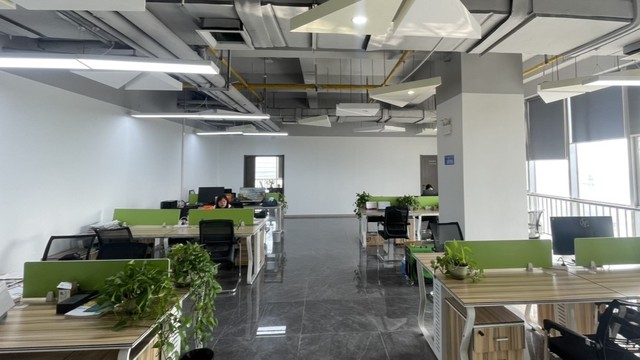
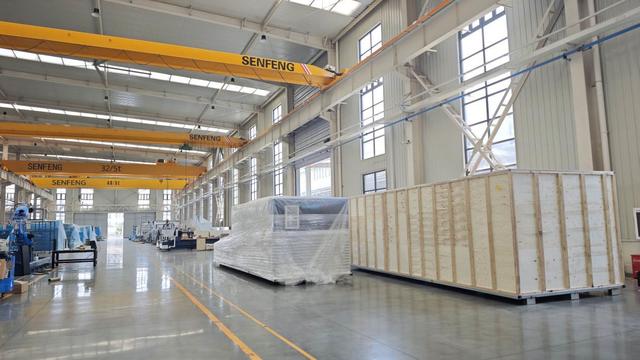
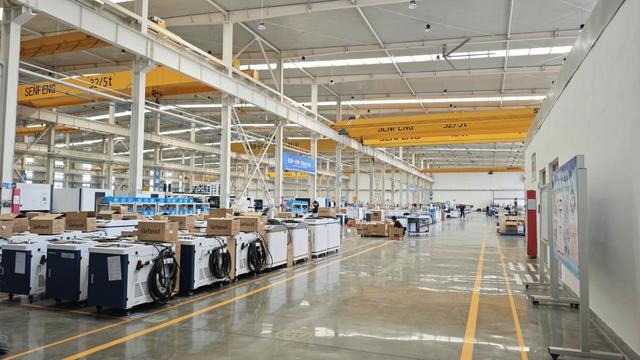
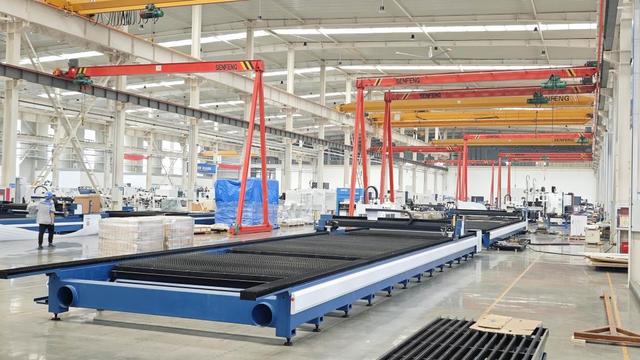
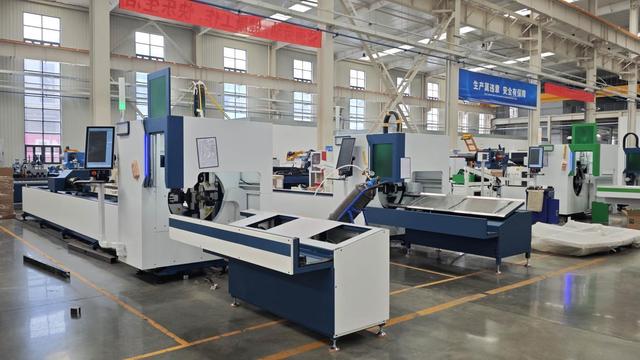
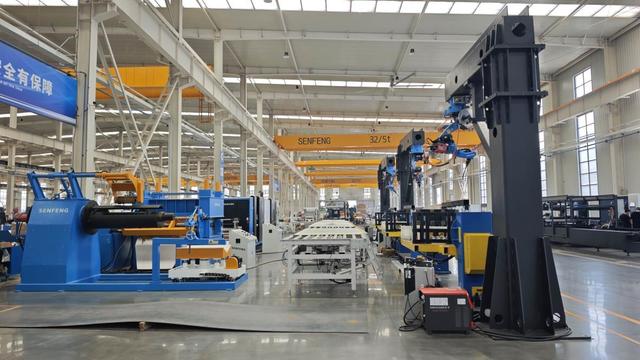
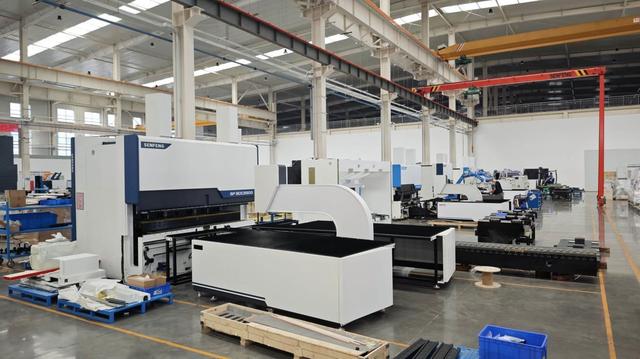
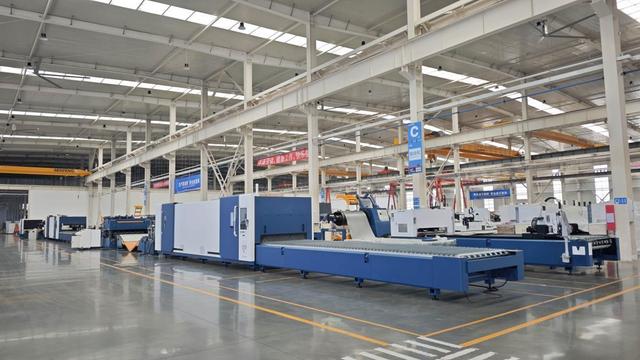
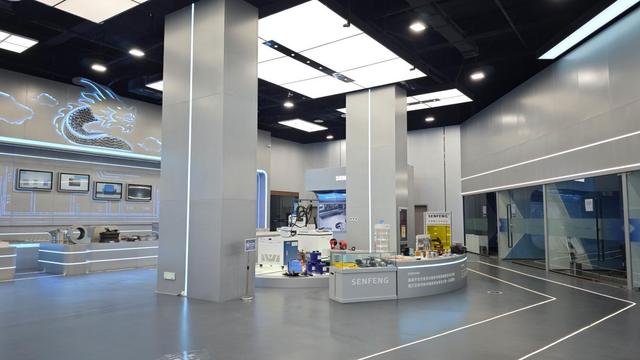
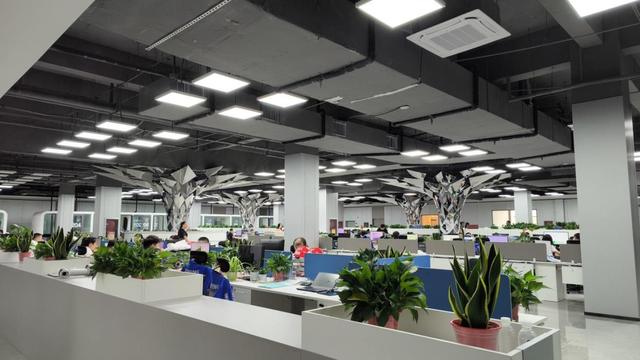
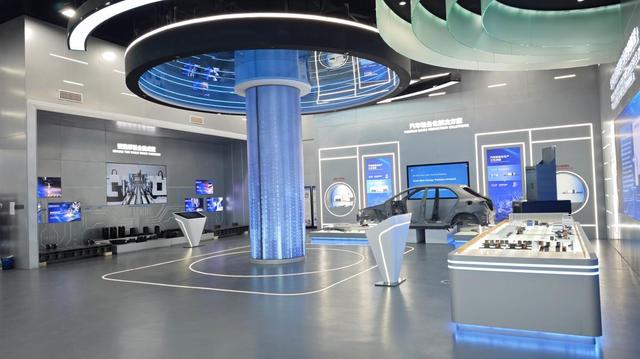
Take a closer look at our high-standard assembly floors, clean room laser alignment bays, and heavy machining centers located in our main production complex:
CE certification confirms that the laser cutting system complies with key safety and environmental standards in the European Economic Area. For aerospace factories, this ensures that the machinery has passed rigorous tests for electromagnetic compatibility (avoiding interference with nearby avionics testing systems), electrical safety (LVD), and optical shielding. Class 4 laser cabins are fully enclosed to prevent the escape of scattered light, protecting workers and keeping the facility in line with insurance and occupational safety audits.
For aerospace titanium alloys, high-purity Nitrogen or Argon is required to prevent oxidation and keep the cut edge clean. Using oxygen is not recommended for titanium because it causes a brittle, oxide-rich surface layer (alpha-case) that can lead to structural failure under stress. For nickel-based superalloys like Inconel, high-pressure nitrogen is typically used to blow the molten metal out of the cut, ensuring a clean finish with minimal dross.
We minimize the HAZ by combining highly concentrated fiber laser beams with advanced CNC control software. Our systems feature pulse modulation, which controls thermal energy input per millisecond. This allows the laser to melt and blow away the material instantly, before heat can spread to the surrounding metal. Specialized cooling nozzles and optimized gas flow also help keep the material cool during processing.
Yes. Our CNC laser systems use open, industrial-standard communication protocols (like OPC UA) that connect directly with third-party MES, ERP, and smart warehouse networks. This enables real-time tracking of processing data, machine health, material usage, and diagnostic logs, making it easier to integrate our equipment into modern, digital factories.
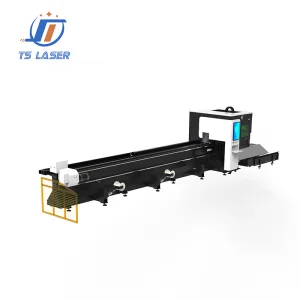
A three-chuck design provides continuous physical support for long, heavy tubes, reducing vibration and tube sag. It also enables "zero-tailing" cutting, meaning the machine can cut right up to the end of the tube without wasting material. This is particularly valuable when working with expensive aerospace structural tubing, where minimizing scrap is critical.
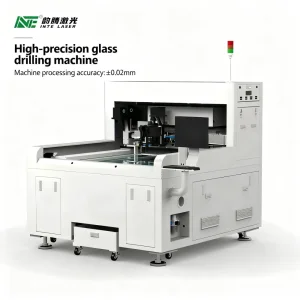
Advanced structural, glass, and cladding equipment completing our high-performance manufacturing lineup.