Datum Machine
Datum Machine
Datum Machine
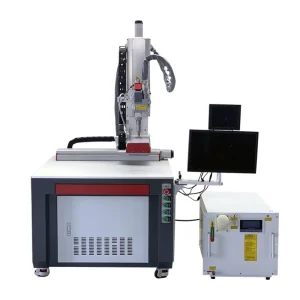
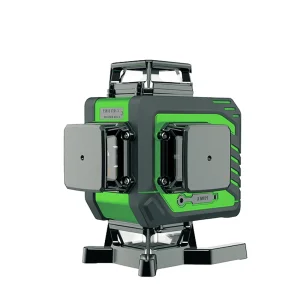
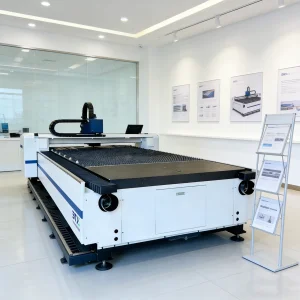
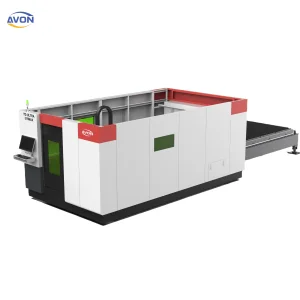
Explore our leading smart fusion, rotary laser instruments, sheet-metal CNC platforms, and multi-axis processing machines.
How Shanghai Datum Machine Co., Ltd. is bridging the gap between hardware precision and intelligent control.
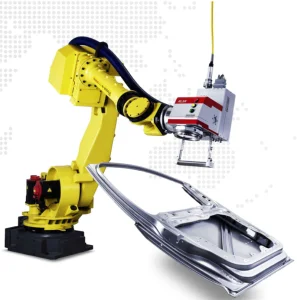
In modern structural manufacturing, the limitation of traditional two-dimensional profile processing has long been a bottleneck for high-value industries. The shift toward 3D robotic and 5-axis laser cutting represents a fundamental paradigm shift. Instead of flat Cartesian kinematics, modern robotic systems utilize multi-axis articulated arms coupled with custom kinematic algorithms to execute complex processing paths across curved, hydroformed, or pressed structural geometries.
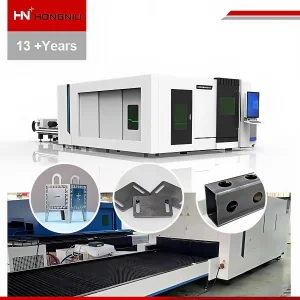
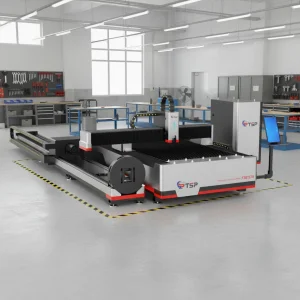
As a premier China automation laser cutting manufacturer, Shanghai Datum Machine Co., Ltd. specializes in fiber laser cutting systems, CNC cutting solutions, and smart manufacturing equipment for global industrial customers. With extensive experience in advanced manufacturing technologies, we are dedicated to providing high-performance automation solutions that improve productivity, precision, and operational efficiency across a wide range of industries.
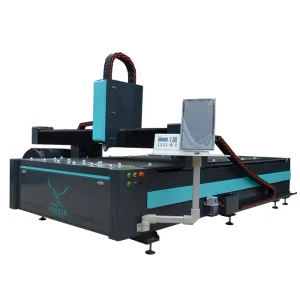
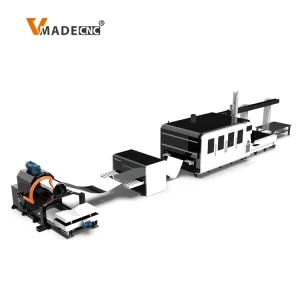
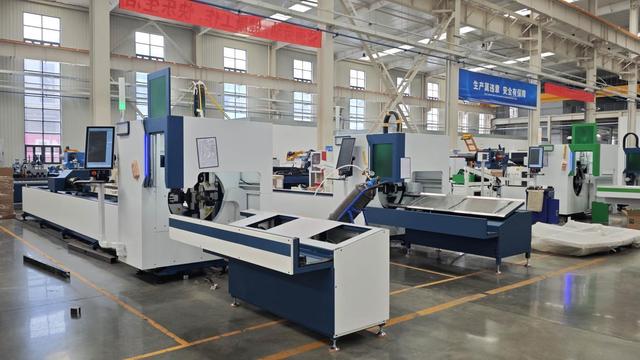
Our comprehensive portfolio includes fiber laser cutting systems, CNC laser cutting equipment, tube laser cutting machines, sheet metal processing solutions, robotic laser cutting systems, automated loading and unloading systems, laser production lines, and customized manufacturing automation solutions. Designed to meet the evolving demands of modern factories, our equipment delivers exceptional cutting accuracy, high-speed performance, reduced material waste, and reliable long-term operation.
Why compliance is the cornerstone of structural reliability, occupational safety, and global market access.
For international industrial buyers, importing high-power laser systems requires stringent compliance frameworks. The CE Certification (Conformité Européenne) serves as a validation that manufacturing equipment meets EU safety, health, and environmental protection requirements. When sourcing a 3D laser cutting machine, compliance must cross-reference multiple underlying directives:
Ensures that the structural mechanics, articulated arms, and high-velocity gantry systems possess adequate physical shielding, emergency arrest mechanisms, and structural loading margins.
Governs electrical architecture (2014/35/EU) and Electromagnetic Compatibility (2014/30/EU), preventing electromagnetic interference from disrupting controller systems or external plant electronics.
Defines mechanical interlocks, laser safety enclosures, protective viewport ratings, and active light-path suppression systems necessary for Class IV industrial laser operation.
At Datum Machine, innovation is at the center of our development strategy. Our engineering team continuously integrates intelligent control technologies, automation systems, and advanced manufacturing concepts to help customers build more efficient and flexible production environments. From standalone laser cutting equipment to fully integrated smart factory solutions, we provide comprehensive support tailored to each customer's production requirements.
How supply chain vertical integration, advanced annealing processes, and cost efficiency merge to generate unmatched value.
China has evolved from a simple assembly hub to the epicenter of precision laser engineering. When sourcing 3D fiber laser cutting systems from Shanghai Datum Machine Co., Ltd., procurement teams gain access to profound structural advantages:
Understanding the transition to high-wattage sources, 5-axis RTCP integration, and autonomous optical path control.
The global 3D laser processing market is undergoing a significant transition. Traditional CO2 laser architectures are being replaced by ultra-high-power fiber lasers (ranging from 6kW to 20kW+). These systems offer significantly higher electrical-to-optical conversion efficiency (up to 40%) compared to older gas systems (which average around 10%). Below is a direct comparison of current methodologies in high-capacity manufacturing.
| Feature Parameter | Traditional 2D Fiber Laser | Robotic 3D Fiber System (Articulated) | 5-Axis Linkage Gantry System |
|---|---|---|---|
| Spatial Freedom | X / Y / Z Cartesian Plane | 6-Axis Articulated Robot Arm | XYZ + Dual-Axis Rotary Head (A/B or A/C) |
| Typical Accuracy | ±0.05 mm | ±0.08 mm to ±0.1 mm | ±0.03 mm to ±0.05 mm |
| Material Versatility | Flat sheets only | Curved profiles, structural tubes, stamping | Deep-drawn parts, heavy hydroformed tubes |
| Cycle Flexibility | Low customization potential | High layout flexibility | Dedicated, extremely fast processing speeds |
| Best Applications | Plate profiling | Automotive BIW, stamping trim lines | Aerospace, heavy structural components |
Our design philosophy places strict emphasis on the integration of RTCP (Rotation Tool Center Point) algorithms. RTCP calculations dynamically adjust the physical orientation of the cutting nozzle in real time while maintaining the focal spot at the exact material coordinate. This keeps the laser beam perpendicular to the target surface, preventing edge tapering and minimizing thermal stress on the material.
Exploring specialized applications across major global industrial sectors.
Processing hot-stamped boron steel components requires high-speed, dynamic cutting systems. Traditional mechanical punch-dies are costly to modify and prone to wear, making 3D robotic fiber laser cutting the industry standard for precise trimming and hole punching.
Modern commercial aviation relies on thin-walled structural members, complex ducting, and engine shroud components. Precise spatial positioning of the laser head prevents structural micro-fracturing and maintains tight engineering tolerances.
Processing thick-walled structural steel tubing, intersections, and structural joints requires high-speed, heavy-duty processing systems. Automated loading systems feed large materials into dynamic chucks, reducing labor costs and cycle times.
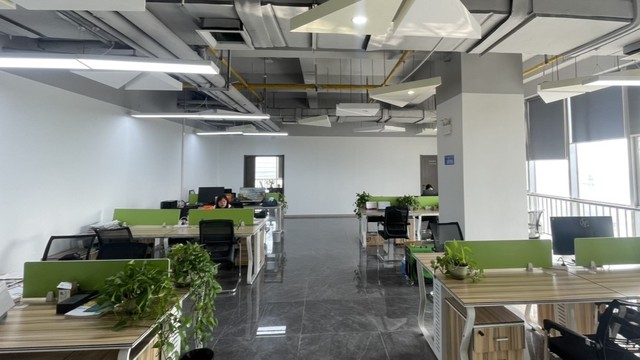
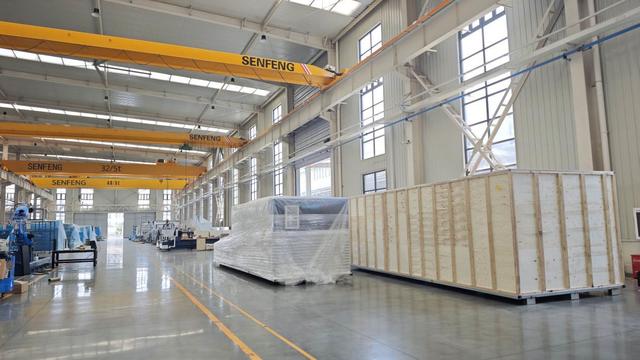
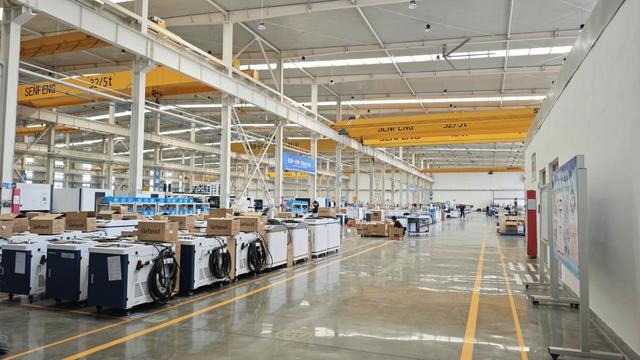
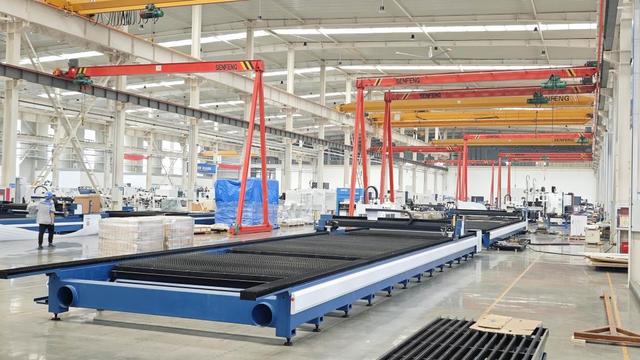
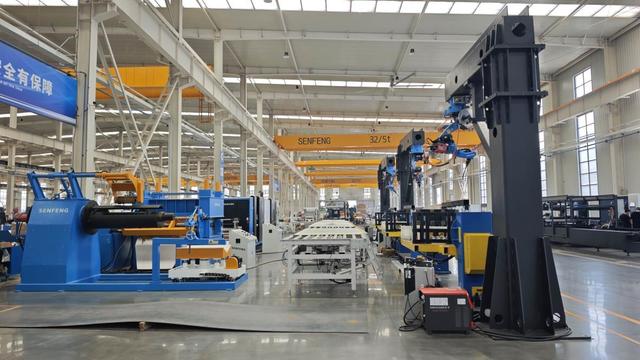
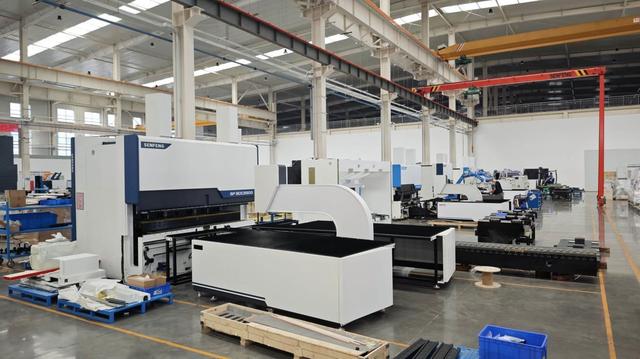
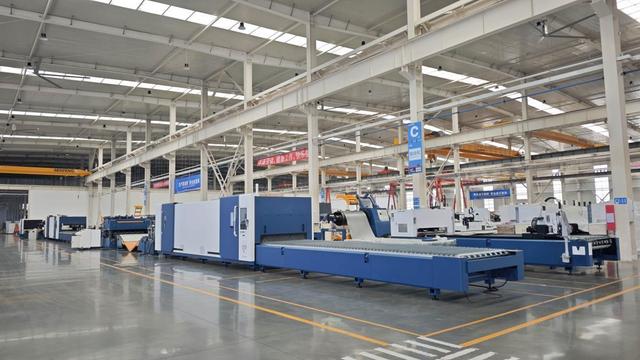
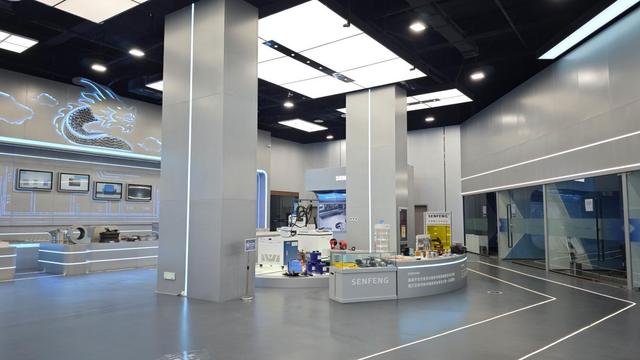
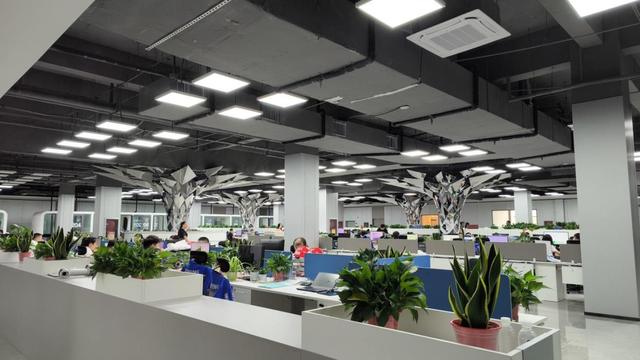
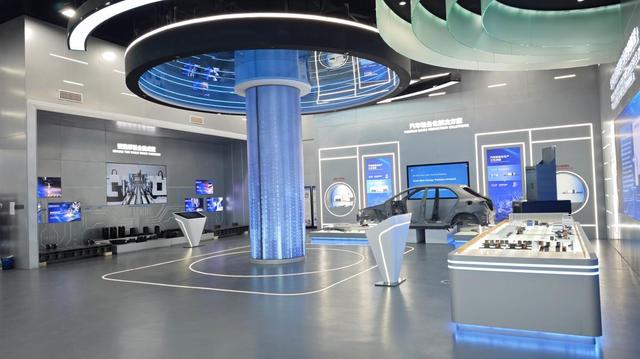
Quality and reliability are fundamental to our manufacturing philosophy. We maintain strict quality control procedures throughout design, production, testing, and delivery to ensure every system meets international performance and safety standards. Our modern manufacturing facilities and experienced technical team enable us to provide consistent quality and dependable service for customers worldwide.
Vetting industrial equipment suppliers: a structured checklist for international procurement teams.
Purchasing high-value capital equipment from overseas requires systematic validation of quality, support, and engineering capabilities. To mitigate supply chain risks, procurement teams should follow a structured verification process:
Verify manufacturers of laser sources, servo drives, and controllers (e.g. Raycus, IPG, CypCut, Yaskawa).
Request documentation of the frame annealing cycle to ensure long-term structural stability under continuous operation.
Perform Factory Acceptance Tests (FAT) using customer-supplied materials to verify dimensional accuracy and feed rates.
Serving clients across automotive, metal fabrication, machinery manufacturing, construction, aerospace, electronics, and industrial processing sectors, Shanghai Datum Machine Co., Ltd. has established a strong reputation for advanced technology, customized solutions, and responsive customer support. We are committed to becoming a trusted global partner in automation laser cutting, helping manufacturers achieve higher efficiency, smarter production, and sustainable growth through innovative laser processing technologies.
Addressing engineering questions about 3D fiber laser cutting systems, gas usage, and structural longevity.
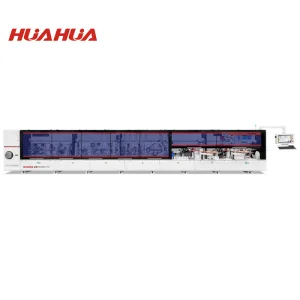
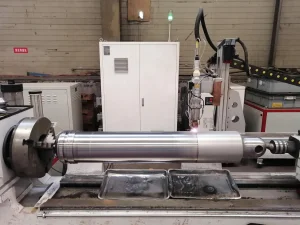
Explore our heavy-duty CNC fiber cutters, automatic edge banders, laser cladding systems, and high-power cutting robots.