Datum Machine
Datum Machine
Datum Machine
In the rapidly escalating landscape of global industrial automation, fiber optical cutting technology has emerged as the definitive standard for processing ferrous and non-ferrous metals. Unlike conventional CO2 lasers or mechanical die-cutting methods, fiber lasers transmit high-density energy through flexible optical cables directly to the cutting head. This structural paradigm results in thermal efficiency curves exceeding 35%, cutting velocities up to five times faster on thin substrates, and near-zero optical misalignment hazards.
For international industrial buyers, sourcing from the right China fiber optical cutting technology factories is no longer just a cost-reduction tactic—it is a core strategy to access advanced engineering designs, highly integrated software platforms, and comprehensive structural customizability. This white paper analyzes the engineering benchmarks, supply-chain mechanics, compliance frameworks, and key factory attributes that define top-tier Chinese laser manufacturers, with specific technical context from industry leaders such as Shanghai Datum Machine Co., Ltd.
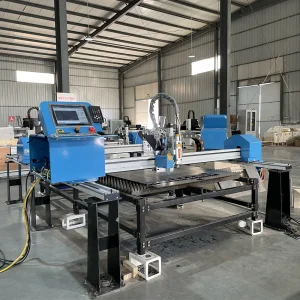
Shanghai Datum Machine Co., Ltd. is a professional China automation laser cutting manufacturer specializing in fiber laser cutting systems, CNC cutting solutions, and smart manufacturing equipment for global industrial customers. With extensive experience in advanced manufacturing technologies, the company is dedicated to providing high-performance automation solutions that improve productivity, precision, and operational efficiency across a wide range of industries.
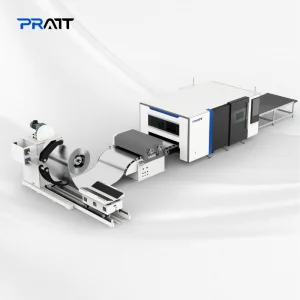
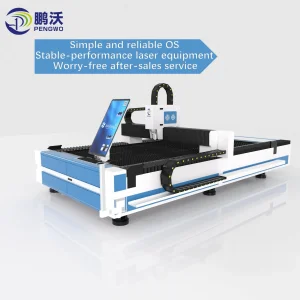
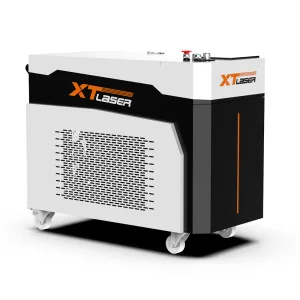
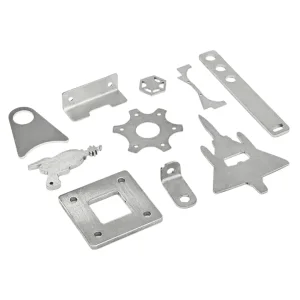
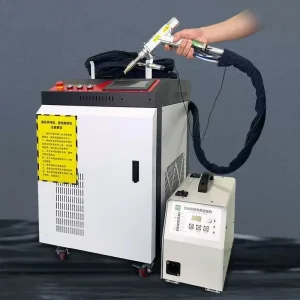
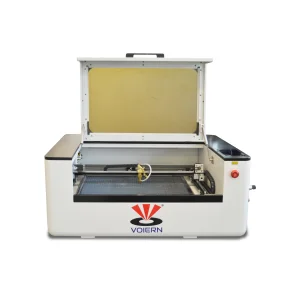
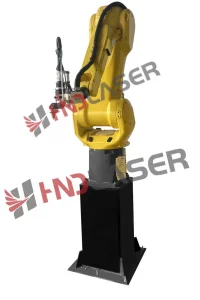
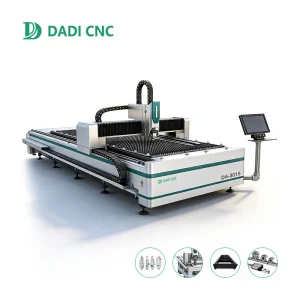
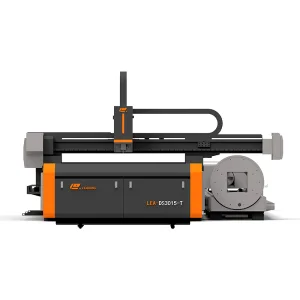
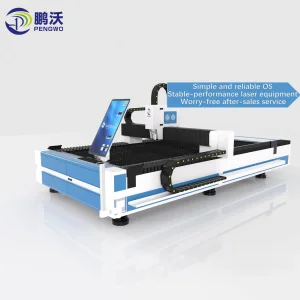
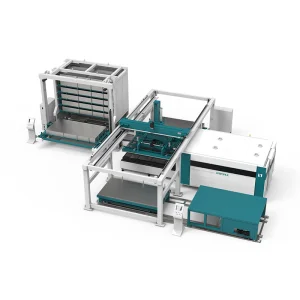
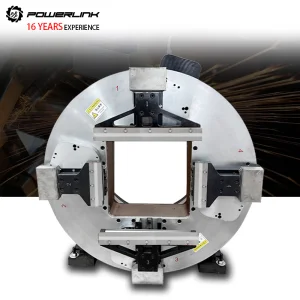
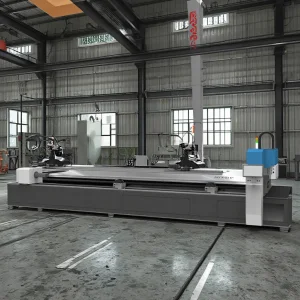
The product portfolio includes fiber laser cutting systems, CNC laser cutting equipment, tube laser cutting machines, sheet metal processing solutions, robotic laser cutting systems, automated loading and unloading systems, laser production lines, and customized manufacturing automation solutions.
Innovation sits at the center of the development strategy. Engineering teams continuously integrate intelligent control technologies, automated CAD/CAM nesting, and advanced manufacturing concepts to establish flexible, autonomous production environments.
Maintaining strict quality control procedures throughout design, machining, assembly, inspection, and dispatch ensures every machine complies with international performance, electromagnetic compatibility, and radiation safety regulations.
Serving clients across automotive, metal fabrication, machinery manufacturing, construction, aerospace, electronics, and industrial processing sectors, Shanghai Datum Machine Co., Ltd. has established a strong reputation for advanced technology, customized solutions, and responsive customer support. The factory is committed to becoming a trusted global partner in automation laser cutting, helping manufacturers achieve higher efficiency, smarter production, and sustainable growth through innovative laser processing technologies.
The concentration of optoelectronic and mechanical engineering expertise in China—specifically within the Yangtze River Delta and Pearl River Delta manufacturing hubs—has cultivated an unparalleled industrial ecosystem. This concentration yields massive advantages in component sourcing, rapid prototyping, and engineering customization.
Chinese factories leverage immediate physical proximity to world-class suppliers of laser generators (such as Raycus, Maxphotonics, and IPG branches), cutting heads (Raytools, Precitec), and CNC systems (Cypcut, Beckhoff). This enables rapid parts replacement, tight design integration, and highly competitive pricing models.
Unlike factories in regions that rely on lightweight sheet-metal frames, leading China factories utilize heavy-duty, stress-relieved gantry beds fabricated from high-tensile cast iron or welded steel plates. These beds undergo thermal annealing at temperatures exceeding 600°C to eliminate residual internal stresses, securing decades of geometric stability.
By producing thousands of laser cutting systems annually, Chinese manufacturers realize massive economies of scale. These savings are reinvested directly into R&D, enabling factories to offer bespoke gantry sizes, dual-pallet automated exchange tables, and integrated 6-axis robotic interfaces without prohibitive cost premiums.
At the molecular level, fiber laser technology operates at a wavelength of approximately 1.064 microns. This short wavelength features an absorption rate in metals that is significantly higher than that of CO2 laser light (10.6 microns). This difference provides critical processing advantages:
Advanced fiber optical cutting technologies are engineered to address specific application parameters across diverse industrial sectors. Top factories calibrate laser dynamics to match these specific requirements:
Processing superalloys, titanium, and advanced structural aluminum sheets requires zero thermal distortion and extreme precision. Automated systems utilizing 6-axis robotic arms and specialized CAD algorithms deliver micro-machining accuracy within ±0.05mm tolerances.
From high-volume automotive chassis components to body panels, integrated fiber laser systems offer the speed and repeatability required for modern automotive production lines. Pallet changers and intelligent nesting software keep cycle times to a minimum.
Thick carbon steel plates used in shipbuilding, construction machinery, and industrial boilers demand continuous high-power outputs of 12kW to 30kW. High-power systems cut through heavy steel while maintaining stable, clean perpendicular cuts.
When importing heavy industrial machinery from China, global procurement agents must verify compliance with local safety and environmental standards. Reputable factories design and build systems to meet international regulations, ensuring smooth customs clearance and safe operation:
Machines must display the CE mark for European markets and conform to UL/CSA standards for North America. This includes the integration of safety PLC modules, dual-channel interlock switches, and Class 1 laser-safe enclosure windows.
Industrial exhaust filtration systems are essential for managing fine particulate emissions generated during metal vaporization. Advanced dust-extraction systems isolate exhaust chambers dynamically based on the current location of the cutting head.
Factory power grids vary significantly worldwide (e.g., 380V/50Hz in Europe/Asia vs 480V/60Hz in the US). Premium manufacturers provide integrated, high-capacity transformers and stabilizers configured to match the local grid parameters of the destination facility.
High machinery uptime is critical to manufacturing profitability. Leading Chinese laser manufacturers support their equipment through comprehensive, localized post-sales networks:
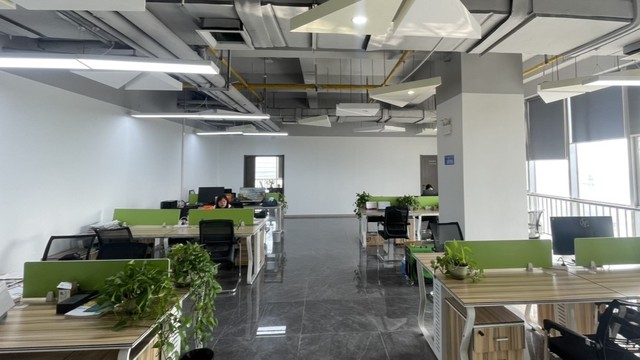
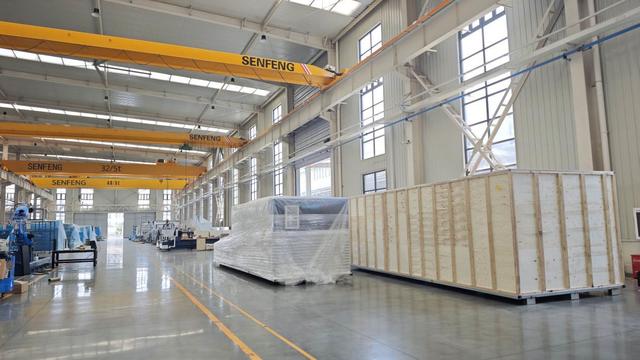
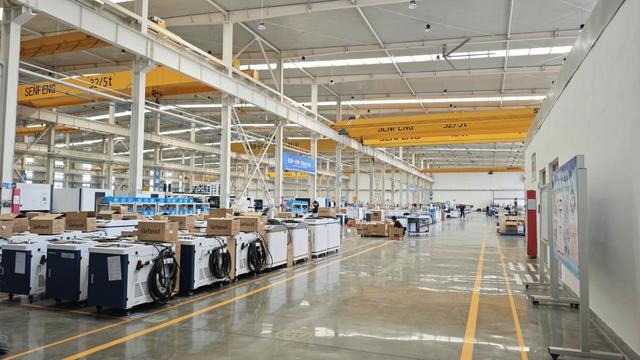
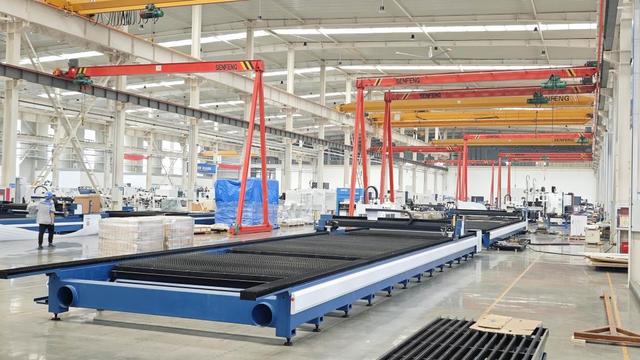
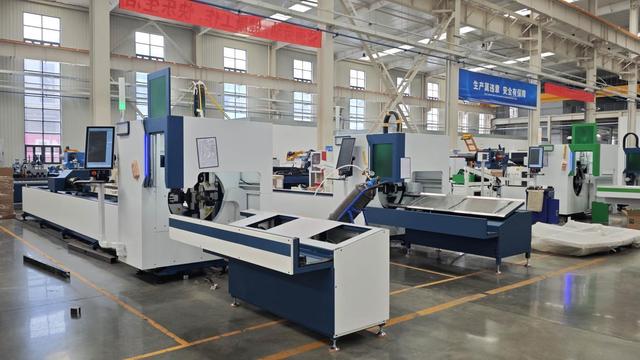
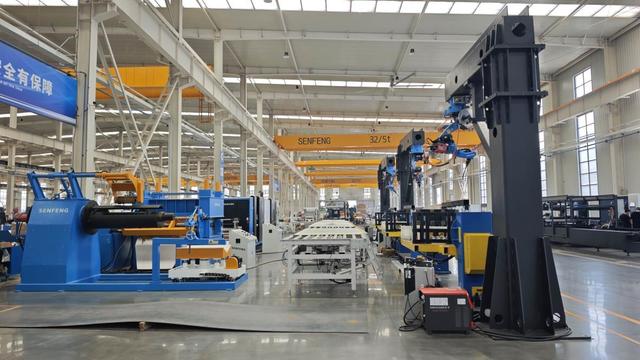
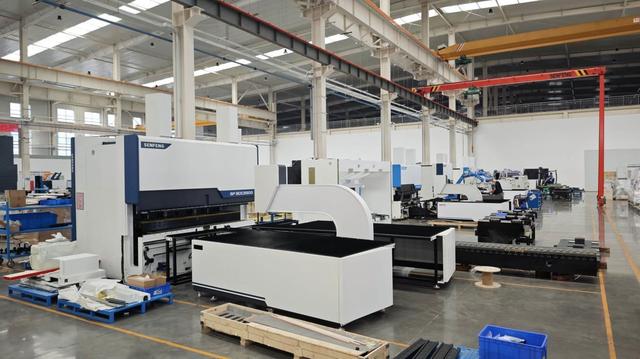
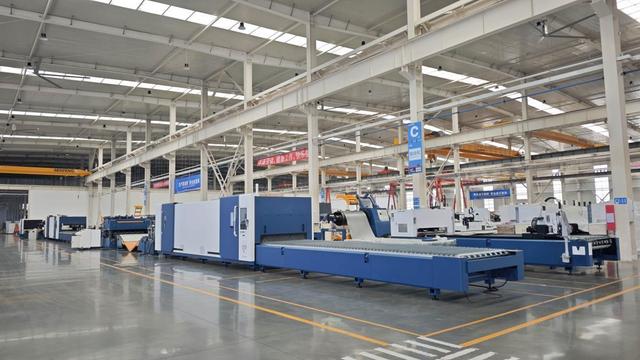
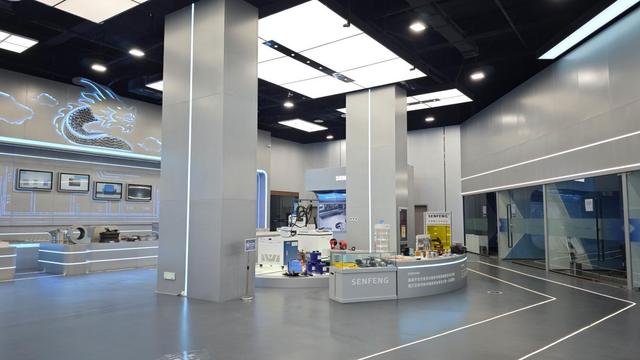
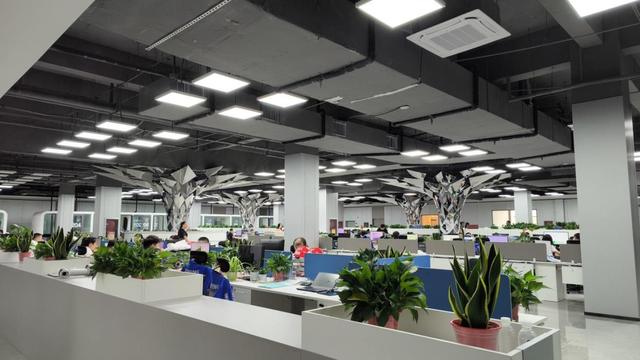
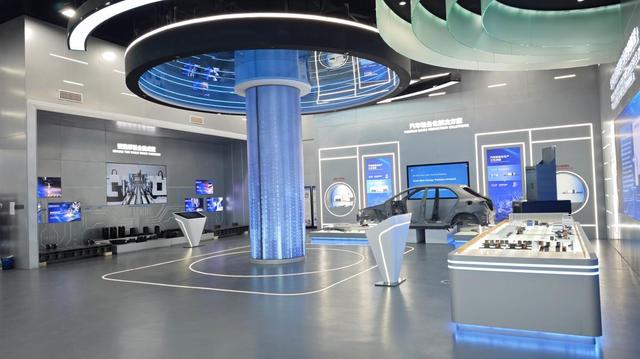
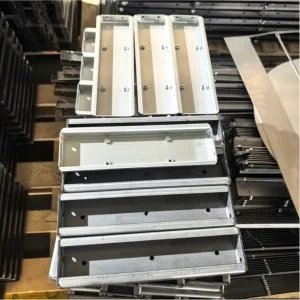
Below is a detailed visual overview of modern manufacturing processes, highlighting the assembly areas, strict quality control procedures, and final testing operations at our advanced production facilities.