Datum Machine
Datum Machine
Datum Machine
Explore high-precision CNC cutters, sheet metal bend-welding systems, and specialized industrial laser lines optimized for modern smart manufacturing factories.
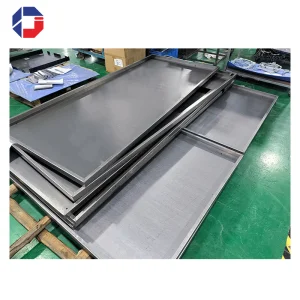
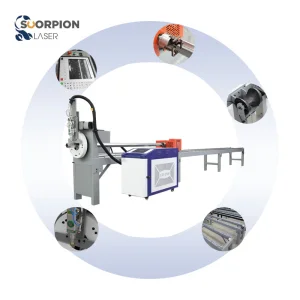
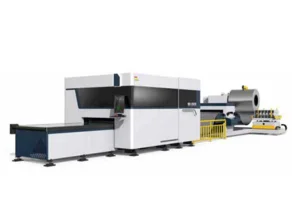
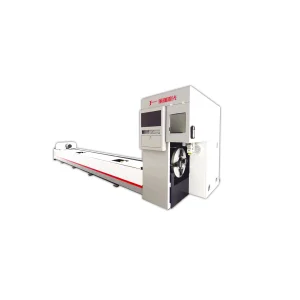
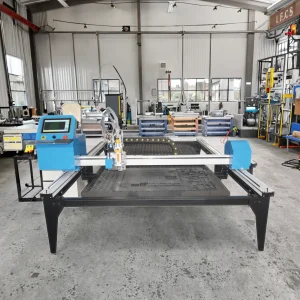
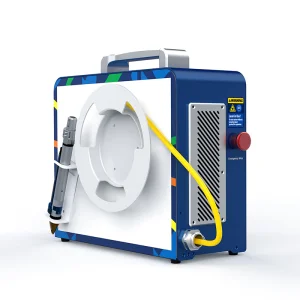
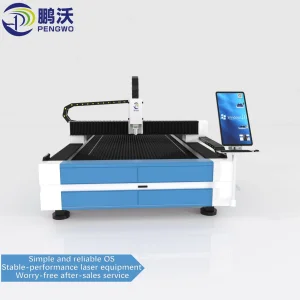
In the current industrial epoch, Fiber Laser Technology has effectively replaced traditional CO2 and Nd:YAG laser technologies as the dominant force in metal cutting, welding, and surface treatment. Operating at wavelengths typically ranging from 1060nm to 1080nm, fiber lasers provide an absorption profile in metals that is significantly superior to CO2 systems. For instance, the wall-plug efficiency (WPE) of modern fiber lasers routinely exceeds 30–35%, whereas legacy carbon dioxide configurations rarely reach beyond 10%. As global supply chains prioritize digital intelligence and energy decarbonization, selecting an elite fiber laser manufacturer is no longer simply about capital cost reduction—it is a critical determination of operational uptime, beam quality stability, and software compatibility.
This whitepaper delivers a comprehensive assessment of the **Top 10 Fiber Laser Technology Suppliers & Exporters** globally, with a specific focus on structural manufacturing advantages, technological convergence (including AI-driven motion planning), and localized deployment profiles. Key industrial players such as IPG Photonics, Bystronic, Trumpf, Amada, and **Shanghai Datum Machine Co., Ltd.** represent the vanguard of this sector, balancing precision mechanical assemblies with robust fiber laser engines to optimize Return on Investment (ROI) for global procurers.
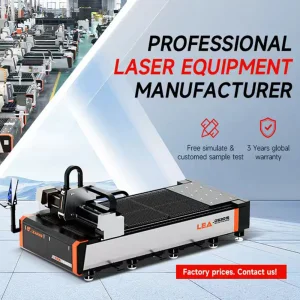
Integrating high-efficiency automation with superior structural engineering, Shanghai Datum Machine Co., Ltd. is a professional China automation laser cutting manufacturer specializing in fiber laser cutting systems, CNC cutting solutions, and smart manufacturing equipment for global industrial customers. With extensive experience in advanced manufacturing technologies, we are dedicated to providing high-performance automation solutions that improve productivity, precision, and operational efficiency across a wide range of industries.
Our comprehensive product portfolio includes:
At Datum Machine, innovation is at the center of our development strategy. Our engineering team continuously integrates intelligent control technologies, automation systems, and advanced manufacturing concepts to help customers build more efficient and flexible production environments. From standalone laser cutting equipment to fully integrated smart factory solutions, we provide comprehensive support tailored to each customer's production requirements. We maintain strict quality control procedures throughout design, production, testing, and delivery to ensure every system meets international performance and safety standards. Our modern manufacturing facilities and experienced technical team enable us to provide consistent quality and dependable service for customers worldwide.
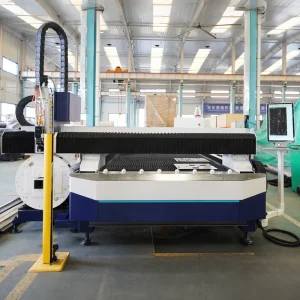
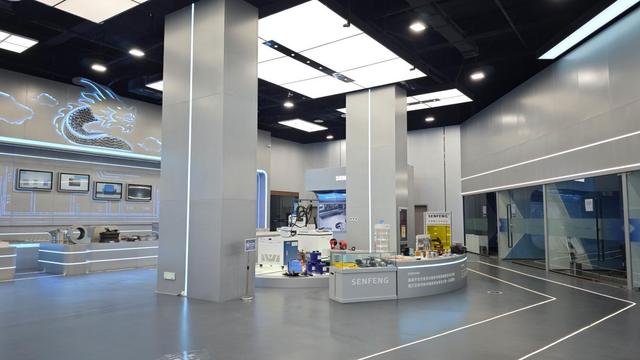
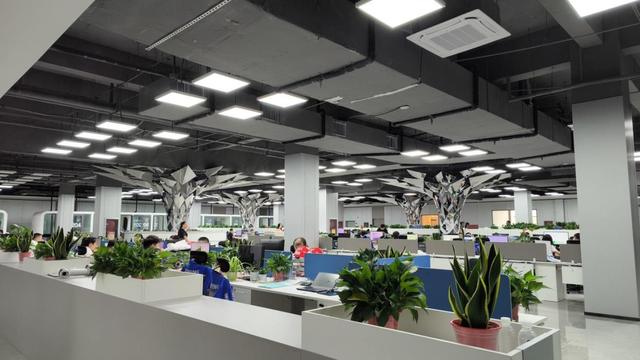
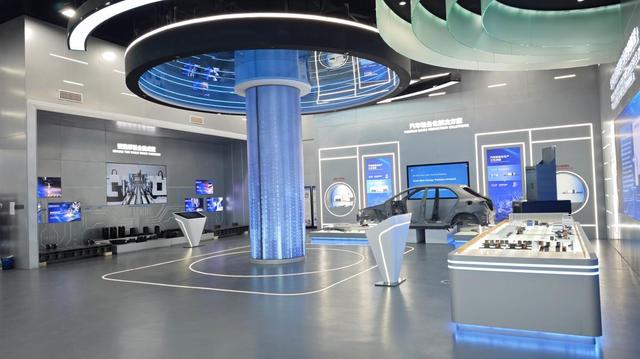
Our advanced fabrication workshops, strict assembly lines, and global testing facilities ensure compliance with demanding global tolerances:
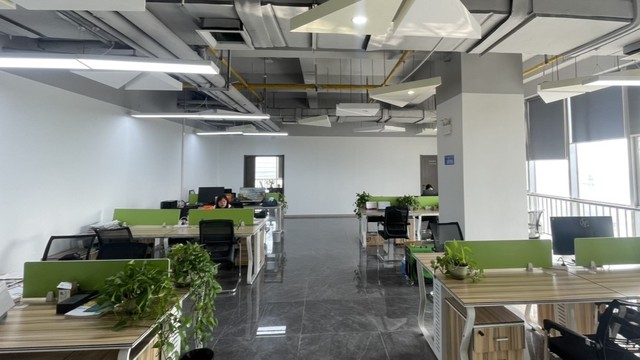
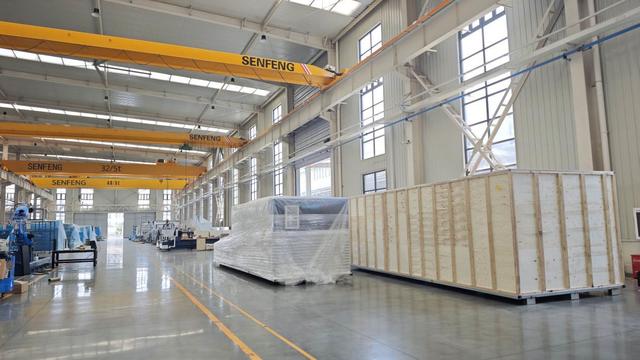
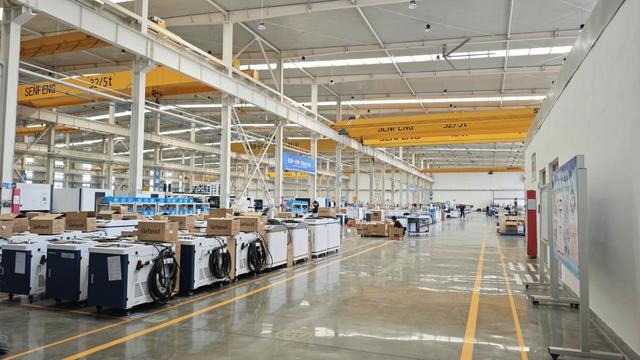
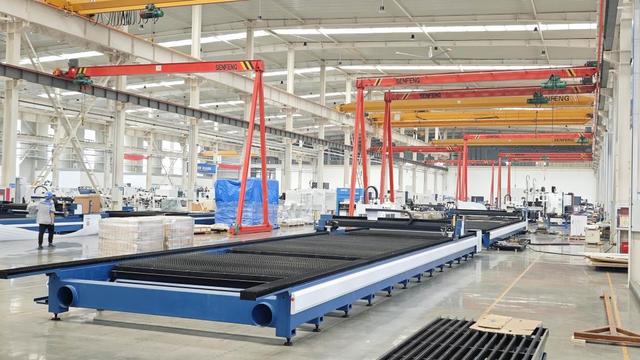
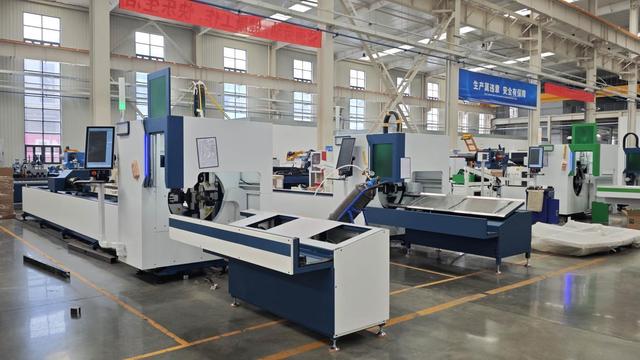
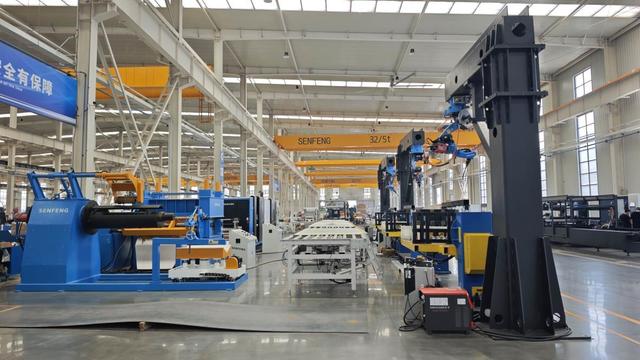
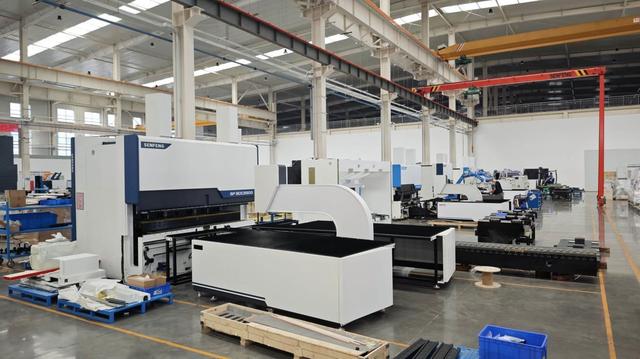
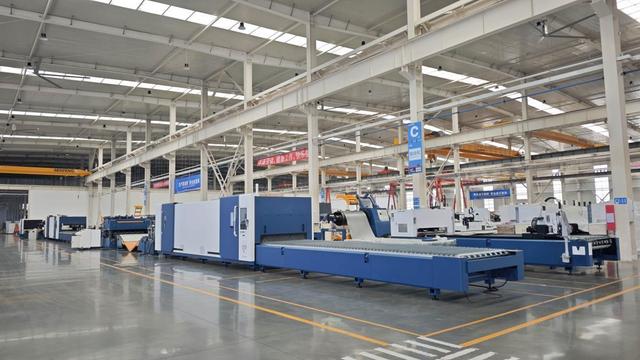
In the global market for fiber laser machines, Chinese manufacturers—specifically those based in major industrial hubs like Jinan, Shenzhen, and Shanghai—have evolved from regional assembly shops into core innovators of fiber laser technology. This shift is driven by three main factors:
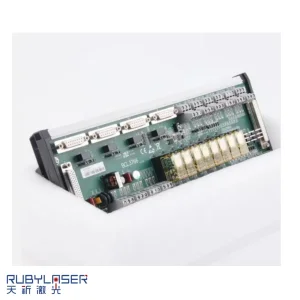
Chinese factories are located within complete industrial clusters. A single manufacturing region often contains diode manufacturers, fiber drawing plants, active double-clad optical fiber suppliers, high-power water chiller manufacturers, and CNC gantry foundry services. This proximity eliminates weeks of logistical delays and reduces sub-assembly costs. Key components—such as Raycus or Maxphotonics laser sources, CypCut control cards, and WSX/Raytools cutting heads—are tightly integrated and tested locally, leading to lower component costs compared to Western European counterparts.
Unlike lower-tier exporters that rely on bolted sheet metal framing, premium Chinese exporters like Shanghai Datum utilize heavy-duty, stress-relieved gantry designs. The machine beds undergo high-temperature annealing cycles (exceeding 600°C) inside custom-built gas furnaces to relieve internal welding stresses. This structural treatment ensures that the gantry frame remains warp-free for over a decade under acceleration loads of 1.2G to 2.0G.
Western manufacturers often require lengthy customization timelines. In contrast, Chinese automation laser cutting factories maintain agile engineering workgroups that can quickly modify dual-chuck mechanics, customize loading tables, or develop specialized software interfaces (e.g., custom Nesting configurations for structural I-beams) to match specific factory floor space and materials.
The convergence of industrial automation, smart diagnostics, and ultra-high optical power drives the next generation of materials processing.
Higher laser power directly translates to faster processing speeds for thick plate metals. Moving to 40kW systems allows for high-yield nitrogen cutting of thick stainless steel, eliminating oxidation layers and minimizing post-cut cleaning requirements.
Modern laser cutting heads integrate active capacitive height sensors and vision alignment. By dynamically adjusting the focal spot position relative to the workpiece, the machine maintains clean cut edges even when processing uneven or bowed plates.
Integrating EtherCAT fieldbuses, wireless controllers, and remote diagnostic software allows plant managers to monitor gas consumption, cutting speeds, and diode temperatures, facilitating predictive maintenance and reducing unplanned downtime.
The applications for high-power fiber laser systems extend across multiple critical industries. Implementing the appropriate laser automation platform can yield significant performance gains:
In high-volume automotive production, processing high-strength steel (HSS) and aluminum alloys requires clean cut edges with minimal heat-affected zones (HAZ). Modern robotic fiber laser cutting systems and automated tube processing centers allow for rapid, burr-free profiling of complex hydroformed components and structural pillars, supporting vehicle safety standards and lightweight designs.
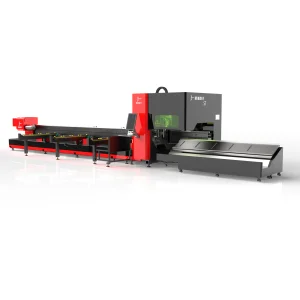
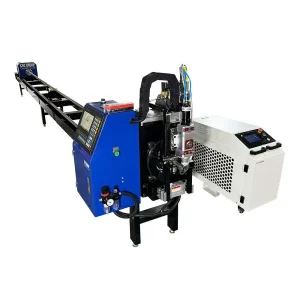
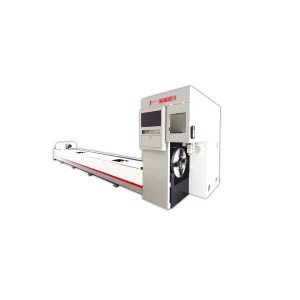
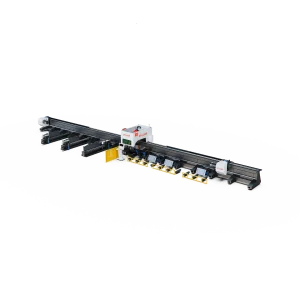
Standard flatbed cutters are insufficient for massive structural steel profiles. Heavy-duty tube processing machinery equipped with triple-chuck assemblies (such as the TKA CNC Fiber Laser Tube Cutter) enables continuous 3D profiling, saddle cuts, and bolt-hole positioning on large square and round tubes without manual layout intervention, reducing secondary prep work before structural welding.
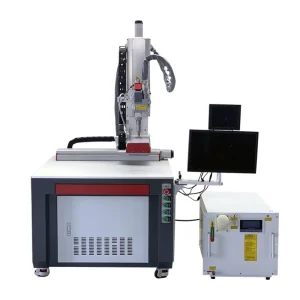
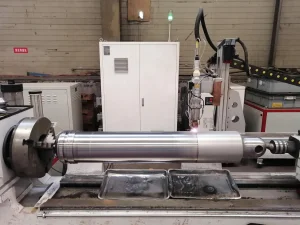
Laser cladding systems utilize the high optical density of fiber lasers to deposit powder alloy materials (such as cobalt-based or carbide matrices) onto damaged surfaces (e.g., oil-drilling bits, heavy turbine blades). This process creates a metallurgical bond with low dilution and minimal distortion, extending component service life at a fraction of the cost of replacement.
To assist global procurement officers, this matrix compares the leading developers and exporters of fiber laser equipment based on key performance metrics:
| Manufacturer / Supplier | Primary Tech Focus | Max Power Range | Core Software / CNC | Service & Support Network |
|---|---|---|---|---|
| Shanghai Datum Machine Co., Ltd. | Smart CNC, Automated Tube Cutters & Cladding | 1kW – 40kW | CypCut, Beckhoff, Smart CNC | Global remote diagnosis, regional onsite service |
| IPG Photonics (USA/Germany) | Fiber Laser Source OEM, Advanced Custom Optics | Up to 100kW+ | Proprietary IPG Control Suite | Extensive global service hubs |
| Trumpf Group (Germany) | High-End Industrial Machinery & Disk Lasers | 1kW – 24kW | TruTops Suite | Global direct support networks |
| Bystronic (Switzerland) | Heavy-Duty Sheet Metal Processing Systems | 1kW – 30kW | ByVision CNC | Direct international subsidiaries |
| Amada (Japan) | Precision Sheet Metal Automation & Press Brakes | 1kW – 12kW | AMNC CNC Platform | Global direct sales & service offices |
| Mazak Optonics (Japan) | 3D Laser Systems, Combined Machine Tools | 1kW – 15kW | PreviewG CNC Control | North American & Asian distribution networks |
| Salvagnini (Italy) | Automated Flexible Manufacturing Cells (FMS) | 1kW – 10kW | STREAM System | European and American sales offices |
| LVD Group (Belgium) | High-Power Sheet Laser Systems & Automation | 1kW – 20kW | Touch-L Control Interface | Global agency partnership networks |
| Han's Laser (China) | Large-Scale Sheet and Tube Automated Cutters | 1kW – 40kW | Han's CNC Control Platform | Developing worldwide regional partnerships |
| Bodor Laser (China) | High-Power Sheet Metal Processing Machinery | 1kW – 60kW | Bodor Pro CNC Control | Global agency and service partnerships |
When sourcing fiber laser equipment, buyers should evaluate key technical specifications beyond marketing metrics to ensure reliable operation:
High-power cutting requires fast gantry acceleration. Buyers should ensure the manufacturer uses a stress-relieved, welded carbon steel frame rather than a standard iron casting. Ask for the heat treatment log (stress-relief annealing) to verify that the bed can handle rapid changes in inertia without developing micro-fissures or alignment shifts.
For high-precision applications (e.g., electronics or medical instruments), linear motor systems provide high positioning accuracy without backlash. For heavy plate cutting, helical rack-and-pinion systems with high-torque servo motors (such as Yaskawa or Delta) offer the necessary force and durability.
Sensing systems in the cutting head must react quickly (within milliseconds) to changes in material height. Look for cutting heads equipped with capacitive sensors and breakaway anti-collision mechanisms to prevent damage from tipped parts or scrap metal.
Using nitrogen, oxygen, or air changes how clean the cuts are. Select systems featuring automatic gas proportional valves rather than manual regulators. This allows the CNC to adjust gas pressure programmatically based on the material thickness, reducing overall gas consumption.
Get answers to common technical questions about selecting, operating, and maintaining industrial fiber laser systems.
Fiber lasers feature a wavelength of ~1.06µm, which is significantly better absorbed by metals—especially highly reflective materials like copper, brass, and aluminum—compared to the 10.6µm wavelength of CO2 lasers. In reflective metals, a CO2 beam is mostly reflected, which can damage the optical path. Fiber lasers deliver higher cutting speeds in thin sheets and eliminate the need for expensive reflective optical paths, using flexible fiber delivery instead.
Welding steel structures introduces internal thermal stress. If the frame is machined without being annealed, these stresses will release over time, leading to minor frame warps. Even a warp of just 0.05mm can ruin the machine's precision at high speeds. Heating the frame to 600°C removes these internal stresses, ensuring the bed remains stable and maintains high cutting accuracy over long-term operations.
A dual-chuck machine can drop long tubes during cutting, leaving tailpiece waste (often 200mm to 300mm of raw material). A three-chuck system (front, middle, rear) supports the tube continuously through the cutting cycle. This allows for zero-tailpiece cutting (saving material costs) and prevents long pipes from sagging or whipping, which improves the dimensional accuracy of the cuts.
CW lasers emit a steady, continuous stream of laser energy, which is ideal for high-speed cutting and deep welding. QCW lasers operate in a pulsed mode, producing high peak power (up to 10 times the average power) in short bursts. This makes QCW lasers well-suited for processing heat-sensitive materials, thin metals, and precise spot welding applications where minimizing the heat-affected zone (HAZ) is critical.
In Europe (CE compliance) and North America (FDA/CDRH standards), open-bed fiber lasers are classified as Class 4 systems because reflections from the 1.06µm wavelength can cause eye damage. For safety, many regions require fully enclosed Class 1 setups, which feature protective viewing windows made of certified laser-safety acrylic. Enclosed machines also help contain fine metal dust and fumes, allowing them to be extracted by filtration systems.
Discover our high-precision tube cutters, high-speed sheet processors, industrial wireless CNC solutions, and smart fusion systems.