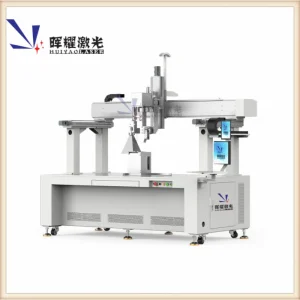
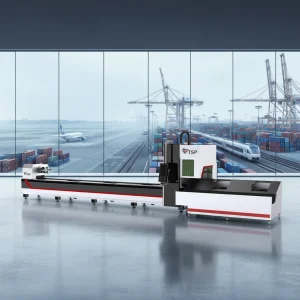
Datum Machine
Datum Machine
Datum Machine
High-efficiency systems designed to satisfy stringent medical, industrial, and automation engineering standards.
Exploring how advanced laser processing technology meets the strict quality requirements of modern healthcare devices.
The medical device manufacturing landscape has undergone a monumental shift toward micro-miniaturization, minimally invasive surgical (MIS) tools, and biocompatible implantable systems. These advanced applications demand micro-machining components with extreme dimensional accuracy, zero thermal damage, and exceptionally clean, burr-free cut paths. Historically, conventional CNC milling, stamping, or electrical discharge machining (EDM) struggled with micro-scale feature replication and structural stress. Today, high-precision micro-laser cutting has emerged as the definitive global standard.
By leveraging ultra-short pulse (USP) lasers, such as picosecond and femtosecond lasers, manufacturers can achieve cold ablation. This process vaporizes target materials without transmitting heat to the surrounding structure, effectively eliminating the Heat-Affected Zone (HAZ). This capability is vital when processing sensitive alloys like Nitinol (nickel-titanium shape memory alloys), titanium, and bioresorbable polymers, where structural integrity cannot be compromised.
Understanding the interaction of ultra-short wavelengths and fiber lasers with biocompatible materials.
Nitinol is the cornerstone of self-expanding stents, heart valve frames, and neurovascular devices due to its superelasticity and shape memory properties. However, laser cutting Nitinol requires precise thermal control. Excessive heat can alter the phase transformation temperature (Af point), rendering the device useless. Using state-of-the-art water-guided lasers or femtosecond laser systems ensures the phase transformation curve remains intact, preventing localized recrystallization and subsequent structural failure.
316LVM implant-grade stainless steel and titanium alloys are the primary choices for orthopedic bone plates, surgical instruments, and trauma screws. Cutting these metals requires high peak-power fiber lasers that produce clean, oxidation-free edges. Inert gas assists, such as high-purity argon or nitrogen, prevent oxides from forming during cutting, simplifying subsequent chemical passivation and electropolishing steps.
Next-generation scaffolds and drug-delivery implants use bioresorbable polymers like PLLA and PLGA, which gradually dissolve in the body. Traditional thermal processing would melt these materials and degrade their chemical structures. Ultrafast UV lasers solve this by initiating photochemical ablation. The laser's high-energy photons directly break the material's molecular bonds rather than melting them, maintaining the polymer's structural integrity and predictable dissolution profile.
Navigating international healthcare frameworks to ensure complete reliability and traceability.
Medical devices are subject to strict regulatory review by bodies like the FDA in the United States and the EMA under the European Union Medical Device Regulation (EU MDR). For manufacturers and exporters, aligning laser-cutting systems with these frameworks is critical. Quality management begins with the ISO 13485:2016 certification, which mandates rigorous process validation protocols, full traceability of raw materials, and risk assessment audits.
Process validation is structured around three key steps: Installation Qualification (IQ), Operational Qualification (OQ), and Performance Qualification (PQ). In medical laser cutting, this means verifying that equipment installations meet specifications (IQ), identifying operating window parameters such as speed, laser frequency, and gas pressure (OQ), and confirming that the system consistently produces compliant parts under production loads (PQ).
Analyzing the industrial clusters, cost-efficiency drivers, and technology integrations supporting global medical OEMs.
China has established a comprehensive industrial ecosystem for laser manufacturing. Regions like the Yangtze River Delta, centered around key hubs like Shanghai, host advanced components suppliers, high-end optical research institutes, and experienced systems integrators. This regional integration enables manufacturers like Shanghai Datum Machine Co., Ltd. to quickly source and configure specialized sub-assemblies, providing major cost and speed-to-market advantages to international buyers.
By pairing high-end components—such as German IPG laser sources, Japanese Yaskawa servo systems, Swiss Raytools cutting heads, and Cypcut CNC controllers—with local manufacturing platforms, Chinese producers deliver high-performance equipment with a favorable cost-to-performance ratio. This ecosystem supports quick prototyping, allowing developers to test and refine component iterations rapidly.
The convergence of artificial intelligence, robotics, and multi-axis motion controls.
Modern medical manufacturing increasingly relies on automation to reduce human error, optimize yields, and maintain consistency. Real-time sensor networks and AI-driven control software are reshaping laser-cutting operations. Modern systems monitor key parameters—including cutting gas pressure, optical temperature, and nozzle alignment—and automatically adjust settings dynamically to prevent process drift.
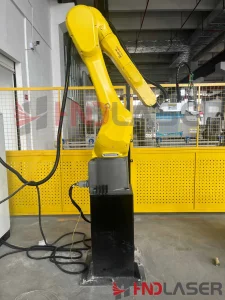
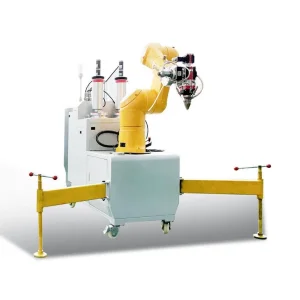
Robotic handling systems, such as 6-axis robotic arms, are frequently integrated with laser units to support continuous, lights-out manufacturing. These setups handle automated loading, part sorting, and unloading. Multi-axis systems, including 5-axis and 6-axis configurations, also enable precise, single-setup cutting on complex 3D profiles and curved surfaces.
Optical Coherence Tomography (OCT): Integrated sensors measure kerf depth in real time, enabling precise closed-loop control during micro-machining.
Dual-Source Laser Systems: Hybrid setups combine nanosecond and femtosecond lasers, allowing operators to switch between high-speed bulk cutting and ultra-fine micro-machining on a single machine.
Practical examples of advanced laser processing in the production of life-critical medical devices.
Manufactured from thin-walled Nitinol tubing (diameter 1.5mm, wall thickness 100 microns). Micro-laser systems cut intricate mesh geometries with kerf widths down to 12 microns. Fluid-cooled cutting nozzles limit thermal impact, and subsequent electropolishing creates a smooth, biocompatible surface finish.
Catheter shafts require variable flexibility along their length to navigate blood vessels safely. Multi-axis laser cutting cuts spiral or interrupted patterns into stainless steel hypotubes. High-speed, high-frequency pulsing ensures consistent slot depths without damaging inner liner components.
Titanium implants require precise bone-growth textures and screw-hole geometries. High-power fiber lasers cut thick titanium profiles, while integrated laser surface texturing adds microscopic, porous features that promote osseointegration, speeding up patient recovery.
Addressing key technical, regulatory, and logistics questions for global procurement teams.
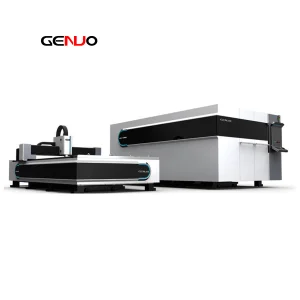
Heavy-duty systems and dynamic multi-axis machines for global industrial applications.
A professional leader in automated laser cutting systems and smart factory production integration.
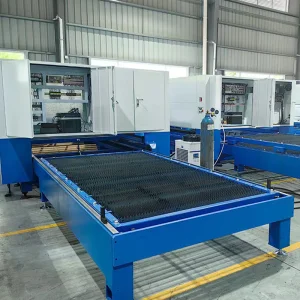
Shanghai Datum Machine Co., Ltd. is a leading manufacturer of automated laser cutting systems, CNC cutting solutions, and smart factory equipment for global industrial buyers. With extensive experience in advanced manufacturing technologies, we design high-performance systems that improve productivity, precision, and operational efficiency across multiple industries.
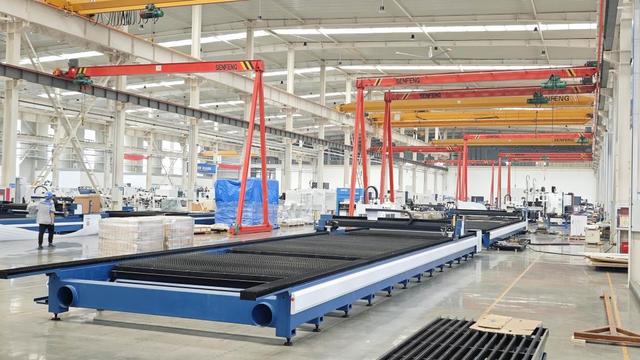
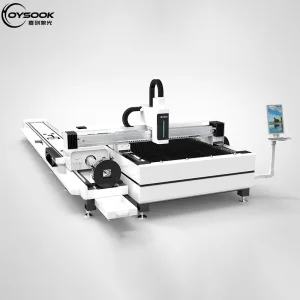
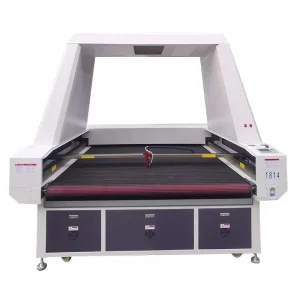
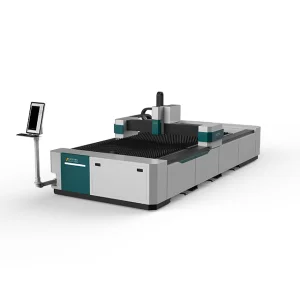
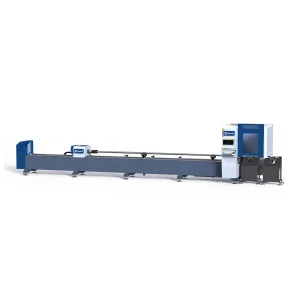
Our product portfolio includes fiber laser cutting systems, CNC laser cutting equipment, tube laser cutting machines, sheet metal processing solutions, robotic laser cutting systems, automated loading/unloading configurations, laser production lines, and customized factory automation systems. Designed to meet the evolving demands of modern factories, our systems deliver high cutting accuracy, high-speed operation, minimal material waste, and reliable long-term performance.
At Datum Machine, innovation drives our product development. Our engineering team continuously integrates intelligent controls, automated positioning, and advanced diagnostics to help customers build more efficient, flexible production environments. From standalone laser systems to fully integrated smart factory configurations, we provide engineering support tailored to each client's specific requirements.
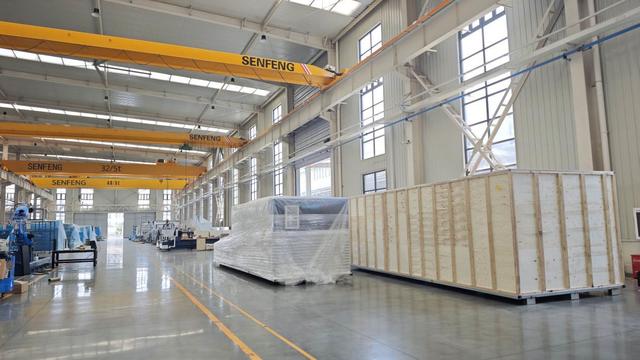
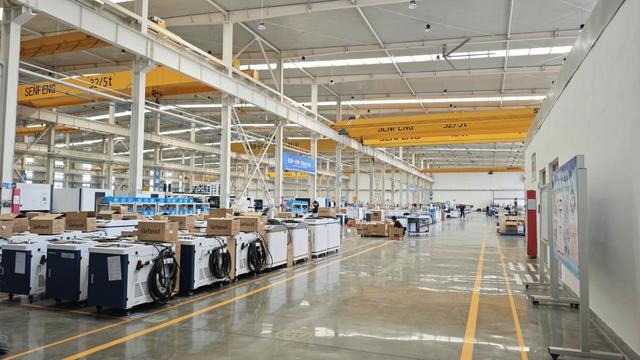
Quality and reliability are fundamental to our manufacturing philosophy. We maintain strict quality control throughout design, production, assembly, testing, and delivery to ensure every system meets international performance and safety standards. Our modern production facilities and experienced technical team support consistent quality and responsive field service for customers worldwide.
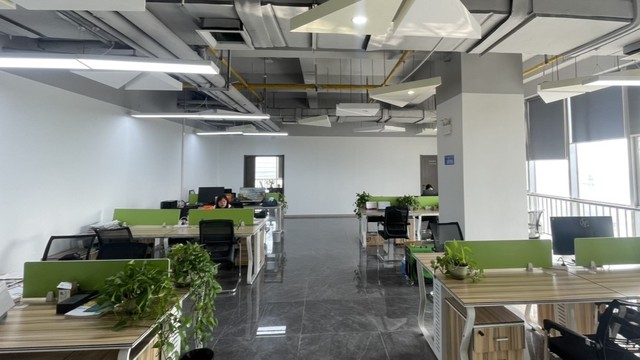
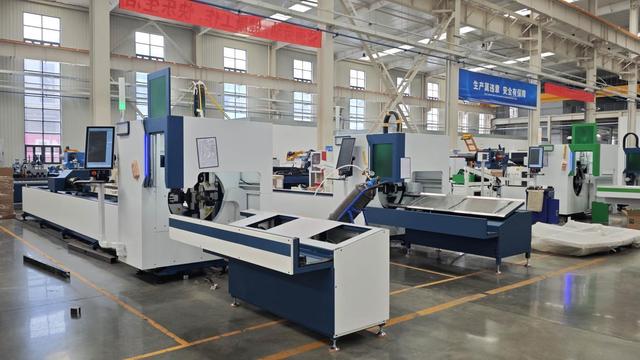
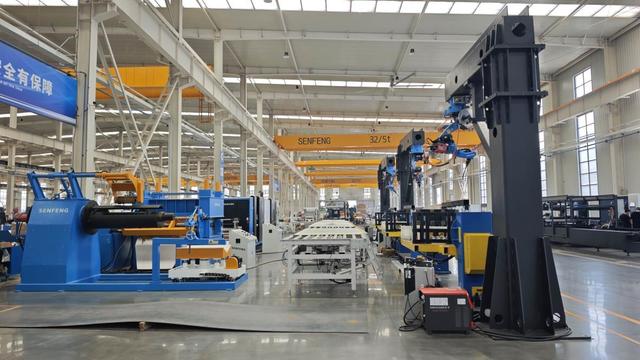
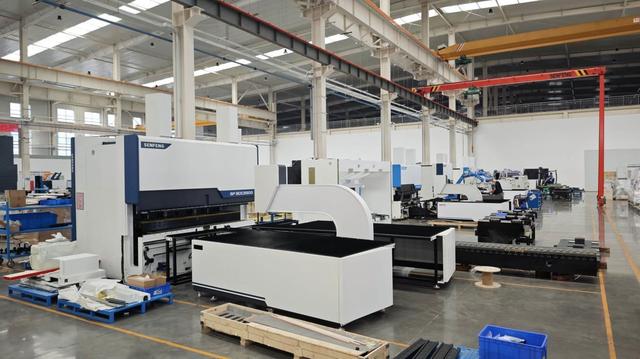
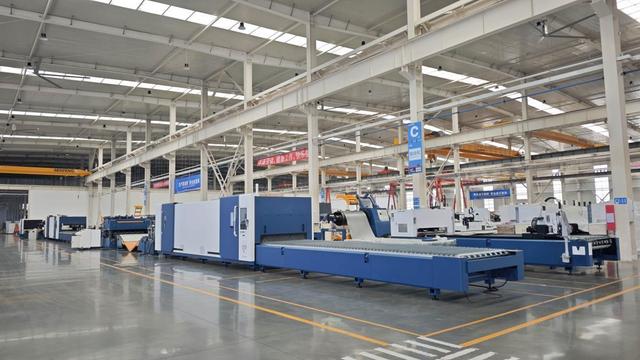
EXPLORE OUR PRODUCTION FACILITIES & QUALITY ASSURANCE WORKFLOWS