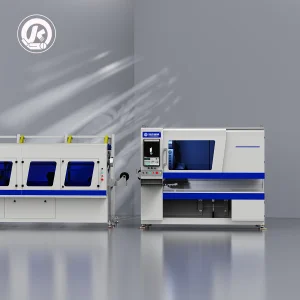
Datum Machine
Datum Machine
Datum Machine
Explore high-precision fiber laser cutting systems, dynamic 6-axis robotic integrations, and custom thermal cladding systems engineered to reduce material waste and optimize cycle times.
An Expert Analytical Deep Dive into Modern Manufacturing Automation, Structural Dynamics, and Material Efficiency Roadmap.
The global manufacturing paradigm is experiencing a fundamental transition toward intelligent, zero-waste processing architectures. In this context, China’s innovative laser systems factories and suppliers are no longer merely low-cost component assembly nodes. Instead, they have developed into primary research, development, and engineering hubs for high-performance laser integration. Precision fiber cutting, multi-axis robotic manipulation, and smart energy-saving laser cladding represent the new standard for manufacturing facilities seeking to maintain structural tolerances, reduce operational expenditure, and future-proof their assembly systems.
As the industrial demands of automotive, aerospace, and energy infrastructure sectors rise, three major trends are defining the roadmap of innovative laser manufacturing:
The transition from mid-range powers (2kW–6kW) to ultra-high powers (12kW–30kW+) has redefined cutting capacities. It permits high-speed processing of heavy sheet metal, thick structural columns, and complex alloy pipes while mitigating heat-affected zones (HAZ).
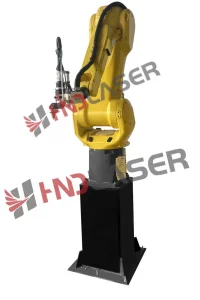
Integrating 6-axis robotic arms (e.g., Fanuc, Kuka) with fiber delivery heads allows for high-precision 3D processing. This eliminates the need for expensive secondary stamping dies, bringing complex automotive chassis and aerospace components straight from CAD models to production.
Additive processes like 3+1 axis laser cladding are replacing traditional hard-chrome plating. By metallurgical cladding of specialized wear-resistant powders, companies can extend the operational life of highly stressed industrial components by 300% or more.
Procuring advanced laser hardware from Chinese manufacturers requires a detailed evaluation framework. It is no longer enough to look at simple price points. Global industrial procurement directors are focusing heavily on reliability, controller ecosystem compatibility, structural thermal stabilization, and localized field engineering support. When assessing factories, technical buyers evaluate components such as double exchange shuttle tables, fully sealed protective enclosures, high-inertia servo motors (Yaskawa, Panasonic), and precise gas-assist control manifolds (Nitrogen, Oxygen, and Dry Compressed Air).
Shanghai Datum Machine Co., Ltd. is a professional China automation laser cutting manufacturer specializing in fiber laser cutting systems, CNC cutting solutions, and smart manufacturing equipment for global industrial customers. With extensive experience in advanced manufacturing technologies, we are dedicated to providing high-performance automation solutions that improve productivity, precision, and operational efficiency across a wide range of industries.
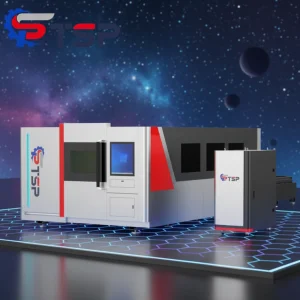
Our product portfolio includes fiber laser cutting systems, CNC laser cutting equipment, tube laser cutting machines, sheet metal processing solutions, robotic laser cutting systems, automated loading and unloading systems, laser production lines, and customized manufacturing automation solutions. Designed to meet the evolving demands of modern factories, our equipment delivers exceptional cutting accuracy, high-speed performance, reduced material waste, and reliable long-term operation.
At Datum Machine, innovation is at the center of our development strategy. Our engineering team continuously integrates intelligent control technologies, automation systems, and advanced manufacturing concepts to help customers build more efficient and flexible production environments. From standalone laser cutting equipment to fully integrated smart factory solutions, we provide comprehensive support tailored to each customer's production requirements.
Quality and reliability are fundamental to our manufacturing philosophy. We maintain strict quality control procedures throughout design, production, testing, and delivery to ensure every system meets international performance and safety standards. Our modern manufacturing facilities and experienced technical team enable us to provide consistent quality and dependable service for customers worldwide.
Serving clients across automotive, metal fabrication, machinery manufacturing, construction, aerospace, electronics, and industrial processing sectors, Shanghai Datum Machine Co., Ltd. has established a strong reputation for advanced technology, customized solutions, and responsive customer support. We are committed to becoming a trusted global partner in automation laser cutting, helping manufacturers achieve higher efficiency, smarter production, and sustainable growth through innovative laser processing technologies.
Different industry sectors require specific machine configurations to maximize yield and control physical deformation:
Using 6-axis linkage robotic arm fiber laser cutting systems with high-end CNC controllers allows for complex spatial curves. This setup is critical for high-strength steel chassis parts, heat shields, and dynamic engine manifold geometries. High positioning accuracy of ±0.05mm guarantees components assemble perfectly within downstream automated welding cells.
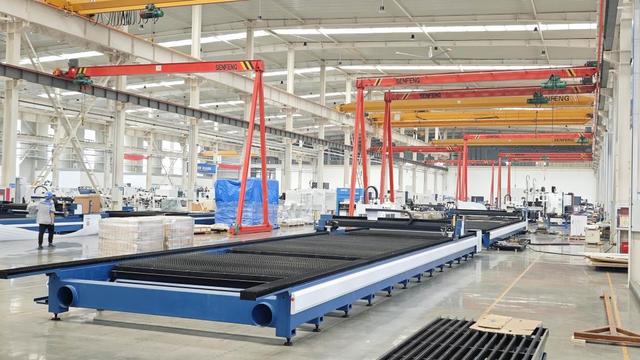
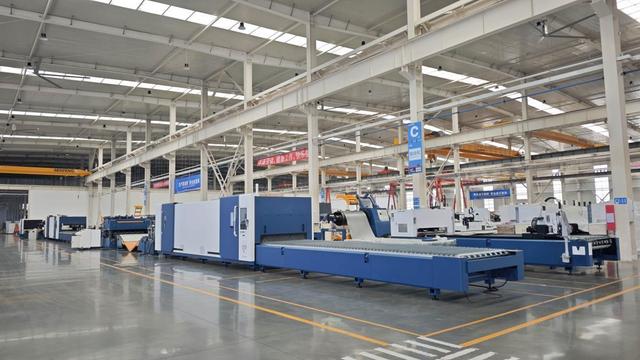
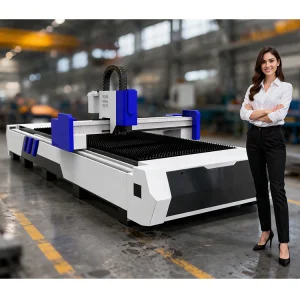
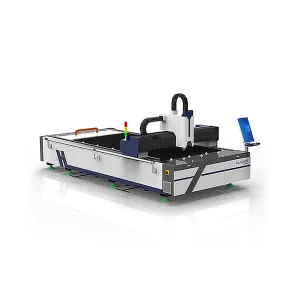
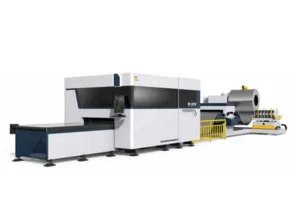
Medium-to-large format cutting systems (such as 3000x1500mm formats) equipped with fast exchange tables enable non-stop production. Incorporating automated nesting software optimizes sheet layout, significantly lowering waste and per-part manufacturing costs.
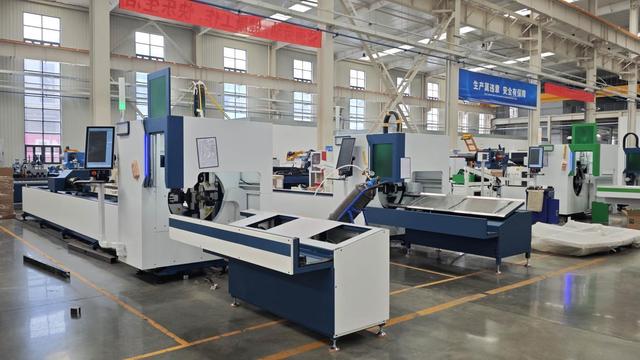
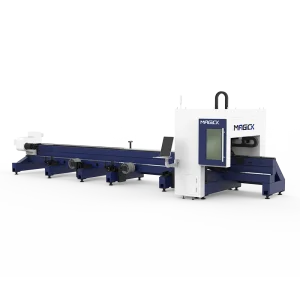
High-speed tube cutting lines featuring double chuck systems automatically clamp, feed, and cut square, round, and elliptical profiles. Laser processing replaces drilling, sawing, and deburring in a single pass, significantly speeding up construction equipment and metal furniture manufacturing pipelines.
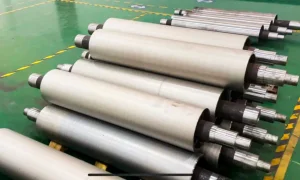
Laser cladding systems deploy precise powder feed rates and high energy beams to rebuild worn industrial shafts, mining tools, and hydraulic cylinders. The metallurgical bond prevents peeling under high shear, extending component lifespan at a fraction of the cost of new parts.
A key aspect of global supply chain management is regulatory compliance. Heavy industrial machinery must conform to safety regulations to operate within major markets. Top manufacturers design systems with full compliance in mind, including CE certification, FDA laser safety protocols, and ISO 9001 quality management standards.
Operational security is supported by localized field engineering support networks, remote diagnostic capabilities, and robust spare parts distribution. Standard configurations include electrical components certified by UL/CSA, safety light curtains, and integrated dust filtration systems (such as high-efficiency baghouse or mist cartridge collectors) to maintain safe working environments in compliance with global occupational safety standards.
The future of innovative laser processing centers on deeper digital integration. Upcoming systems will incorporate real-time monitoring and active optical compensation. Instead of waiting for post-process inspection, optical sensors will detect plasma anomalies, cutting nozzle wear, and focus drift instantly, and make micro-adjustments on the fly. Additionally, efforts to improve wall-plug efficiency (WPE) will reduce power consumption, allowing factories to shrink their overall environmental footprint without sacrificing speed or productivity.
Technical answers to the most common inquiries regarding machine selection, operation, maintenance, and logistics.
Discover specialized engraving, robotic tube profiling, high-power flatbed systems, and automated material handling equipment.
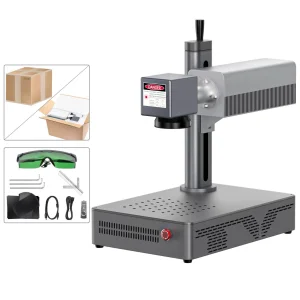
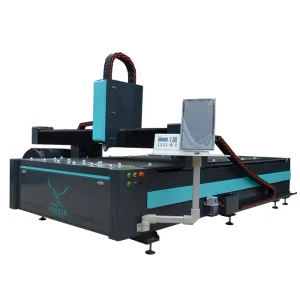
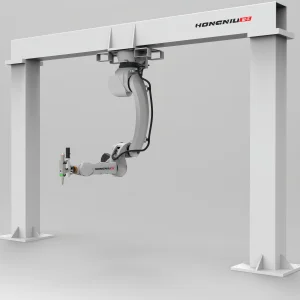
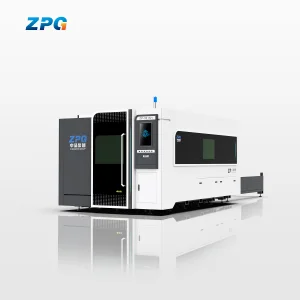
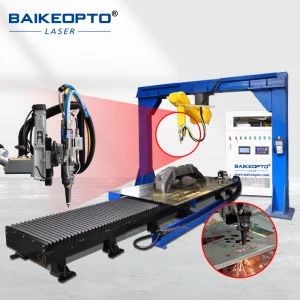
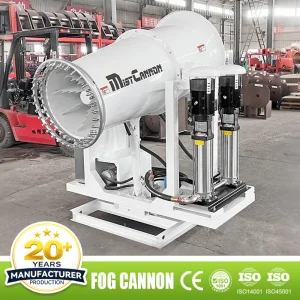
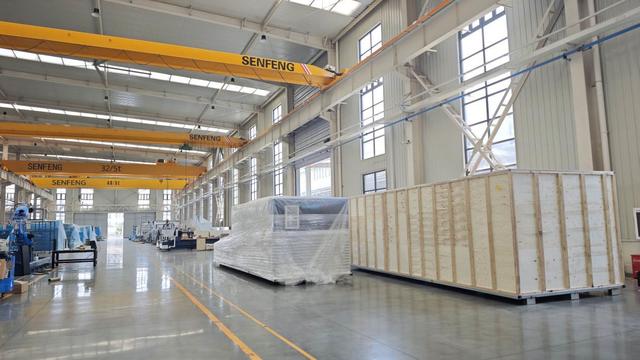
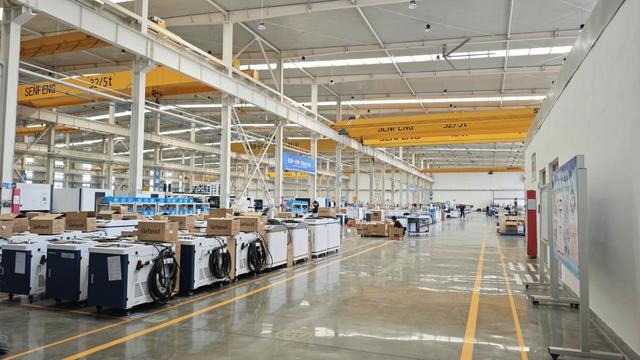
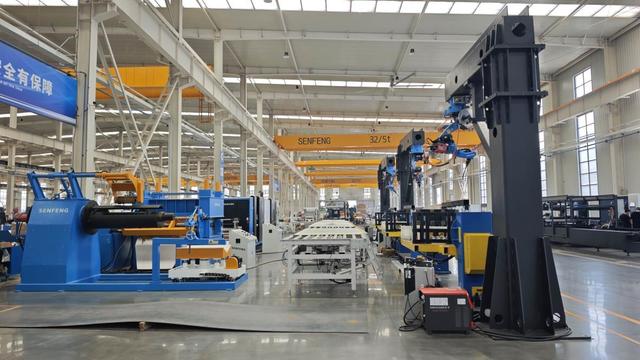
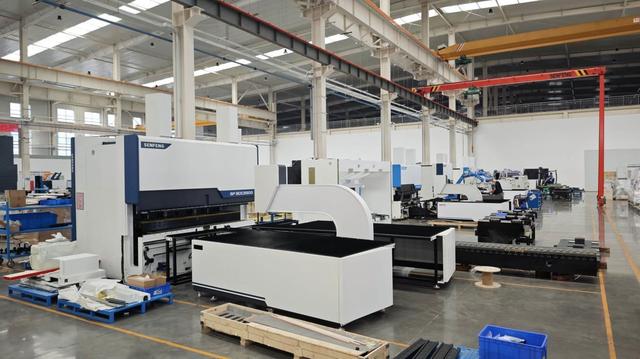
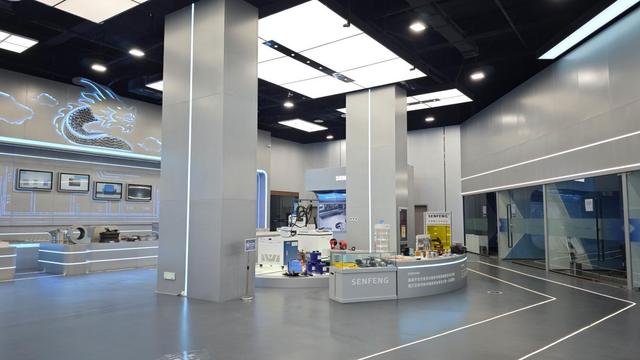
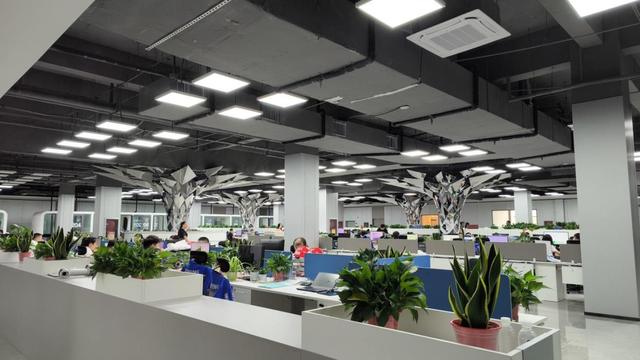
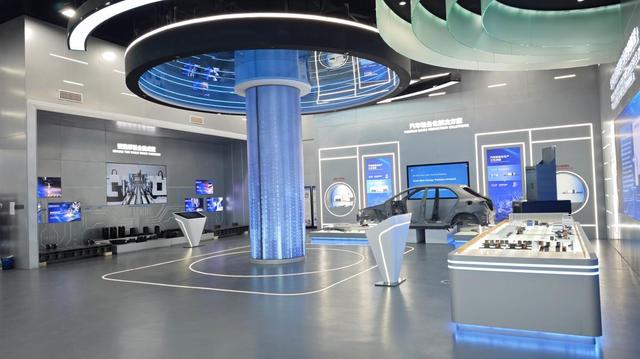
Inside our heavy manufacturing workshops, assembly bays, and quality-testing centers where laser precision systems are built and configured.