Datum Machine
Datum Machine
Datum Machine
Explore our industrial-grade fiber laser cutters, high-performance robotic welding work cells, and customized metal fabrication systems built for heavy-duty production environment stability.
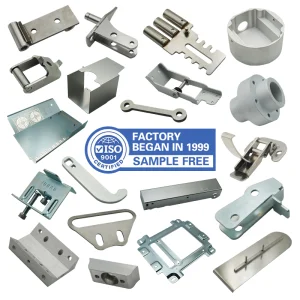
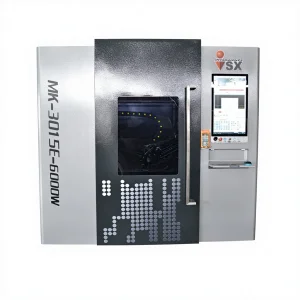
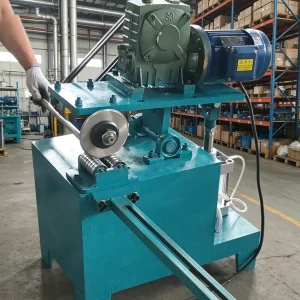
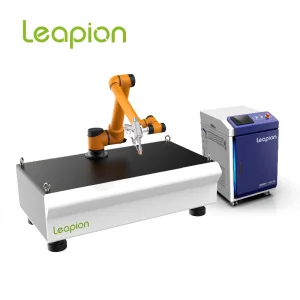
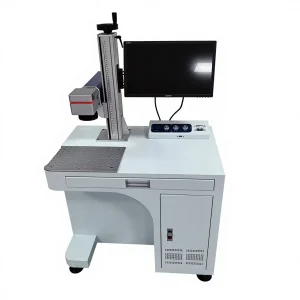
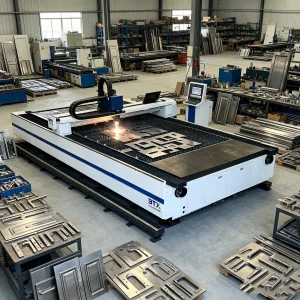
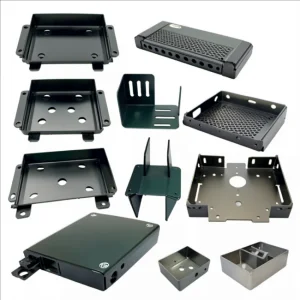
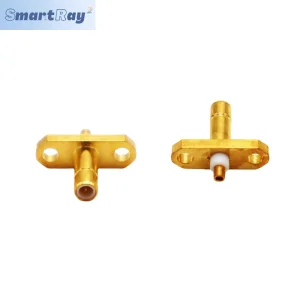
The global manufacturing ecosystem is undergoing a major transition driven by automated precision machinery. Integrated laser systems—which combine multi-axis motion controls, advanced fiber optical sources, real-time sensing technologies, and smart software—are leading this evolution. Once specialized tools, they have become essential equipment in high-capacity factories globally.
From the high-volume lines of the automotive sector to the strict tolerances required in aerospace engineering, industrial lasers offer clean processing without mechanical tool wear. Driven by demands for lower operational overhead, minimal material waste, and rapid prototyping capabilities, global investments are shifting toward fully integrated solutions. Rather than operating as standalone units, these modern systems function as connected nodes within a broader smart factory network.
In Europe, the Americas, and Southeast Asia, manufacturers are adopting integrated systems to mitigate rising labor costs and structural labor shortages. Chinese production facilities have developed highly optimized component supply chains, enabling them to build reliable, high-performance configurations at competitive price points. This capability has made Chinese integrated laser manufacturers key partners in global industrial upgrades.
Industrial automation demands more than basic cutting power; it requires intelligent real-time processing. Several key factors are driving this global shift:
Our engineering roadmap focuses on system integration, combining fiber optics, mechanical structures, and control software into a unified production architecture.
We combine high-stability fiber resonators with optimized delivery systems. This configuration maintains beam quality over long runtimes, enabling consistent results across varying thicknesses of stainless and carbon steel.
Operating via FSCUT bus control systems, our machines execute complex geometries with sub-millimeter precision. High-speed communication links the CNC processor directly with the servo motors for responsive axis control.
High gantry accelerations demand stable machine beds. Our machine frames undergo high-temperature heat treatment to eliminate internal structural stresses, preventing bed warping or deformation over years of heavy use.
Shanghai Datum Machine Co., Ltd. is a professional China automation laser cutting manufacturer specializing in fiber laser cutting systems, CNC cutting solutions, and smart manufacturing equipment for global industrial customers. With extensive experience in advanced manufacturing technologies, we are dedicated to providing high-performance automation solutions that improve productivity, precision, and operational efficiency across a wide range of industries.
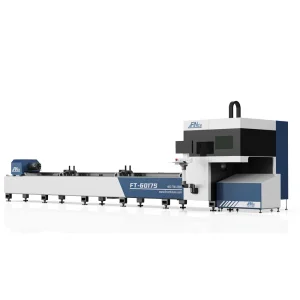
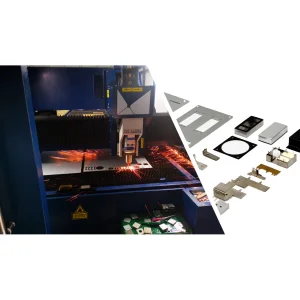
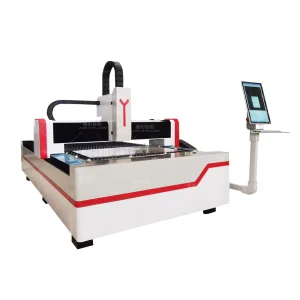
Our product portfolio includes fiber laser cutting systems, CNC laser cutting equipment, tube laser cutting machines, sheet metal processing solutions, robotic laser cutting systems, automated loading and unloading systems, laser production lines, and customized manufacturing automation solutions. Designed to meet the evolving demands of modern factories, our equipment delivers exceptional cutting accuracy, high-speed performance, reduced material waste, and reliable long-term operation.
At Datum Machine, innovation is at the center of our development strategy. Our engineering team continuously integrates intelligent control technologies, automation systems, and advanced manufacturing concepts to help customers build more efficient and flexible production environments. From standalone laser cutting equipment to fully integrated smart factory solutions, we provide comprehensive support tailored to each customer's production requirements.
Quality and reliability are fundamental to our manufacturing philosophy. We maintain strict quality control procedures throughout design, production, testing, and delivery to ensure every system meets international performance and safety standards. Our modern manufacturing facilities and experienced technical team enable us to provide consistent quality and dependable service for customers worldwide.
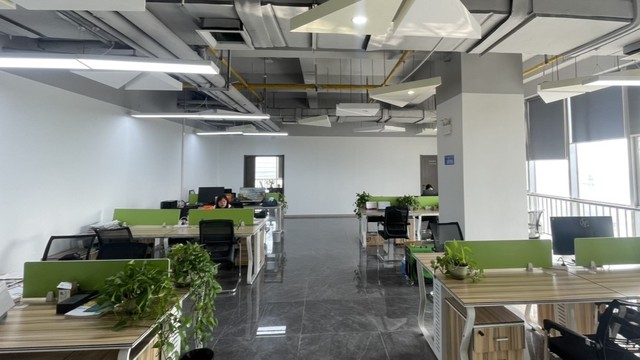
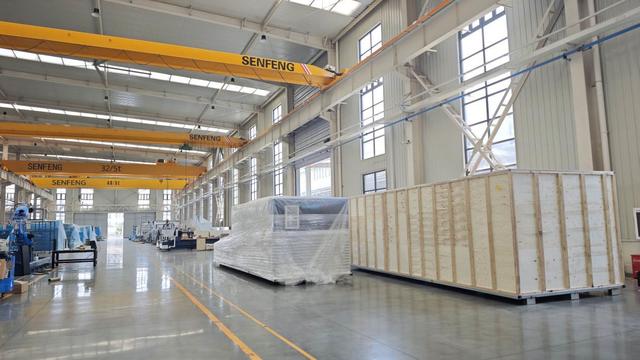
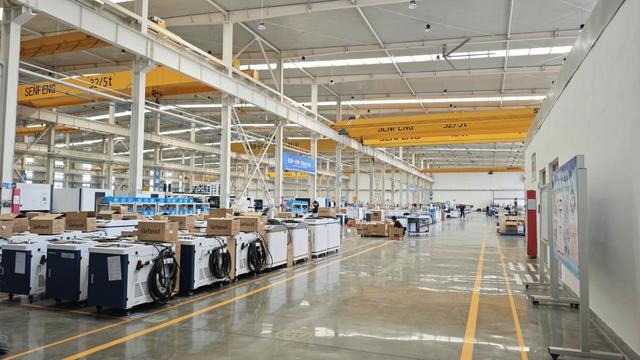
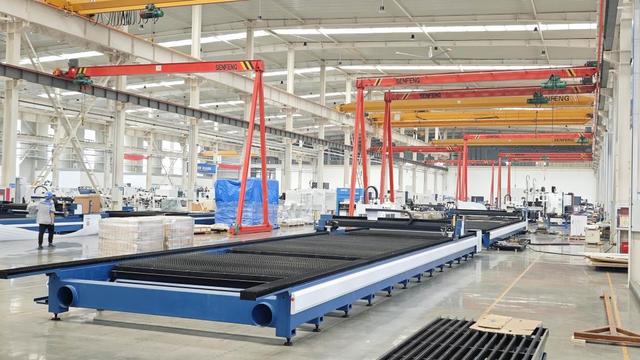
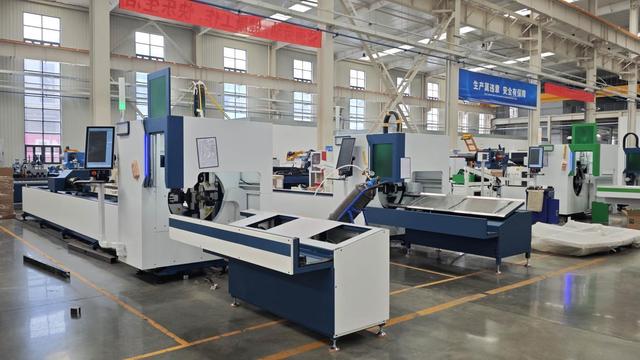
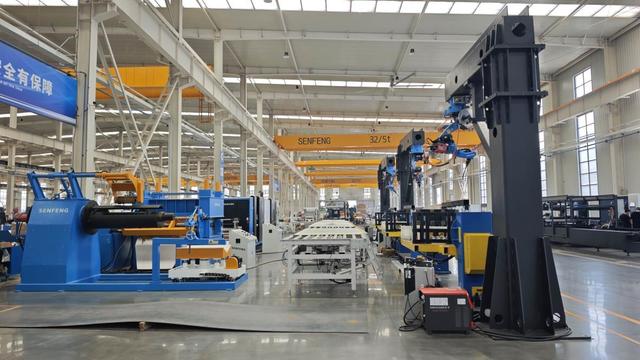
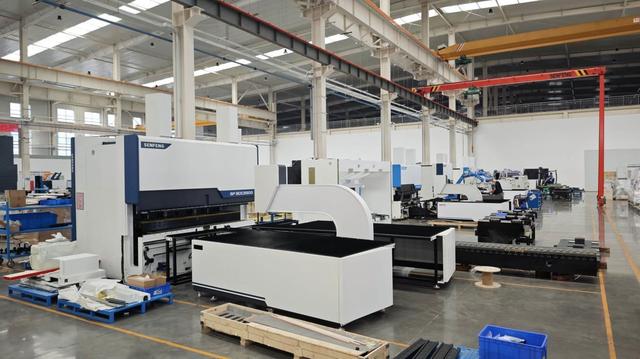
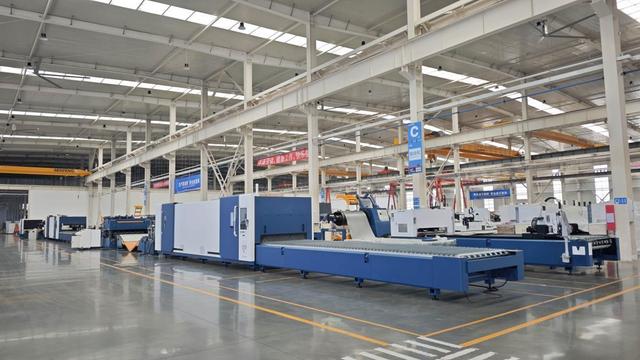
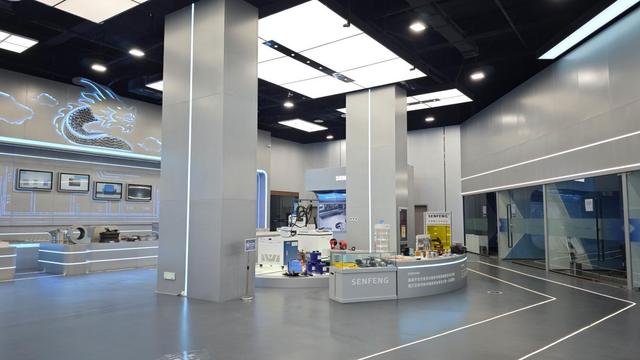
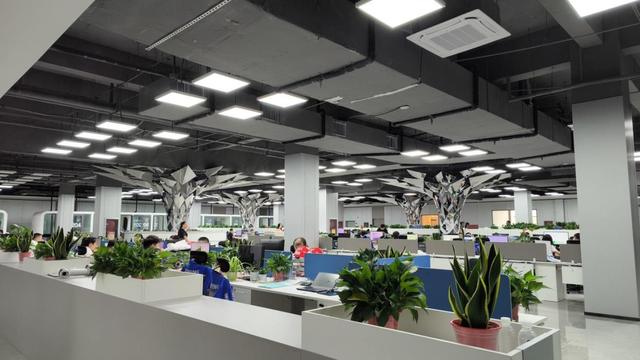
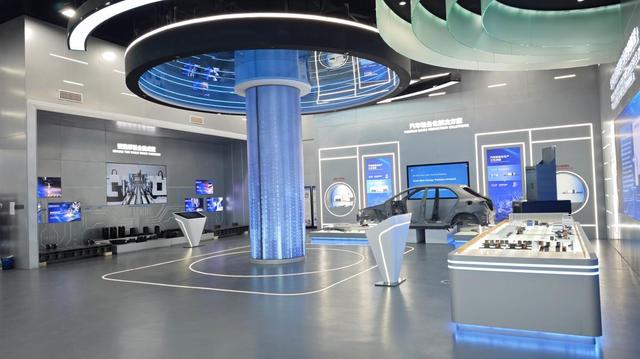
Our integrated laser systems are deployed globally to automate processing steps, shorten cycles, and improve final product consistency.
Automotive manufacturing demands high speed and precision. Our specialized multi-axis fiber cutting configurations, such as the 4020 exchange table systems, cut and process structural components with minimal deformation. By automating loading, cutting, and sorting, these systems run continuously to support lean automotive assembly lines.
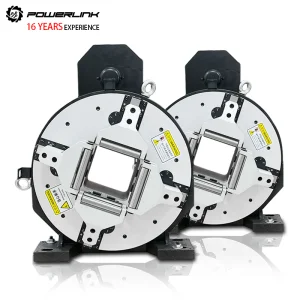
Our automatic tube and pipe cutters handle round, square, and oval profiles for structural frames. With automated chuck systems and optional plasma integration, these systems handle long materials with minimal manual setup, reducing labor requirements and processing times.
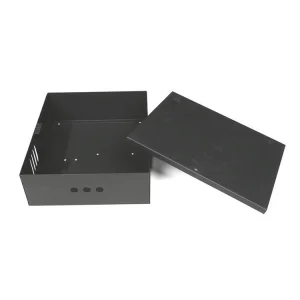
We design complete fabrication cells that combine fiber laser cutting with CNC bending and robotic welding. By routing parts directly from cutting beds to bending stations and welding enclosures, these cells minimize material handling and improve overall production efficiency.
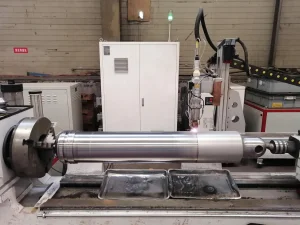
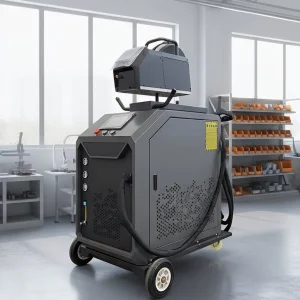
For components subject to heavy wear, our fiber laser cladding systems deposit specialized alloys to rebuild worn surfaces and apply corrosion-resistant layers. This extends the service life of critical parts in mining, maritime, and chemical processing equipment.
To support high-precision fabrication, our systems integrate components that protect optics, stabilize mechanical motion, and monitor process conditions.
Our integrated designs resolve common issues in automated production lines. Traditional setups often use laser cutters, bending rolls, and robotic cells from different vendors, creating software integration challenges. By designing systems with unified bus controllers, we maintain reliable data flow from design file import to final part sorting.
For example, our laser cutting heads use specialized sensor cables to maintain a constant height above the metal sheet. The controller processes these height adjustments at high speed, protecting the nozzle from collisions with tipped parts during rapid traverses. Thermal management systems also control temperatures across the optical path, preventing thermal lensing and keeping the focus point stable during long runs at high power levels.
In addition, our exchange tables complete pallet swaps in under 15 seconds. By using robust mechanical drives and proximity sensors, the system locks the new plate in place before the gantry begins cutting. This minimizes idle time and maximizes overall equipment effectiveness (OEE) for high-volume factories.
Review technical explanations about our laser systems, installation requirements, and automation integration options.
Fiber lasers offer higher efficiency and lower operational costs than CO2 systems. Operating at a 1.06-micron wavelength, fiber beams are highly absorbed by metals, allowing for faster cutting of thin sheets and reliable processing of reflective materials like aluminum and brass. Additionally, fiber systems deliver light via flexible cables rather than complex mirror systems, reducing maintenance needs and alignment wear.
The FSCUT2000E is a digital control system designed for high-performance laser cutters. It supports features like real-time height control, automatic corner slowing, and path planning. By maintaining communication between the controller, sensors, and servo motors, the system prevents over-cutting on sharp corners and maintains consistent edge quality across complex profiles.
Our heavy-duty machine frames are welded from structural steel plates and undergo thermal stress-relieving processes. We heat the frames in specialized ovens to remove internal stresses before final machining of the linear guide surfaces. This process prevents structural warping and maintains positioning accuracy over years of operation.
Laser cladding deposits high-performance alloy powders onto a base metal substrate using a laser heat source. This process creates a metallurgical bond to improve wear resistance, corrosion resistance, or to repair worn parts. It is compatible with cobalt-based, nickel-based, and iron-based alloys, and is commonly used to service turbine blades, industrial shafts, and mining tools.
Manual material handling can create bottlenecks in high-speed laser cutting. Our automated loading and unloading options use suction systems and mechanical loaders to feed fresh sheets onto the cutting bed while finished parts are moved to sorting tables. This allows for continuous cutting cycles and increases daily production volume.
Review our range of high-accuracy tube cutters, specialized cladding setups, processing heads, and automated bending equipment designed for industrial sheet metal shops.