 Datum Machine
Datum Machine
Datum Machine
Explore our leading industrial solutions engineered for high performance, accuracy, and safety compliance.
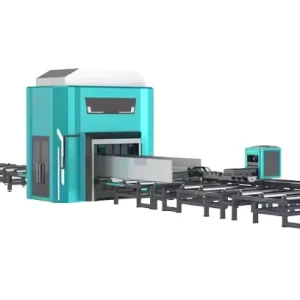
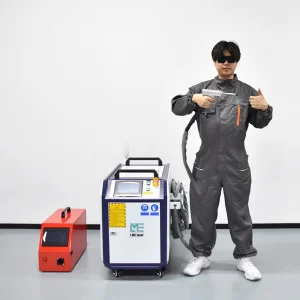
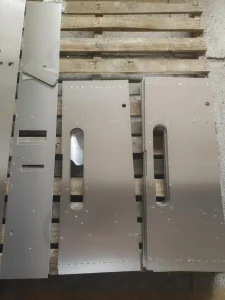
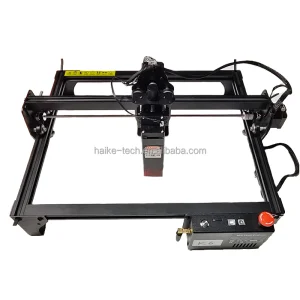
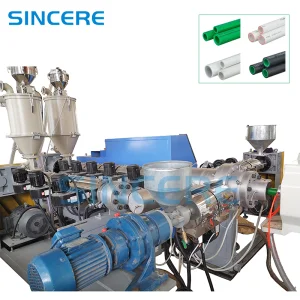
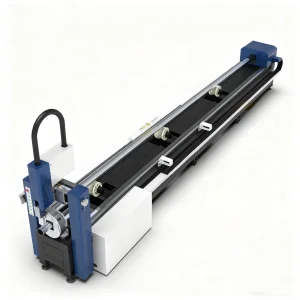
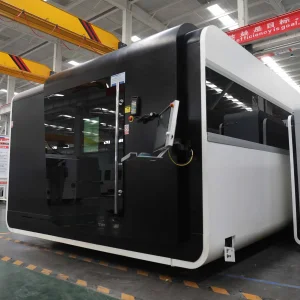
In the era of smart manufacturing, the transition from traditional mechanical fabrication to automated, high-precision laser processing is a cornerstone of global industrial advancement. As a premier China automation laser cutting manufacturer, Shanghai Datum Machine Co., Ltd. stands at the forefront of this industrial revolution. We design and deliver high-performance fiber laser cutting systems, smart CNC cutting lines, and custom automation equipment engineered to elevate productivity, maximize material yield, and ensure the absolute safety of operators through comprehensive CE certification.
The global demand for high-power industrial laser systems is experiencing exponential growth, propelled by the urgent need for automation across structural steel fabrication, automotive assembly lines, aerospace component manufacturing, and HVAC duct production. Modern manufacturing environments demand machinery that operates around the clock with minimal human intervention. Our product portfolio—spanning smart multi-axis robotic cutting systems, continuous coil-fed production lines, and high-power fiber laser systems—directly addresses these macroeconomic challenges.
By shifting to automated optical processing, fabricators eliminate tool wear, dramatically compress cycle times, and minimize post-processing operations. Whether shaping massive H-beams for infrastructure projects or cutting delicate non-metal components, Shanghai Datum Machine Co., Ltd. supplies the technological architecture required to maintain a competitive edge. Our systems integrate seamlessly with automated loading and unloading setups, creating fully synchronized, flexible production environments compatible with modern ERP and MES systems.
Information Gain Insight: The modern laser market has transitioned from purely looking at "raw laser power" to valuing "systemic efficiency." Real-world efficiency is measured by the integration of smart nesting algorithms, rapid table exchange rates, and multi-process capabilities (such as the 3-in-1 and 4-in-1 cutting, welding, and cleaning configurations) that compress multi-machine routing footprints down to a single station.
The technological horizon of industrial laser processing is defined by several core advancements that are reshaping the capabilities of global sheet and tube fabrication:
Transitioning from CO2 to solid-state fiber lasers operating at ~1.06 µm wavelengths. These systems yield absorption rates 3 to 4 times higher in metals, ensuring faster processing speeds and a massive reduction in electrical power overheads.
Proprietary software engines supporting direct vector file ingestion (DXF, DWG, BMP, etc.). Real-time nesting algorithms reduce scrap by up to 15%, while automated path optimization ensures clean piercing operations and corner deceleration parameters.
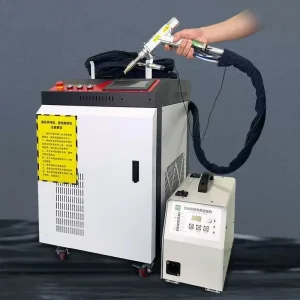
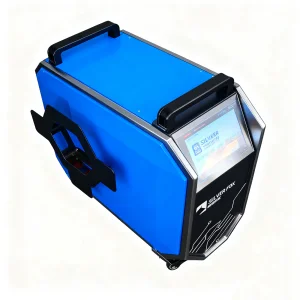
The rise of handheld, multi-process devices. Offering laser welding, cutting, and surface rust/paint cleaning in a single ergonomic package allows small-scale fabricators and maintenance crews to perform high-grade processing tasks on-site.
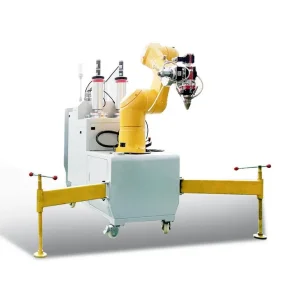
Additionally, advanced laser cladding technology (such as our 6000W system optimized for heavy transportation components) represents a critical roadmap node. By executing high-power cladding, components exposed to extreme mechanical wear can be coated with specialized metallurgy. This significantly extends the life cycle of heavy industrial assets and supports global green manufacturing initiatives.
For international buyers, importing industrial equipment carries significant compliance and safety responsibilities. CE Certification (Conformité Européenne) is not merely a regulatory stamp; it is an absolute verification of machine build quality, electromagnetic compatibility, and radiation safety. Shanghai Datum Machine Co., Ltd. engineers its laser cutting, welding, and cladding machinery to comply with rigorous European harmonized standards:
By insisting on CE-certified systems, industrial procurement officers secure reliable equipment that minimizes liability, guarantees operator safety in high-speed manufacturing environments, and ensures rapid integration into facilities audited under strict occupational health standards.
Our industrial laser systems are engineered for diverse, localized operational conditions across global markets:
Shanghai Datum Machine Co., Ltd. does not just sell standalone machines; we deliver complete macro-manufacturing solutions. The integration of modern manufacturing systems requires the harmonization of raw material input, optical processing, dust collection, and safety monitoring. By selecting a coordinated suite of fiber cutters, CNC pipe processing units, and material handling lines, industrial clients establish a flexible production workflow. Our systems allow for the rapid reconfiguration of manufacturing runs, enabling factories to transition from processing structural beam parts to precision thin-sheet components with zero downtime. From high-capacity industrial pipe manufacturing lines to compact workshop units, we customize automation profiles to match specific factory floor spaces, power distributions, and utility setups.
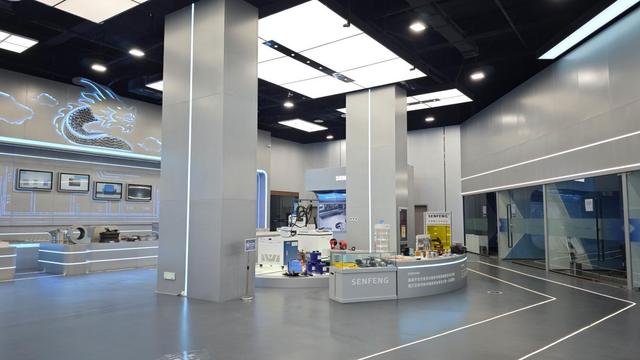
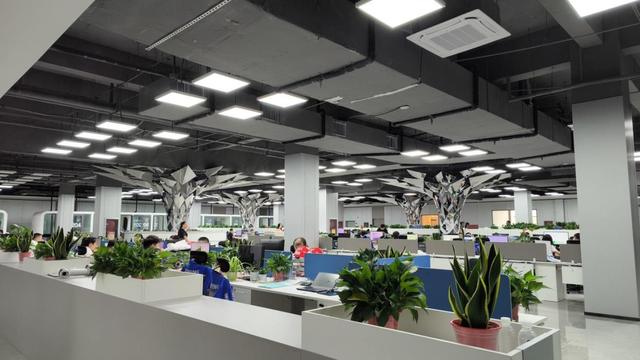
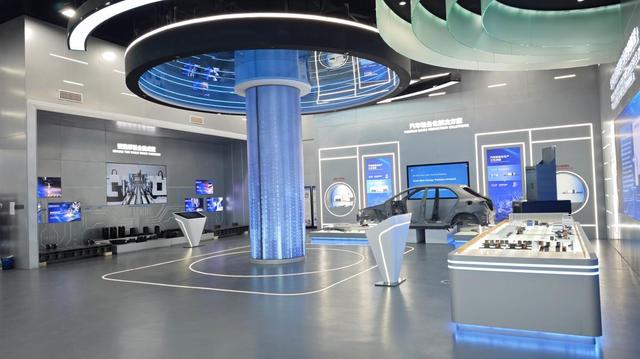
Inside our manufacturing workshops, assembly areas, and quality testing centers.
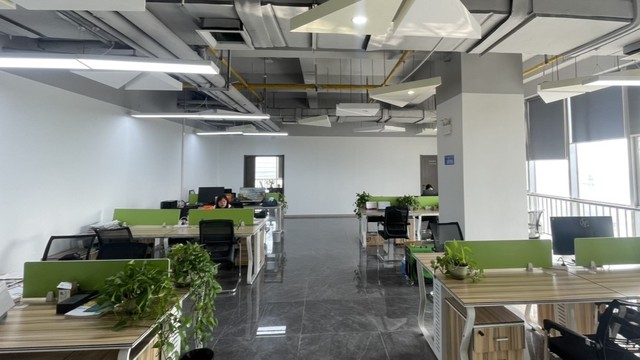
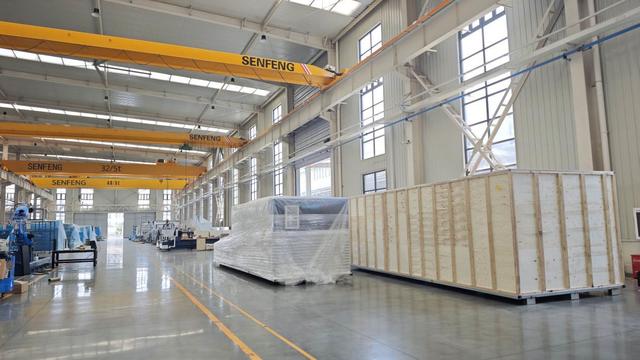
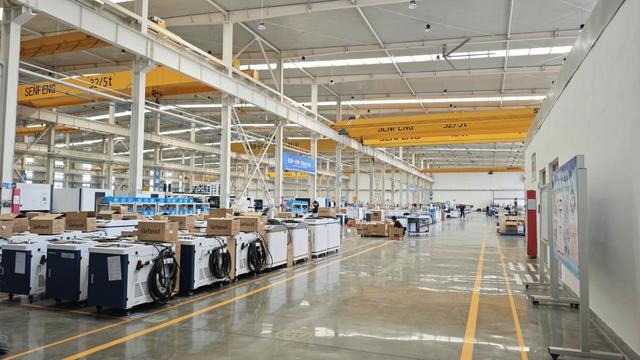
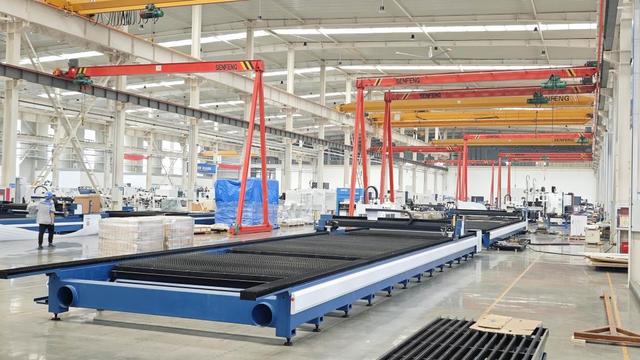
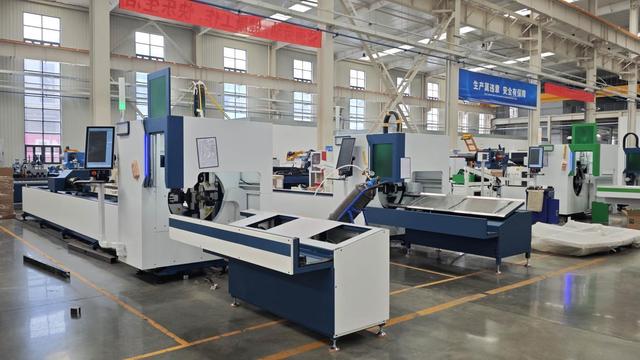
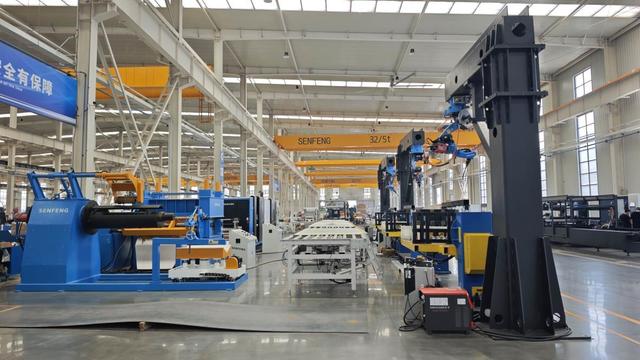
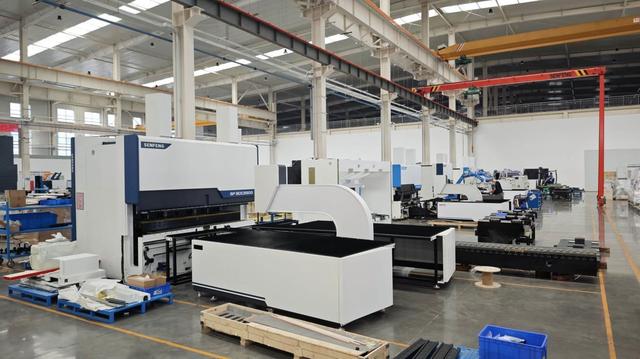
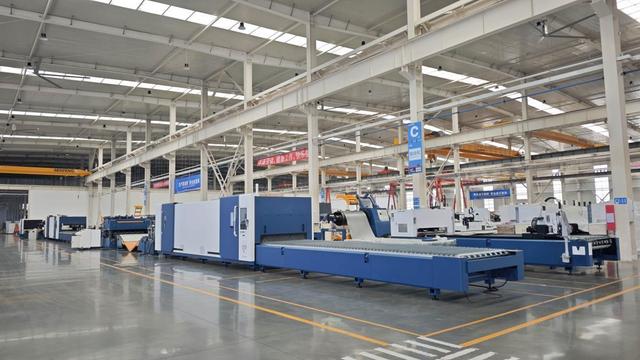
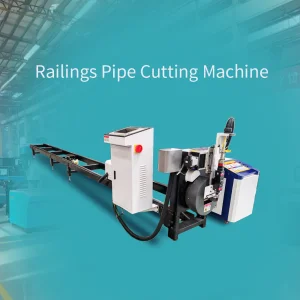
Continuous coil-fed setups, specialized tube processors, and multi-process handheld systems.
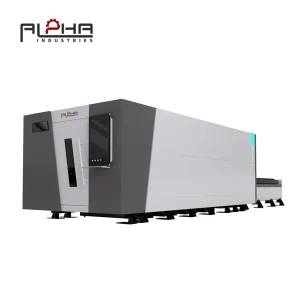
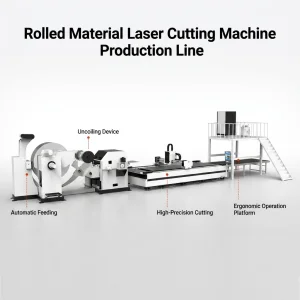
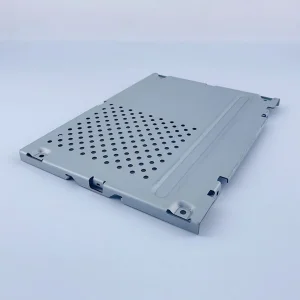
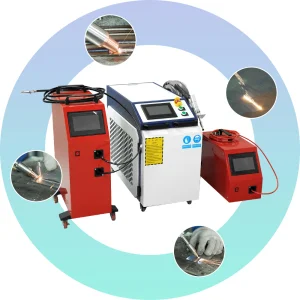
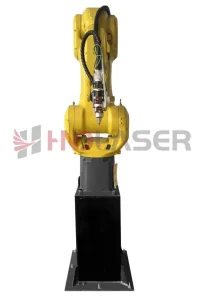
Detailed technical analysis addressing operational parameters, gas utility consumption, and safety parameters.
CE certification ensures the system is built with high-quality components and comprehensive protective features. This includes class 4 laser safety enclosures, active interlock circuits that disable the laser output if a chamber door is opened, dual-channel emergency stop circuits, and complete electromagnetic shielding. Standard uncertified machines may lack these crucial safety systems, increasing radiation risks, mechanical hazards, and electrical failures.
Oxygen assist gas relies on an exothermic reaction to cut carbon steel. This enables faster cuts with less pressure, but leaves a thin oxide layer on the cut edge that typically requires secondary removal before painting or welding. Nitrogen uses pure kinetic ejection and does not create oxide layers, producing a bright, clean surface. Compressed air provides a cost-effective, high-speed option for thin-gauge metal sections by combining nitrogen and oxygen, though it may result in slightly rougher edges.
Laser cladding uses a high-power beam (e.g., our 6000W cladding system) to melt a metal powder or wire feeding onto a substrate material. This creates a strong metallurgical bond with minimal dilution and a small heat-affected zone. This technology allows worn mechanical surfaces, such as shafts and gearboxes, to be rebuilt with wear-resistant alloy coatings. It reduces material costs and extends the working life of heavy industrial components.
Automated exchange tables allow operators to load new sheets and unload finished parts while the machine cuts on the alternate bed. This configuration reduces downtime and increases machine utility rates. By minimizing idle times between cutting runs, exchange tables optimize production workflows in high-volume manufacturing setups.
Performance is determined by beam power output, wobble frequency, and gas control system quality. Beam power dictates maximum penetration depth (e.g., 2000W systems can weld up to 5-6mm stainless steel), while adjustable wobble widths (0.5mm to 5mm) help accommodate variable seam tolerances. Integrated auto-wire feeders ensure consistent weld deposition, and smart purge gas controls prevent weld contamination.
Nesting algorithms arrange parts on raw sheets to maximize material utilization. Smart algorithms minimize scrap skeleton structures and reduce waste. Features like common-line cutting—where adjacent parts share a cut edge—reduce total head travel distances, lowering assist gas consumption and extending nozzle life.