Datum Machine Datum Machine

Why is Precision Vital in Metal Fabrication for Global Buyers?

Time:2026-08-21 Author:Charlotte
0%

In the competitive landscape of global metal fabrication, precision is a non-negotiable requirement. As reported by many industry leaders, companies that prioritize accuracy in production achieve better results. For instance, precision machining can increase material efficiency by up to 30%. This efficiency translates to cost savings and reduced waste, making it a vital aspect for both manufacturers and buyers.

Why is precision important in metal fabrication? The answer lies in quality and consistency. A study by the Precision Metalforming Association indicates that 75% of buyers emphasize the importance of precise tolerances in their purchasing decisions. Even minor deviations can lead to significant performance issues in end products. This reality underscores the need for advanced technologies and skilled labor in the fabrication process.

However, the journey toward precision is not without challenges. Many manufacturers struggle with outdated equipment or inadequate training. Additionally, market volatility and supply chain disruptions can compromise quality. As the industry continues to evolve, embracing precision will remain crucial for maintaining competitive advantage and meeting global standards.
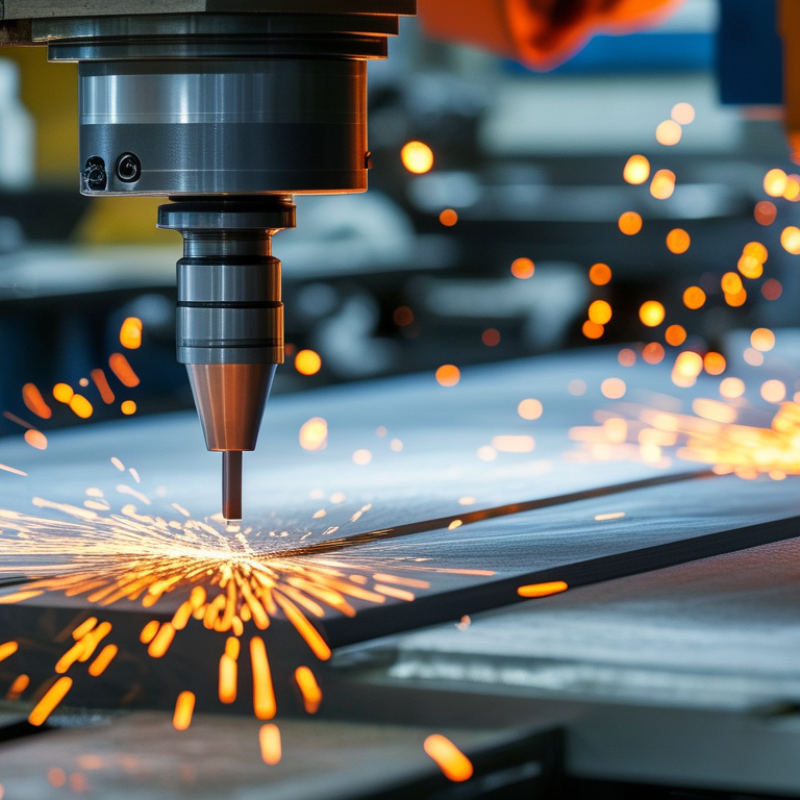
Why is Precision Vital in Metal Fabrication for Global Buyers?

Understanding the Importance of Precision in Metal Fabrication

Precision in metal fabrication serves as a cornerstone for global buyers seeking to maintain high-quality standards. In industries like aerospace and automotive, even a slight deviation can lead to catastrophic outcomes. Every detail counts; precise measurements ensure that components fit perfectly within larger systems. This reduces the risk of malfunctions, thereby enhancing safety and reliability.

However, achieving this level of precision is not always straightforward. The processes involved can be complex, and quality control must be rigorous. Small errors can accumulate, leading to significant issues. For instance, variations in temperature during metal cutting can distort dimensions. Manufacturers must invest in advanced technologies and skilled personnel to mitigate such risks. Regular training and updates in techniques are essential for maintaining precision.

The global demand for precise fabrication raises expectations. Buyers are increasingly aware of the importance of quality in their supply chains. Nevertheless, aligning precisely with these expectations can be challenging for fabricators. They must adapt to various standards and client requirements. Striking a balance between efficiency and exactness is essential yet often an imperfect pursuit. Continuous improvement and learning from mistakes are vital in navigating this complex landscape.

Importance of Precision in Metal Fabrication

The Impact of Precision on Product Quality and Performance

Precision in metal fabrication significantly influences product quality and performance. For global buyers, ensuring accuracy is crucial. According to a report by the Fabricators & Manufacturers Association International, nearly 70% of defective parts arise from precision issues. These inaccuracies can lead to costly reworks and delays. A lack of precision not only affects immediate production timelines but can also compromise long-term reliability.

Consider the aerospace industry, where tolerances can be as tight as ±0.001 inches. In such applications, the impact of imprecision can be catastrophic. The International Journal of Advanced Manufacturing Technology discusses that even minor deviations can result in failures during critical flight operations. This data underscores the necessity for strict adherence to precision standards.

However, perfection is elusive. Many manufacturers face challenges in maintaining consistent quality. A recent survey revealed that 40% of companies cited equipment limitations as a barrier to achieving precision. This highlights a need for continuous improvement and investment in advanced technologies. As the metal fabrication landscape evolves, a commitment to precision will remain vital for meeting buyer expectations and ensuring product excellence.

Global Standards and Regulations in Metal Fabrication Processes

Precision in metal fabrication is crucial for global buyers, especially concerning compliance with international standards. Various industries, such as aerospace and automotive, require strict adherence to regulations. Non-compliance can lead to costly recalls or serious safety issues. Manufacturers must remain aware of standards from organizations like ISO and ASTM, which dictate material properties and production techniques.

Establishing clear quality assurance protocols is essential. These protocols should include measurement techniques and inspection stages to ensure precision throughout the fabrication process. It's vital to document each step and maintain transparency with clients. This practice builds trust and reliability in a global market, where trust in suppliers is paramount.

Tips for maintaining adherence to standards include regularly updating training for staff. Ensure everyone understands the latest protocols and best practices. Regular audits can reveal gaps in processes that need reflection. Communication with clients about capabilities and limitations can prevent misalignments and improve overall project outcomes. Engaging in continuous feedback loops helps identify areas for improvement in production.

Why is Precision Vital in Metal Fabrication for Global Buyers? - Global Standards and Regulations in Metal Fabrication Processes

Dimension Standard/Regulation Importance Region
Tolerances ISO 2768 Ensures parts fit together correctly Global
Material Certifications ASTM A36 Verifies material quality and strength North America
Welding Procedures AWS D1.1 Ensures structural integrity of welds North America
Safety Standards OSHA 1910 Protects worker safety and health Global
Environmental Compliance ISO 14001 Reduces environmental impact of fabrication Global

Cost Efficiency and Waste Reduction through Precise Fabrication Techniques

Precision in metal fabrication is crucial for maximizing cost efficiency and minimizing waste. According to a recent industry report, reducing production errors by just 5% can lead to overall savings of up to 20%. This is essential for global buyers who face intense competition and pressure to maintain profit margins. Effective fabrication techniques like laser cutting and CNC machining ensure that materials are utilized optimally, thus lowering costs. Precision also enhances product quality, leading to fewer returns and defects.

Investing in advanced tools can be beneficial. These tools often deliver higher accuracy, which in turn reduces material waste. A report from the Fabricators & Manufacturers Association highlights that businesses using precise techniques can decrease scrap rates by 30% or more. This contributes to a more sustainable manufacturing process, which is increasingly important for buyers focused on environmental impact.

Reflecting on the challenges, achieving precision is not always straightforward. It requires consistent training and adaptation of technologies. Companies must evaluate their current practices and identify areas for improvement. Consider regular audits of processes to ensure they align with precision goals. Continuous improvement in skills and technology can help maintain competitiveness and efficiency in the long run.

The Role of Advanced Technology in Enhancing Fabrication Precision

Precision in metal fabrication is crucial, especially for global buyers who demand high-quality products. Advanced technology has become a key player in achieving this precision. According to the International Federation of Robotics, the adoption of industrial robots in metal fabrication has increased by over 30% in recent years. This surge indicates a widespread recognition of technology's role in enhancing manufacturing accuracy.

Robotic systems and CNC (Computer Numerical Control) machines significantly reduce human error. These systems can operate within tolerances of just 0.01 mm. This level of precision is vital for industries such as aerospace and automotive, where even a minor deviation can lead to catastrophic failures. However, integrating these technologies requires substantial investment and training. Small businesses may struggle in this transition, lacking the resources to keep pace with advancements.

Despite significant advancements, challenges remain. Not every fabrication facility can implement the latest tech. Some still rely on outdated processes. A report by the American Society of Mechanical Engineers states that nearly 20% of small manufacturers report difficulties in adopting new technologies. These obstacles highlight the need for ongoing education and support within the industry. Precision remains an elusive goal for many, but with perseverance and the right tools, it can be achieved.

FAQS

: Why is precision important in metal fabrication?

: Precision is critical to ensure product quality and compliance with international standards, especially in industries like aerospace.

What regulations should manufacturers be aware of?

Manufacturers must comply with standards from organizations like ISO and ASTM, which define material properties and production methods.

How can manufacturers maintain quality assurance?

They should establish clear protocols, including measurement techniques and inspection stages to ensure precision throughout fabrication.

What role does advanced technology play in fabrication?

Advanced technology, such as robotic systems and CNC machines, significantly enhances precision and reduces human error.

What investment is needed for adopting new technologies?

Implementing advanced technology requires substantial financial investment and extensive training for staff, which can be challenging for small businesses.

Are all fabrication facilities using advanced technology?

No, some facilities still rely on outdated processes, and about 20% of small manufacturers struggle to adopt new technologies.

How can regular audits benefit manufacturers?

Regular audits can identify gaps in processes that need reflection and improvement, ensuring ongoing compliance and quality.

Why is communication with clients important?

Clear communication about capabilities and limitations can prevent project misalignments and improve overall outcomes.

What challenges do small manufacturers face?

Small manufacturers often lack the resources to keep pace with technological advancements, leading to difficulties in their operations.

What is essential for continuous improvement in production?

Engaging in continuous feedback loops can help identify areas for improvement and enhance overall production quality.

Conclusion

In the realm of metal fabrication, understanding why is precision important in metal fabrication cannot be overstated. Precision plays a crucial role in ensuring product quality and enhancing overall performance. It not only meets the stringent global standards and regulations but also contributes significantly to cost efficiency and waste reduction through effective fabrication techniques. When organizations prioritize precision, they can greatly minimize errors and defects, leading to higher customer satisfaction and long-term success.

Moreover, the incorporation of advanced technology in fabrication processes further amplifies precision. Techniques such as computer numerical control (CNC) machining and laser cutting allow for intricate designs and exact measurements, ensuring that the final products meet or exceed industry specifications. As global buyers increasingly seek reliable and top-quality metal products, emphasizing precision in fabrication becomes essential for manufacturers aiming to remain competitive in a rapidly evolving market.

Charlotte

Charlotte

Charlotte is a seasoned marketing professional with a deep understanding of the company's portfolio and a passion for elevating its presence in the market. With a keen eye for detail and a commitment to excellence, she ensures that our professional blog is regularly updated with insightful articles......