Datum Machine
In 2026, laser automation is reshaping the manufacturing landscape. According to a recent report by the International Federation of Robotics, the adoption of laser automation technologies is expected to grow by 25% annually. This increase highlights a critical question: "Why are manufacturers investing in laser automation?"
Industry expert Dr. Emily Chen emphasizes, "Laser technology enhances precision while reducing production costs." Manufacturers are drawn to these tools for their efficiency. As companies face rising labor costs and supply chain complexities, automation becomes vital.
Moreover, laser automation offers scalability in production. It allows for quick adjustments to meet market demands. While embracing these technologies, companies must ponder potential challenges. Integration and workforce training cannot be overlooked. As investments surge, a reflective approach is essential for long-term success.
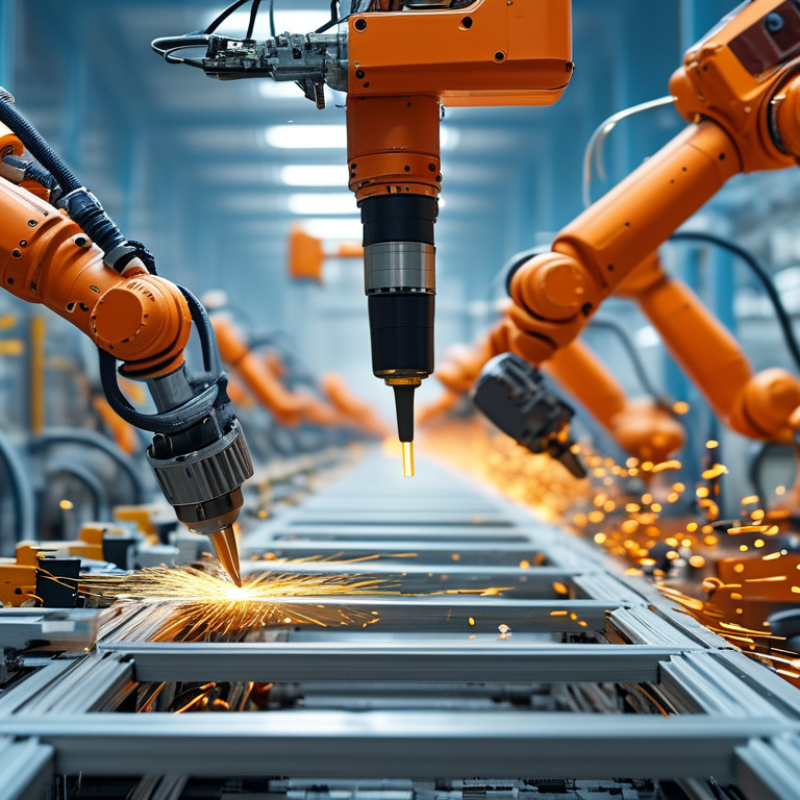
Manufacturers are increasingly investing in laser automation to meet the rising demand for precision. In 2026, this demand is more pronounced than ever. Industries are realizing that traditional methods often fall short when it comes to accuracy. Precision laser systems enable intricate designs and tight tolerances that enhance product quality.
The need for consistency in production processes drives this shift. Laser technology offers repeatability that manual methods simply cannot match. A slight misalignment in production can lead to significant issues downstream. Many manufacturers struggle with this challenge. They find that laser systems can reduce error rates substantially.
However, the transition is not without its challenges. The initial investment in laser automation can be daunting. Training personnel and integrating new systems require time and effort. There is also a learning curve for optimizing laser settings. Manufacturers must evaluate whether the long-term benefits outweigh these initial hurdles.
The projected return on investment (ROI) for laser automation technologies in 2026 is illuminating for manufacturers. According to a recent industry report by a leading research firm, companies can expect an ROI of up to 30% within the first three years of implementing laser automation. This significant increase can be attributed to enhanced efficiency, reduced labor costs, and minimized waste. In an environment where competitiveness is crucial, such figures stand out.
Manufacturers are also seeing substantial gains in productivity. A survey indicated that 55% of factories reported time savings of over 20% after adopting laser technologies. This leap enables them to meet demand more effectively. However, integrating these systems poses challenges. Many firms still face a steep learning curve, illustrating a potential gap between technology and workforce capabilities.
The initial costs of laser automation can be daunting. Recent data shows that 40% of companies hesitate due to high upfront investments. Yet, these expenditures often pay off through long-term savings and increased production rates. Addressing the workforce's adaptability becomes essential to maximize this technology's potential. Overall, the anticipated economic impact of laser automation in the coming years cannot be overlooked as manufacturers navigate this transformative landscape.
In 2026, manufacturers are increasingly turning to laser automation due to significant technological advancements. Precision and efficiency have become paramount in the industry. Recent studies show that laser systems can improve cutting speeds by up to 50% compared to traditional methods. This substantial boost enables companies to meet rising demand without compromising quality.
Innovations in laser technology are noteworthy. For instance, fiber lasers have emerged as a game changer. They offer enhanced performance, reduced energy consumption, and lower operational costs. A report by the International Laser Manufacturing Association states that fiber lasers can decrease production costs by approximately 20%. This is critical for manufacturers aiming to optimize budgets while maintaining competitiveness.
However, the transition to laser automation is not without challenges. Many firms face obstacles in workforce training and integration of new systems. Additionally, the initial investment can be daunting. Yet, the long-term benefits often outweigh these hurdles. As technology continues to evolve, staying informed about these innovations is essential for success in automation.
Labor shortages are a pressing issue in manufacturing. Many companies struggle to find skilled workers. This gap leads to delays and impacts productivity. Automation, particularly through laser technology, offers a solution to these challenges. By integrating automation, manufacturers can maintain efficiency even with fewer workers.
Laser automation can perform precise tasks quickly. Jobs that require meticulous attention, such as cutting or engraving, benefit greatly from this technology. For instance, the capability to work continuously without fatigue makes lasers invaluable. Yet, there are concerns about the initial costs and the learning curve involved. Some manufacturers may hesitate to invest due to these factors.
Continuous training and adaptation are necessary. Employees must learn to work alongside automated systems. Companies need to ensure they strike a balance between human oversight and machine efficiency. This approach fosters a collaborative environment. It also helps address the human touch that automation cannot replicate completely. Embracing this change is essential for future growth.
Manufacturers are increasingly turning to laser automation for its potential to enhance production efficiency and quality. According to a recent industry report, laser technology can improve manufacturing processes by up to 30%. This efficiency is mainly due to faster processing times and reduced material waste. Laser cutting and engraving are precise, allowing for intricate designs that traditional methods struggle to achieve.
The quality of production also sees a significant boost. A study from the global manufacturing association indicates that companies implementing laser automation have experienced a 40% reduction in defect rates. This improvement leads to higher customer satisfaction and lower rework costs. However, the initial investment in laser systems can be daunting, and not all manufacturers achieve immediate returns.
While the benefits are clear, transitioning to laser automation poses challenges. Many companies face a steep learning curve and require training to effectively operate new technologies. Additionally, integrating laser systems with existing machinery can lead to unforeseen complications. Businesses must weigh the pros and cons carefully to ensure a successful implementation. Proper planning and strategy are essential for overcoming these hurdles.
| Aspect | Details | Impact on Production | Investment Percentage (%) |
|---|---|---|---|
| Increased Efficiency | Faster processing times and reduced cycle times. | Enhances throughput and reduces labor costs. | 30% |
| Improved Quality | Higher precision and consistency in outputs. | Minimizes defects and rework rates. | 25% |
| Flexibility | Easier adaptation to new products and designs. | Supports innovation without major downtime. | 20% |
| Cost Reduction | Lower operational costs related to maintenance and materials. | Decreases overall production expenditures. | 15% |
| Sustainability | Reduces waste generated during production. | Enhances company reputation and compliance with regulations. | 10% |
: The projected ROI is up to 30% within the first three years of use.
About 55% of factories report time savings exceeding 20%.
There is a steep learning curve and workforce capability gaps.
Around 40% of companies are deterred by high upfront costs.
It can enhance productivity by up to 30% through faster processing and less material waste.
Companies may see a 40% reduction in defect rates, boosting customer satisfaction.
No, not all manufacturers experience instant payoffs after investing.
Proper planning and strategy are crucial to overcome potential obstacles.
Yes, integration can lead to unforeseen challenges for some businesses.
They must weigh the pros and cons and address workforce adaptability.
In 2026, manufacturers are increasingly seeking precision in their production processes, leading to a rise in investments in laser automation. This investment is driven by several factors, including the projected return on investment (ROI) that laser automation technologies promise. As businesses strive to enhance their operational efficiency and product quality, the advancements in technology, such as improved laser systems and software, play a crucial role in this transition.
Additionally, the ongoing labor shortages in the manufacturing sector highlight the need for automation solutions that can mitigate workforce challenges. By adopting laser technology, companies can not only streamline their production processes but also gain a significant competitive advantage in the market. Consequently, understanding why manufacturers are investing in laser automation becomes essential for navigating the future of the manufacturing landscape.
