Datum Machine Datum Machine

How Does Laser Cutting Lower Manufacturing Costs for Businesses?

Time:2026-07-17 Author:Ethan
0%

In recent years, laser cutting technology has gained traction among manufacturers striving to reduce operational costs. According to a report by the International Journal of Advanced Manufacturing Technology, laser cutting can lower production costs by as much as 20-30%. This significant reduction is achieved through improved precision and reduced waste. Industry expert, Dr. Emily Carter, states, "When evaluating how does laser cutting reduce production costs, it's clear that efficiency and accuracy are key factors."

The technology minimizes material waste and decreases the time taken for setups. Traditional cutting methods often involve multiple steps, which can escalate labor costs. Laser cutting streamlines this process, requiring less human intervention. A 2022 study from the Manufacturing Institute highlights that integrating laser cutting can lead to a 15% faster production rate in metal fabrication.

Despite these advantages, businesses should consider initial equipment costs and maintenance. While the long-term savings are substantial, the capital investment can be a barrier for smaller firms. Thus, thorough analysis and planning are essential when adopting this technology. Balancing the immediate costs against the potential savings will ultimately guide manufacturers in decision-making.
How Does Laser Cutting Lower Manufacturing Costs for Businesses?

Understanding Laser Cutting Technology and Its Applications

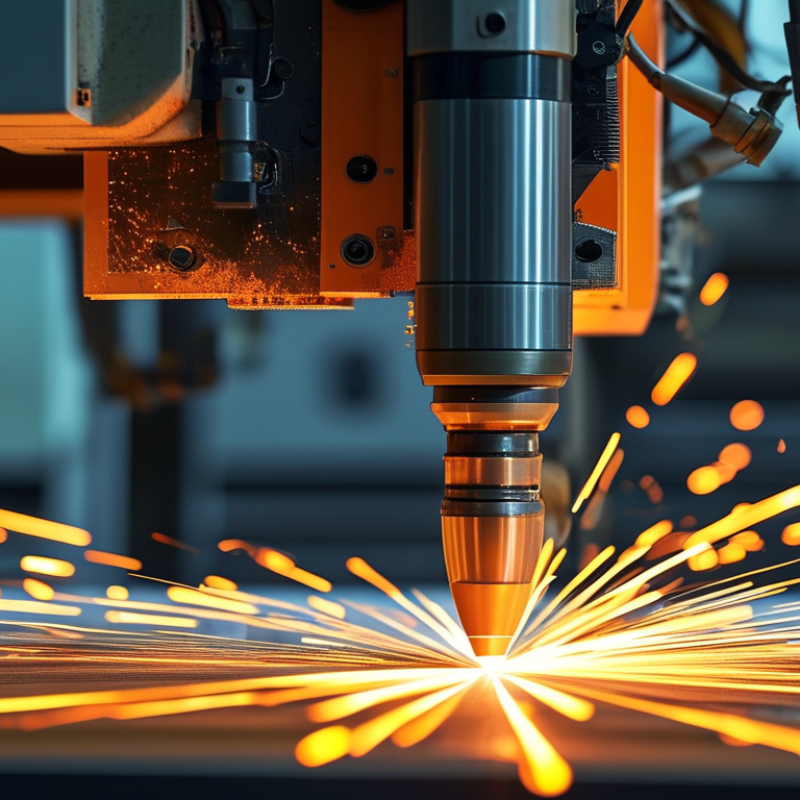
Laser cutting technology has transformed the manufacturing landscape. It utilizes concentrated beams of light to cut through materials with precision. This method is particularly effective for materials like metal, wood, and plastic. Businesses often turn to laser cutting for its speed and accuracy. The process minimizes waste, thereby reducing costs significantly.

Moreover, laser cutting can create intricate designs that traditional methods struggle with. This capability allows manufacturers to offer unique products. Even so, understanding laser cutting requires technical knowledge. Training staff to operate these machines can be challenging. Additionally, initial investment costs can be high.

Yet, the long-term benefits often outweigh these concerns. Laser cutting enhances production efficiency. It can handle high volumes, requiring less time for setup. As businesses adapt to these innovations, they must remain open to evolving technologies. Reflection on the process and outcomes can lead to better implementation strategies.

Cost Savings in Manufacturing with Laser Cutting Technology

Cost Efficiency of Laser Cutting Compared to Traditional Methods

Laser cutting is transforming the manufacturing landscape through improved cost efficiency. Traditional cutting methods often require multiple processes, which can inflate production costs. Laser cutting, however, streamlines this by combining several steps into one. This reduces labor and material waste, making it an attractive option for businesses.

Investing in laser technology can lead to significant savings. It operates at high speeds and with precision, minimizing errors that typically arise with manual methods. Machine upkeep is often lower, and the technology can handle a variety of materials. This versatility lowers overall production costs and increases competitiveness in the market.

Tips: Consider the initial investment in laser cutting equipment. While it may seem steep, the long-term savings can be substantial. Regular training for staff ensures they can operate the systems efficiently. Staying updated with technological advancements is vital to maximize the potential benefits of laser cutting. Continuous assessment of operations can reveal areas for improvement, guiding investment decisions effectively.

Reduction of Material Waste Through Precision Cutting Techniques

Laser cutting technology is transforming the manufacturing landscape by significantly reducing material waste. Traditional cutting methods often lead to excess scraps and inefficient use of resources. In contrast, laser cutting offers precision that allows for intricate designs with minimal leftover material. This efficiency not only saves money but also minimizes environmental impact.

When planning your projects, consider the design intricacy. Complex patterns can be cut precisely, resulting in less waste. Aim for designs that utilize the full material sheet. This helps avoid wasting valuable resources. Every piece counts, and optimizing layout is essential.

Another tip is to evaluate your material choices. Some materials work better with laser cutting than others. Research different options to find those that offer the best yield. Understanding the properties of your materials can lead you to smarter choices, ultimately lowering costs. Remember, taking time to think through these aspects can significantly enhance your manufacturing efficiency.

Impact of Laser Cutting on Labor Costs and Workforce Requirements

Laser cutting technology significantly impacts labor costs and workforce requirements in manufacturing. Traditional cutting methods often require more manual labor. In contrast, laser cutting reduces the need for multiple operators. This technology streamlines operations and enhances productivity, allowing fewer workers to manage more tasks.

With fewer personnel required, businesses can allocate resources more efficiently. However, adopting laser cutting also necessitates skilled operators familiar with the technology. Although initial training might be an investment, it pays off by improving precision and reducing errors. Operators can focus on monitoring and quality assurance rather than repetitive manual tasks.

This shift in workforce dynamics can lead to challenges. Workers may need to upskill, which could create a temporary knowledge gap. Organizations must address this by providing adequate training. Balancing the deployment of advanced technology with workforce development is crucial for sustainable growth. Overall, the integration of laser cutting leads to significant savings on labor costs while requiring a thoughtful approach to workforce management.

Long-Term Financial Benefits of Investing in Laser Cutting Equipment

Investing in laser cutting equipment proves beneficial for many manufacturing businesses. The technology reduces material waste significantly. Reports indicate that laser cutting can decrease material scrap rates by up to 40%. This reduction not only conserves resources but also directly lowers costs. When companies minimize waste, they can redirect funds towards other vital areas, enhancing overall productivity.

Additionally, laser cutting offers speed and precision in production processes. Faster turnaround times mean businesses can meet tight deadlines and cater to larger orders. According to industry studies, laser cutting speeds can be three to five times faster than traditional methods. This efficiency can lead to higher revenue and improved customer satisfaction. However, the initial investment for laser cutting machinery may be a concern for some. The long-term savings from operational costs, labor reduction, and enhanced quality often outweigh the upfront expenses.

Although laser cutting technology is beneficial, it requires skilled operators. Training personnel can incur extra costs and operational challenges. Furthermore, not all materials are suitable for laser cutting. Businesses must evaluate their specific needs and processes. The decision to invest should be based on comprehensive analysis rather than trends.

How Does Laser Cutting Lower Manufacturing Costs for Businesses? - Long-Term Financial Benefits of Investing in Laser Cutting Equipment

Cost Factor Traditional Method Cost ($) Laser Cutting Cost ($) Savings ($) Long-Term Benefit
Material Waste 2000 1200 800 Reduced material costs
Labor Costs 1500 800 700 Lower labor expenses
Setup Time 3 hours 1 hour 2 hours saved Increased production efficiency
Maintenance Costs 500 300 200 Lower maintenance burdens
Total Savings 5000 2600 2400 Significant cost reduction

FAQS

: What is laser cutting technology?

: Laser cutting uses concentrated light beams to cut materials with high precision. It is effective for metal, wood, and plastic.

Why do businesses choose laser cutting?

Businesses favor laser cutting for its speed and accuracy. It minimizes waste, helping to lower production costs significantly.

How does laser cutting benefit production efficiency?

Laser cutting enhances efficiency by handling large volumes quickly. It requires less time for setup compared to traditional methods.

What are the long-term financial benefits of laser cutting?

Investing in laser cutting reduces material waste and can decrease scrap rates by up to 40%, leading to cost savings.

Are there any challenges with laser cutting technology?

Yes, training skilled operators can be difficult and costly. Not all materials are compatible with laser cutting.

Why is training important for laser cutting?

Skilled operators ensure the technology is used efficiently. Poor training can lead to mistakes and increased operational costs.

Is the initial investment for laser cutting high?

Initial costs can be significant. However, long-term savings often outweigh these upfront expenses through reduced operational costs.

Can businesses expect higher revenue with laser cutting?

Yes, faster production speeds and precision can lead to increased revenue and improved customer satisfaction.

Should businesses follow trends to invest in laser cutting?

No, businesses should evaluate their specific needs. A comprehensive analysis is crucial before making an investment decision.

What could be a drawback of laser cutting?

It requires ongoing reflection on processes for effective implementation. Overlooking this can lead to inefficient practices.

Conclusion

Laser cutting technology has revolutionized manufacturing by significantly lowering production costs for businesses. By leveraging precision cutting techniques, laser cutting minimizes material waste compared to traditional methods, leading to more efficient use of resources. Additionally, the high accuracy of laser cutting reduces the need for extensive labor, thus impacting labor costs and workforce requirements positively.

Investing in laser cutting equipment not only brings immediate savings but also offers long-term financial benefits, making it a smart choice for businesses looking to enhance their operations. In summary, understanding how does laser cutting reduce production costs is essential for companies aiming to stay competitive in the manufacturing landscape.

Ethan

Ethan

Ethan is a seasoned marketing professional with a deep expertise in our company's innovative product line. With a passion for sharing knowledge and insights, he takes the lead in regularly updating our corporate blog, where he explores industry trends, product features, and effective marketing......