Datum Machine Datum Machine

Why is Laser Cutting Essential for Modern Manufacturing?

Time:2026-06-17 Author:Mason
0%

In today's competitive landscape, manufacturers constantly seek innovative solutions. Laser cutting technology stands out as a game changer. Understanding why is laser cutting important in manufacturing is crucial for businesses aiming to enhance efficiency.

Laser cutting offers precision and flexibility. It allows the creation of intricate designs with minimal waste. This technology reduces production time significantly. However, it also requires skilled operators who understand the nuances of the equipment. Training and maintenance can be challenging.

Moreover, the initial investment in laser cutting systems can be substantial. Companies must weigh costs against potential benefits. As industries evolve, embracing this technology may become necessary for survival. The decision to adopt laser cutting should be thoughtful and strategic.
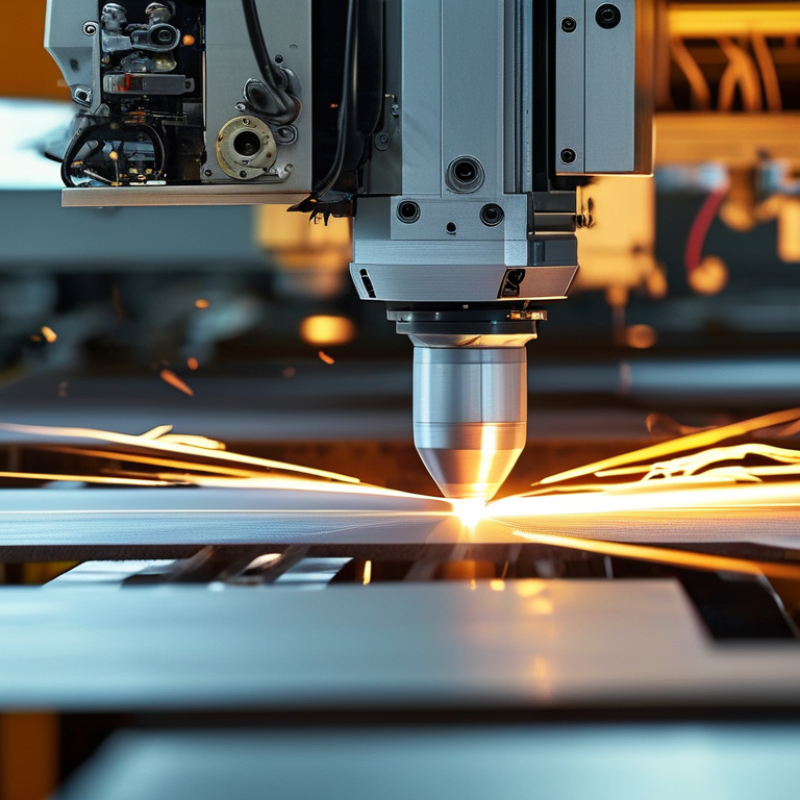
Why is Laser Cutting Essential for Modern Manufacturing?

The Evolution of Laser Cutting Technology in Manufacturing

Laser cutting technology has significantly evolved over the past few decades. Initially, it emerged as a niche tool for precision cutting in specific industries. Now, it is a cornerstone in sectors like automotive, aerospace, and electronics. Early laser cutters were slow and costly. However, advancements have made them faster and more efficient.

The introduction of fiber lasers changed the game. They offer higher efficiency and lower operational costs. This shift enabled smaller manufacturers to adopt laser cutting. Now, even modest businesses can access this technology. The growth in software capabilities has also played a role. Companies can now design complex cuts with ease. This innovation enhances creativity while reducing waste.

Despite these advancements, challenges remain. The learning curve for operating laser cutters can be steep. Users often face difficulties understanding machine settings. There is also the issue of material compatibility. Not all materials react well to laser cutting. Manufacturers need to carefully choose the right combination. This necessitates constant research and adaptation in the cutting process.

Key Advantages of Laser Cutting Over Traditional Methods

Laser cutting has transformed modern manufacturing in many ways. This technology offers precision and efficiency that traditional methods often cannot match. Speed is a significant advantage. Laser cutting can process materials faster, which enhances productivity. It reduces downtime significantly, allowing companies to meet tight deadlines.

Moreover, the versatility of laser cutting stands out. It works with various materials, including metals, plastics, and wood. This flexibility opens up design possibilities that traditional methods might not accommodate. Complex shapes and intricate designs become more attainable. With the ability to cut and engrave, laser technology serves numerous industries.

Tips for manufacturers considering laser cutting include investing in training. Staff must understand how to use this technology effectively. Understanding settings and maintenance can enhance performance. Additionally, regularly evaluating the material compatibility is essential. Some materials may require different laser settings, impacting quality. Emphasizing these adjustments can lead to better results and reduce waste.

Impact of Laser Cutting on Precision and Quality Control

Laser cutting has revolutionized the manufacturing landscape, significantly impacting precision and quality control. This technology utilizes focused laser beams to cut through various materials with extreme accuracy. The ability to produce intricate designs with minimal error sets laser cutting apart from traditional methods. Manufacturers are turning to this process to meet the high standards of modern production.

One of the key advantages of laser cutting is its ability to create clean, precise edges. This reduces the need for further finishing, saving time and costs. However, achieving perfect results isn't always guaranteed. Factors such as material type, thickness, and speed can affect the final outcome. Manufacturers must carefully calibrate their machinery and monitor processes to maintain the desired quality.

Moreover, laser cutting improves repeatability in production. Once the parameters are set, the same item can be replicated numerous times without loss of quality. Yet, this reliance on technology can lead to complacency. Sometimes, issues arise from neglected maintenance or operator error. Continuous training and quality checks are crucial to ensure that laser cutting remains a reliable choice in modern manufacturing.

Market Growth and Adoption Rates of Laser Cutting Systems

Laser cutting technology has seen significant growth in recent years. Industries are increasingly adopting laser systems due to their precision and versatility. The global market for laser cutting systems is projected to expand as manufacturers seek ways to enhance efficiency. Investment in these technologies continues to rise, reflecting a commitment to modernization.

The adoption rate of laser cutting systems varies by industry. In sectors like automotive and aerospace, the technology is becoming standard. However, some smaller businesses hesitate. High initial costs and technical requirements can be barriers. There are also concerns about the learning curve for operators, which could hinder immediate implementation.

Despite these challenges, the benefits often outweigh the drawbacks. Laser cutting offers reduced material waste and higher accuracy compared to traditional methods. As more manufacturers recognize these advantages, market growth is likely to accelerate. The future of manufacturing may hinge on embracing innovative technologies like laser cutting.

Future Trends in Laser Cutting Technology for Manufacturing Efficiency

Laser cutting is transforming modern manufacturing with its precision and efficiency. As technology progresses, we witness emerging trends that enhance laser cutting capabilities. One such trend is the integration of artificial intelligence. AI can optimize cutting paths, resulting in shorter production times and reduced material waste. Automated systems also streamline operations, creating a more cohesive workflow.

Another noteworthy trend is the development of fiber lasers. These lasers offer higher efficiency compared to traditional CO2 lasers. This shift not only lowers energy consumption but also improves cutting speeds. Manufacturers can achieve cleaner cuts on various materials, including metals. However, this advancement demands that technicians adapt quickly.

The rise of advanced software solutions in laser cutting is reshaping the industry. Innovations in design software allow for complex geometries to be cut with ease. Nonetheless, challenges remain in ensuring that every design is feasible for laser technologies. Evaluating the limits of precision becomes crucial. Continued training and investment in technology will be essential as the landscape evolves.

Impact of Laser Cutting on Manufacturing Efficiency

FAQS

: What is laser cutting?

: Laser cutting uses focused laser beams to cut materials with high precision.

How does laser cutting improve production quality?

It creates clean, precise edges, reducing the need for further finishing.

What factors can affect laser cutting results?

Material type, thickness, and cutting speed all impact the final outcome.

How does laser cutting enhance repeatability?

Once parameters are set, items can be replicated numerous times with consistent quality.

Are there risks associated with using laser cutting?

Yes, neglecting maintenance or operator errors can lead to issues in production.

What is a trend in laser cutting technology?

The integration of artificial intelligence optimizes cutting paths and reduces production times.

What benefits do fiber lasers offer?

Fiber lasers improve efficiency, lower energy consumption, and enhance cutting speeds.

What challenges do manufacturers face with new software in laser cutting?

Ensuring all designs are feasible with laser technologies requires careful evaluation and training.

Why is continuous training important in laser cutting?

Ongoing training helps technicians adapt to new technology and maintains production quality.

Can all materials be effectively cut with lasers?

Not all materials are suitable; evaluating compatibility and limits is necessary.

Conclusion

Laser cutting has become a cornerstone of modern manufacturing, fundamentally transforming production processes. The technology has evolved significantly, offering key advantages over traditional cutting methods such as enhanced precision, speed, and the ability to work with a wide range of materials. This accuracy not only streamlines operations but also elevates quality control, ensuring that components meet stringent specifications consistently.

As industries continue to embrace these advancements, the market for laser cutting systems is expanding rapidly, driven by the need for efficient and cost-effective manufacturing solutions. The question of "why is laser cutting important in manufacturing" is answered through its transformative impact on productivity and quality. Looking ahead, future trends suggest ongoing innovations in laser cutting technologies will further enhance manufacturing efficiency, solidifying its role as an essential tool in the industry.

Mason

Mason

Mason is a seasoned marketing professional with a deep expertise in the company's offerings and a passion for driving brand awareness. With a strong background in digital marketing strategies, he has an innate ability to connect with diverse audiences and effectively communicate product benefits.......