In the realm of industrial manufacturing, laser cutting has emerged as a pivotal technique due to its precision and efficiency. However, when considering what factors affect laser cutting quality, it becomes essential for global buyers to understand various aspects that can influence outcomes. According to a report by the International Laser Cutting Association, faulty setups can reduce cut quality by nearly 40%. This highlights the importance of meticulous preparation.
Expert John Smith, a leading figure in laser technology, asserts, "Every variable, from material type to laser power, plays a crucial role in determining cut quality." His insights emphasize the intricate balance needed in laser cutting processes. Buyers must also consider factors such as beam quality, cutting speed, and cooling methods, as they all intersect in the quest for superior results.
Moreover, an examination of data from industry studies reveals a stark reality: many companies overlook basic calibration and maintenance protocols. This oversight can lead to increased waste and production costs. As demand for precision rises, understanding what factors affect laser cutting quality should not only be a goal but an ongoing commitment for buyers aiming for excellence.
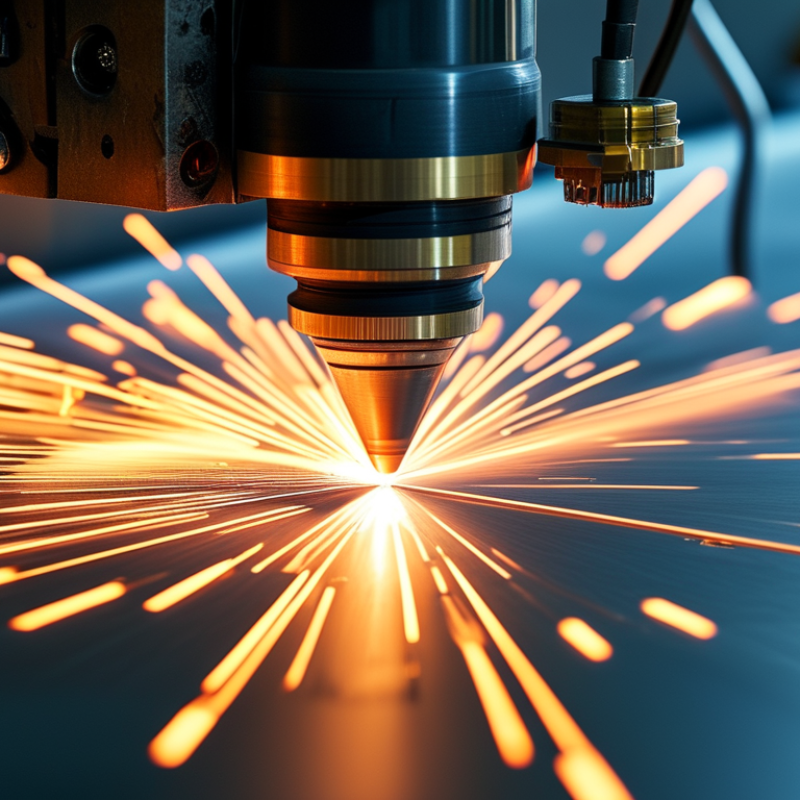
Factors Influencing Laser Beam Quality in Cutting Processes
The quality of laser cutting is heavily influenced by the characteristics of the laser beam itself.
Beam quality, measured by factors like M² value, plays a crucial role.
A lower M² value indicates a more focused beam, leading to finer cuts and minimal thermal damage.
In contrast, a poor-quality beam can result in wider kerfs and increased burr formation.
Focusing optics also impacts laser performance. Imperfections in lenses can degrade beam quality.
Therefore, maintaining optics is essential. Regular cleaning and inspection can help preserve the cutting precision.
Beam stability during cutting is also essential. Variations in intensity can lead to inconsistent results.
This aspect often requires monitoring of the power supply and associated electronics.
Furthermore, beam alignment requires attention.
Misalignment can cause energy loss and uneven cutting. Regular alignment checks are necessary, especially before critical operations.
These factors highlight the complexity of laser cutting quality.
Balancing them requires ongoing evaluation and adjustments.
Material Properties Impacting Laser Cutting Performance and Precision
Laser cutting is a precise method, but various material properties greatly influence its quality.
Thickness, composition, and surface finish all play vital roles.
For instance, thicker materials absorb more heat, which can lead to warping. Different compositions may also react differently to lasers, impacting cut edges and kerf width.
Tips:
Always test cut samples before final production.
This helps identify how different materials react.
Surface finish affects laser cutting precision.
A rough surface can create inconsistencies in cutting.
The presence of contaminants like oil or dirt can further deteriorate the cut quality.
Material density and reflectivity also contribute to how well the laser performs.
Materials with high reflectivity are difficult to cut effectively.
Tips:
Choose materials with the appropriate surface treatment to enhance cutting performance.
Regularly inspect materials for cleanliness and uniformity.
The Role of Laser Power and Speed in Cutting Quality Optimization
Laser cutting quality significantly hinges on laser power and speed. The right combination can enhance cutting precision. Low power may yield incomplete cuts, while excessive power can lead to burn marks and rough edges. Buyers must consider material type. Different materials respond uniquely to various power levels. For instance, thicker metals often require higher power settings, while finer materials benefit from lower intensity.
Speed is equally crucial. High speeds can reduce cut quality, resulting in a lack of precision. Conversely, cutting too slowly can create excessive heat, leading to material warping. The balance between power and speed needs constant evaluation. This balance may vary depending on the application and the specific requirements of the cut.
While achieving optimal cutting quality is attainable, many factors can complicate the process. Different equipment settings may produce unexpected results. It’s essential to understand these variables and adapt accordingly. Experimentation is sometimes necessary to find the best parameters, leading to trial and error. Staying informed about advancements in laser technology can aid in refining cutting practices.
What Factors Affect Laser Cutting Quality for Global Buyers? - The Role of Laser Power and Speed in Cutting Quality Optimization
| Parameter |
Description |
Impact on Cutting Quality |
Recommended Range |
| Laser Power |
The amount of energy emitted by the laser. |
Higher power can improve cutting speed but may lead to more heat and potential material distortion. |
500-5000 W |
| Cutting Speed |
The speed at which the laser moves over the material. |
Balancing speed with power is crucial; too fast can lead to inadequate cutting. |
10-200 mm/s |
| Material Thickness |
Thickness of the material being cut. |
Thicker materials require higher power and slower speeds. |
1-25 mm |
| Gas Type |
Type of assist gas used in the cutting process. |
Different gases (e.g., oxygen, nitrogen) can alter the quality of the cut surface. |
Oxygen, Nitrogen, Air |
| Focus Position |
The point where the laser beam is most concentrated. |
Improper focus can lead to poor cut edges and excess dross. |
On the surface to slightly below the material |
Importance of Focus and Beam Diameter in Laser Cutting Efficiency
The focus and beam diameter significantly influence laser cutting efficiency. A well-defined focus point helps produce cleaner cuts. When the focus is too diffuse, the cutting quality suffers. An ideal beam diameter, typically from 0.1 mm to 0.5 mm, allows for precision and reduced kerf width, which is crucial for intricate designs.
Reports suggest that a smaller beam diameter improves cutting speed and accuracy. For instance, studies indicate that a 0.2 mm beam can cut steel at nearly double the speed of a 0.5 mm beam. However, smaller diameters can lead to heat buildup, potentially warping materials. Balancing these factors is essential for optimal results.
Additionally, as laser technology evolves, new challenges arise. Keeping pace with advancements while maintaining cutting quality is key. Buyers must reflect on their needs. As the industry grows, understanding laser specifications becomes increasingly crucial, making informed decisions vital for success.
Environmental Conditions Affecting Laser Cutting Outcomes and Quality
Environmental conditions play a crucial role in determining the quality of laser cutting. Factors such as temperature, humidity, and air quality can significantly influence output. For instance, high humidity can lead to condensation on the laser components, potentially affecting beam precision. This can create uneven cuts or surface imperfections. Similarly, extreme temperatures may cause thermal distortion of materials, altering cut quality.
Moreover, dust and air pollutants can interfere with laser efficiency. A clean environment helps maintain the clarity of the laser beam. When particles enter the cutting zone, they can absorb energy and disrupt the cutting process. It’s essential for buyers to recognize these aspects to ensure better outcomes.
In many cases, buyers might overlook these environmental factors, leading to missed opportunities for improvement. Addressing these issues requires commitment and continuous evaluation. Consideration of these aspects is vital for achieving high-quality laser cutting and a robust manufacturing process.
Factors Affecting Laser Cutting Quality
Conclusion
In the realm of laser cutting, understanding what factors affect laser cutting quality is essential for achieving optimal results. Key influences include the quality of the laser beam itself, which is determined by various technological parameters, and the material properties being processed. Different materials react uniquely to laser cutting, affecting precision and performance levels.
Moreover, the optimization of laser power and cutting speed plays a significant role in enhancing overall cutting quality. Ensuring the correct focus and beam diameter is critical for maintaining cutting efficiency, while environmental conditions, such as temperature and humidity, can impact the outcomes of the cutting process. By carefully considering these factors, global buyers can significantly improve their laser cutting applications and achieve higher quality results.
 Datum Machine
