Datum Machine
Laser cutting technology has transformed manufacturing processes across various industries. According to a report by MarketsandMarkets, the laser cutting market is expected to reach $5.4 billion by 2025, illustrating growing adoption. This raises an important question: how does laser cutting compare to traditional cutting methods?
Industry expert Dr. Emily Chang emphasizes, "Laser cutting offers precision and speed that traditional methods often cannot match." She highlights that the accuracy of laser cutting reduces material waste significantly. Traditional cutting methods may result in inaccuracies, leading to higher costs in rework and additional materials.
While laser cutting presents numerous advantages, it does have limitations. High initial costs for laser machines can deter some businesses. Additionally, certain materials may require specific settings that complicate the cutting process. Reflecting on these aspects is essential when evaluating the question: how does laser cutting compare to traditional cutting methods? The answer is complex, involving both benefits and potential drawbacks.
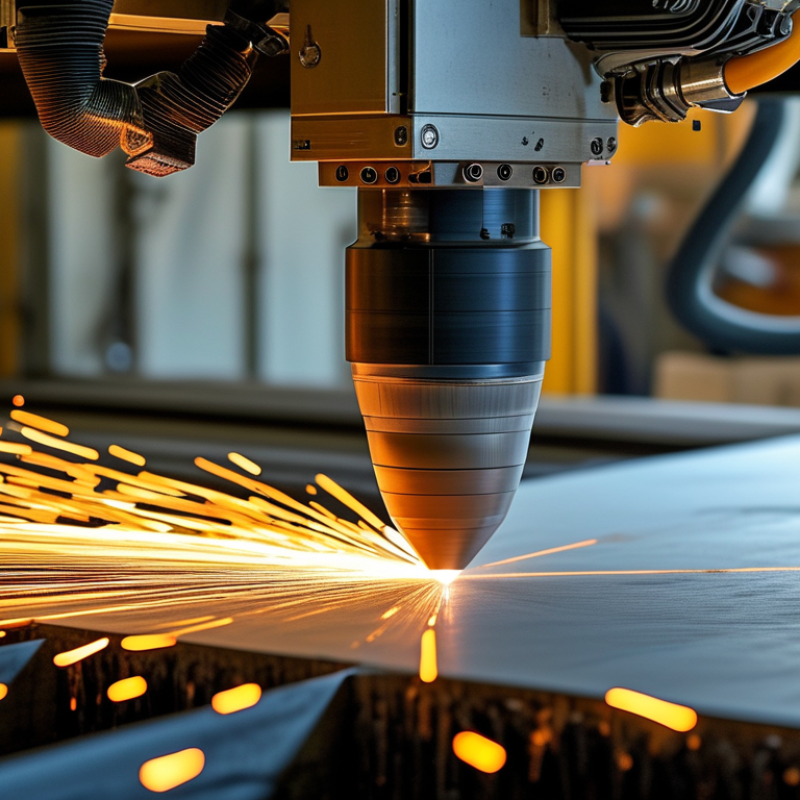
Laser cutting technology has transformed manufacturing processes in various industries. This method relies on focused light beams to cut through materials with precision. The laser beam's intensity generates heat, allowing the material to melt or vaporize. This technique is highly efficient and offers great accuracy. It can be used on metals, plastics, and even fabrics.
One of the essential principles of laser cutting is its adaptability. Different wavelengths can be used to target specific materials. This versatility allows for intricate designs that traditional methods might struggle with. However, the initial setup costs can be high. Setting up a laser cutting system requires a significant investment in technology. Additionally, operators need specialized training to handle these machines safely.
Despite its advantages, there are limitations. Some thicker materials may not cut as cleanly with lasers. This can lead to a rough edge. In contrast, traditional cutting methods might produce a smoother finish. Understanding these nuances is crucial for making informed decisions in manufacturing. With a balance of precision and practicality, businesses can choose the best cutting technique for their needs.
Laser cutting has increasingly gained favor in various industries, boasting several key advantages over traditional methods. One notable benefit is precision. Reports indicate that laser cutting can achieve tolerances as tight as 0.001 inches. This level of accuracy minimizes material waste and enhances the quality of the final products. In contrast, traditional cutting methods often struggle to provide such fine precision, leading to increased scrap costs and rework.
Speed is another critical factor. Laser cutting machines can operate at speeds of up to 600 inches per minute. This efficiency drastically reduces production time compared to conventional methods, which often rely on slower, manual processes. Furthermore, laser technology can cut through various materials, including metals, plastics, and composites, without altering the material's properties. However, while the initial investment in laser cutting technology can be high, the long-term savings from reduced labor costs and increased efficiency can make it worthwhile.
Reflecting on the impact of laser cutting, there are still areas for improvement. Operational training is essential for technicians to maximize the technology's capabilities. Some companies report a steep learning curve with laser equipment. It’s crucial to recognize that while laser cutting offers remarkable advantages, the transition requires careful planning and adaptation to realize its full potential.
| Comparison Metrics | Laser Cutting | Traditional Methods |
|---|---|---|
| Precision | Highly precise cuts, typically ±0.1 mm | Varies, generally less precise than laser cutting |
| Material Versatility | Can cut a wide range of materials including metals, plastics, wood, and more | Limited to certain materials, specific to method (e.g., saws for wood) |
| Speed | Faster cutting speeds, especially for thinner materials | Slower, especially for thicker materials |
| Waste Generation | Minimal waste due to precision cutting | Higher waste due to larger cutting paths |
| Setup Time | Short setup time for new designs | Longer setup time, especially for tooling |
| Cost Efficiency | Higher initial cost, but lower total cost over time due to reduced waste | Lower initial investment but higher long-term costs and lower efficiency |
Laser cutting technology has found its way into numerous industries, replacing traditional methods in many applications. In the automotive sector, precise cuts are crucial for manufacturing parts like body panels. Laser cutters provide a level of accuracy that traditional saws cannot match. They can handle complex designs without sacrificing quality, which is essential for automakers who prioritize efficiency and performance.
In the fashion industry, laser cutting is changing the way fabric is manipulated. Designers use it to create intricate patterns and unique textures. This technique reduces fabric waste by maximizing the use of material. However, some traditionalists argue that laser cutting can compromise the craftsmanship that hand-cutting offers. It raises questions about the value of machine precision versus human touch in design.
Construction and metal fabrication also benefit from laser technology. The ability to quickly produce intricate metal components reduces production time. But not all projects suit this method. Some large-scale work may still rely on traditional cutting. As industries adapt, finding the right balance between technology and skilled labor remains a reflection point for many professionals.
Laser cutting technology has gained prominence in various industries due to its precision and efficiency. However, it faces significant limitations compared to traditional methods like CNC machining or manual cutting. One major challenge is material compatibility. While laser cutting excels with materials like metal and plastic, it struggles with reflective surfaces, such as copper or aluminum. The energy from the laser can reflect back, causing damage to the equipment. According to a study by ResearchGate, 15% of businesses reported issues with material limitations when adopting laser technology.
Another area of concern is thickness limitations. Laser cutting is less effective on thicker materials, often requiring multiple passes, which increases production time. This can lead to higher operational costs. Industry reports indicate that for materials exceeding 25mm, traditional cutting methods remain more viable, focusing on speed and cost-effectiveness. As businesses consider switching to laser technologies, they must weigh the potential drawbacks against the benefits.
Tip: Evaluate your material needs before investing in laser technology. Assess whether your production relies heavily on reflective materials.
In addition, safety remains a crucial consideration. Laser cutting can produce harmful fumes and require ventilation systems. Ensuring proper safety protocols is essential to prevent workplace hazards. The investment in protective gear and ventilation can escalate costs, making it vital to analyze whether the benefits justify the expenditures.
Tip: Regular training for staff can mitigate safety risks when using laser cutting equipment.
Laser cutting technology is rapidly evolving, reshaping the manufacturing landscape. Recent reports highlight that the global laser cutting market is projected to reach $5.84 billion by 2029, growing at a CAGR of 4.9%. This growth is driven by advancements in laser technology and increasing demand for precision in metal fabrication.
One of the key trends is the integration of AI and machine learning in laser cutting systems. These technologies enable real-time monitoring and optimization, enhancing efficiency. With smart manufacturing on the rise, companies can expect to reduce waste and improve resource allocation. However, transitioning to these advanced systems requires skilled labor and initial investment, posing challenges for smaller enterprises.
Tips: Embrace continuous training for your workforce. Staying updated on technology is crucial in maintaining a competitive edge. Additionally, consider pilot programs to test new systems before a full rollout. Carefully assess the costs versus benefits. The initial hurdles may be significant, but the long-term gains in efficiency and quality will be worthwhile. Investing in laser cutting technology can enhance your operational capacity while meeting precise manufacturing needs. It's important to weigh the learning curve against potential ROI.
: Laser cutting technology uses focused light beams to cut materials with high precision.
A laser beam generates heat to melt or vaporize the material for cutting.
Lasers can cut metals, plastics, and even fabrics effectively.
Yes, thicker materials may not cut cleanly, leading to rough edges.
Laser cutting offers great accuracy and reduces production time in many cases.
Yes, specialized training is necessary to operate laser cutting machines safely.
Initial setup costs for laser cutting systems can be quite high.
It maximizes material use and reduces waste, but may compromise handcrafted quality.
No, some large-scale projects may still require traditional cutting techniques.
They should weigh precision, practicality, costs, and the need for skilled labor.
Laser cutting technology has revolutionized manufacturing by offering precision and efficiency that set it apart from traditional cutting methods. By utilizing focused laser beams to cut materials, it enables intricate designs that are often difficult to achieve with conventional techniques. Key advantages of laser cutting include its ability to work with a wide range of materials, reduced waste, and the capacity for automation, which enhances production speed and consistency.
However, how does laser cutting compare to traditional cutting methods? Although it offers numerous benefits, there are limitations such as initial investment costs and the need for specialized equipment. Additionally, not all materials are suitable for laser cutting, which can restrict its application in certain industries. As technology advances, future trends in laser cutting are likely to address these challenges and further impact the manufacturing landscape, driving innovation and efficiency across various sectors.
