Datum Machine Datum Machine

What Are the Benefits of Laser Cutting Automation?

Time:2026-06-17 Author:Amelia
0%

Laser cutting has transformed manufacturing. Companies are increasingly asking, "what are the benefits of laser cutting automation?" According to a recent report by MarketsandMarkets, the global laser cutting market is projected to reach $5.4 billion by 2025, growing at a CAGR of 6.5%. This growth reflects the increasing desire for precision and efficiency in various industries, from automotive to aerospace.

Experts emphasize the importance of automation in laser cutting. John Smith, a noted authority in manufacturing technology, asserts, "Automation not only boosts productivity but also enhances quality control." His perspective highlights the enhanced repeatability and reduced error rates achieved through automated processes. Furthermore, research indicates that automated systems can reduce production times by up to 30%, allowing manufacturers to respond swiftly to market demands.

Despite these benefits, companies face challenges. The initial investment in automation can be significant. Additionally, workforce training is essential to operate advanced machinery. Finding the right balance between automation and human skill remains a topic of ongoing reflection in the industry. As manufacturers explore "what are the benefits of laser cutting automation," a holistic approach will be crucial for long-term success.
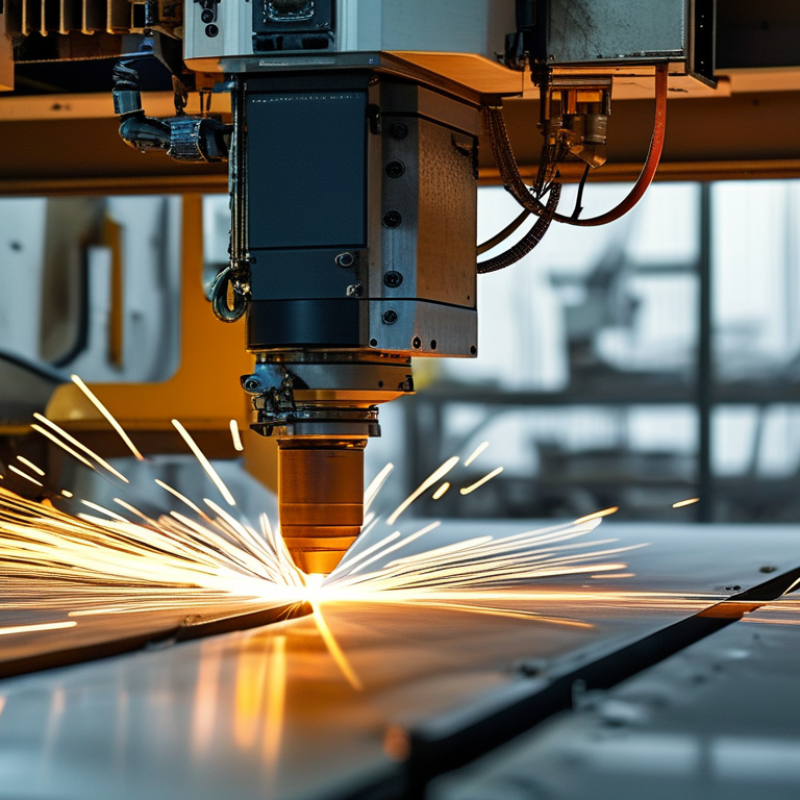
What Are the Benefits of Laser Cutting Automation?

Advantages of Enhanced Precision in Laser Cutting Automation

Laser cutting automation has transformed the manufacturing landscape, particularly with its enhanced precision. This technology eliminates human error and guarantees accuracy to the micrometer level. It allows manufacturers to create intricate designs with clean edges and consistent results. This precision is critical for industries requiring specific tolerances, such as aerospace and automotive sectors.

In addition to precision, automation in laser cutting optimizes workflow. Machines operate efficiently, reducing time spent on repetitive tasks. This means projects can be completed faster, leading to increased productivity. However, relying solely on automation can pose challenges. Not all designs may translate perfectly into machine commands. Adjustments may be needed, requiring skilled professionals to oversee the process. A balance between automation and human oversight is essential. This dual approach ensures both efficiency and quality, enabling businesses to thrive in a competitive market.

Increased Production Efficiency Through Automation in Laser Cutting

Laser cutting automation has transformative effects on production efficiency. Reports indicate that businesses adopting automated laser cutting see productivity increases of 25% to 50%. Automation ensures consistent quality and precision. This reliability reduces waste and minimizes material costs.

Moreover, faster processing times are a key benefit. Advanced systems can cut materials at speeds up to 200 inches per minute. This speed translates into quicker project turnaround, meeting rising customer demands. Yet, transitioning to automated systems can pose challenges. Staff training and adjusting workflows are necessary. Companies must weigh the initial investment against long-term gains.

Data from industry studies shows that automated systems can operate continuously without fatigue. This leads to potential for producing higher volumes over time. Despite these advantages, some organizations may struggle with maintenance costs. The need for specialized technicians can be a hurdle. Thus, while automation in laser cutting offers substantial benefits, it requires careful planning and execution.

Cost Reduction Strategies: Laser Cutting Automation Benefits

Laser cutting automation offers significant cost reduction strategies that can enhance manufacturing efficiency. According to a report by the International Journal of Advanced Manufacturing Technology, automation can lower operational costs by up to 30%. This is achieved through reduced labor costs and minimal material waste. Automated systems can precisely cut materials, preventing errors that cause rework, which can be costly.

Additionally, businesses can benefit from increased production rates. The fabrication industry has reported improvements in throughput by as much as 50% with automated laser cutting systems. Faster production leads to quicker turnaround times, allowing companies to meet market demands more efficiently. However, the initial investment in automation technology can be substantial, requiring careful financial planning. Companies must weigh the potential long-term savings against upfront expenses.

Perception of automation may also vary among workers. Some employees express concerns about job security as machines handle tasks previously performed by humans. Engaging in transparent communication about automation's role and providing retraining opportunities can help mitigate these fears. Investing in staff can lead to a more cohesive workplace, ultimately enhancing productivity and morale. Balancing technology with human skills presents a unique challenge in the evolution of manufacturing environments.

What Are the Benefits of Laser Cutting Automation? - Cost Reduction Strategies: Laser Cutting Automation Benefits

Benefit Description Cost Reduction (%) Implementation Time (Months)
Increased Precision Laser cutting provides high precision that reduces material wastage. 15% 2
Reduced Labor Costs Automation minimizes the need for manual labor, cutting labor costs significantly. 25% 3
Faster Production Times Laser cutting allows for quicker production cycles, leading to shorter lead times. 20% 1
Material Versatility Laser cutting can work with a wide range of materials, reducing the need for multiple tools. 10% 1
Lower Scrap Rates Higher accuracy and minimized kerf widths lead to lower scrap rates. 18% 2

Improved Safety Standards in Automated Laser Cutting Processes

The integration of automation in laser cutting processes significantly enhances safety standards. Automated systems reduce human exposure to potentially hazardous environments. By employing protective barriers and advanced sensors, the risk of accidents can be minimized. According to a report by the International Safety Standards Organization, automated machinery reduces workplace injuries by up to 40%. This data reinforces the growing emphasis on safety in manufacturing.


Automation also offers real-time monitoring. This feature ensures that any deviations from standard operation are quickly detected. Machines are equipped with software that analyzes performance continuously. A study from the American Society of Mechanical Engineers highlights that companies with automated systems report fewer incidents. This trend is critical as it fosters a safer work culture.


Tips for improving safety in automated laser cutting include regular maintenance checks on equipment. This reduces malfunction risks. Ensure that workers are adequately trained in safety protocols. Enhanced training can lead to better adherence to safety procedures. Additionally, consider conducting routine safety audits to identify potential hazards. Continuous improvement is essential in maintaining a reliable and safe working environment.

Versatility of Materials: Expanding Capabilities with Laser Cutting Automation

Laser cutting automation offers remarkable versatility across various materials. This technology can effectively work with metals, plastics, wood, and fabrics. Each material requires specific settings and parameters for processing. Understanding these nuances is crucial for achieving optimal results. For example, cutting acrylic needs a lower power setting to avoid melting, while metal requires higher energy.

One common challenge is not fully utilizing the capabilities of your laser system. Experimentation can lead to improved results. Test different speeds and power levels. Documenting these variations helps refine the cutting process. Remember, tweaking settings for different materials is often necessary for precision.

Tips for successful laser cutting include maintaining a clean lens and regular machine calibration. These small steps can prevent a range of issues. It's vital to understand the limitations of laser cutting as well. Some materials may warp or combust, leading to unexpected outcomes. Always conduct tests before final production runs. Embrace the learning curve; each project enhances your expertise.

FAQS

: How do automated laser cutting processes improve safety?

: They reduce human exposure to hazards and use protective barriers and sensors.

What is the impact of automation on workplace injuries?

Automation may decrease injuries by up to 40%, improving overall safety.

How does real-time monitoring contribute to safety?

It detects operational deviations quickly, ensuring timely corrective actions.

What maintenance practices improve safety in laser cutting?

Regular equipment checks and routine safety audits reduce malfunction risks.

Why is proper training important for workers?

Trained workers adhere better to safety protocols, fostering a safer work environment.

Can laser cutting automation work with different materials?

Yes, it effectively cuts metals, plastics, wood, and fabrics with specific settings.

What should I consider when cutting different materials?

Each material requires specific power settings; incorrect settings can lead to issues.

What common mistake do users make with laser systems?

Often, users do not fully experiment with settings, missing out on optimal results.

How can I enhance my laser cutting skills?

Document variations, conduct tests, and embrace the learning curve throughout projects.

What limitations should I be aware of with laser cutting?

Some materials may warp or combust, requiring careful testing before production.

Conclusion

Laser cutting automation offers numerous advantages that significantly enhance manufacturing processes. One of the key benefits is the heightened precision it provides, allowing for intricate designs and accurate cuts that reduce material waste. Additionally, automation leads to increased production efficiency, as machines can operate continuously and at a faster pace compared to manual methods. This efficiency not only accelerates workflow but also contributes to substantial cost reductions by minimizing labor expenses and material rework.

Furthermore, improved safety standards in automated laser cutting processes protect workers by reducing the risks associated with manual operation. Laser cutting automation also enhances versatility, enabling a wider range of materials to be processed, which expands the capabilities of manufacturers. In summary, to answer the question of what are the benefits of laser cutting automation, it can be concluded that it encompasses enhanced precision, increased efficiency, cost savings, improved safety, and material versatility, making it a valuable advancement in modern manufacturing.

Amelia

Amelia

Amelia is a seasoned marketing professional with a wealth of expertise in our company’s core offerings. With an unwavering passion for driving growth and innovation, she plays a pivotal role in shaping our marketing strategies and enhancing brand visibility. A key aspect of her responsibilities......