Datum Machine Datum Machine

How Does Automation Enhance Manufacturing Efficiency?

Time:2026-08-26 Author:Isabella
0%

In the current landscape of manufacturing, efficiency is paramount. Companies are constantly seeking ways to optimize production processes. One key method is automation. But how does automation improve manufacturing efficiency?

Automation streamlines repetitive tasks. Machines can perform these jobs faster than humans. This not only reduces the time taken but also minimizes errors. With precision engineering, automated systems ensure high quality. However, reliance on technology poses challenges. There is a risk of equipment failure that can halt production.

Moreover, automation often leads to workforce changes. Employees may need to adapt or reskill for new roles. This transition can be difficult and may require significant training. It highlights the importance of balancing technology and human skill. Companies must carefully consider these aspects to fully realize the benefits of automation in manufacturing.
How Does Automation Enhance Manufacturing Efficiency?

The Definition of Automation in Manufacturing

Automation in manufacturing refers to the use of technology to perform tasks with minimal human intervention. This includes robotics, artificial intelligence, and data analytics. According to a report by McKinsey, automation can enhance productivity by up to 30% in various manufacturing sectors. This translates into significant cost savings and efficiency gains. With machines taking over tedious tasks, employees can focus on more strategic activities.

However, the implementation of automation is not without its challenges. Approximately 60% of manufacturers report difficulties in integrating new technologies with existing systems. This highlights the importance of training and change management. Proper guidance is essential for a seamless transition. Moreover, while automation increases speed, there are concerns about job displacement. According to a report by the World Economic Forum, an estimated 85 million jobs may be displaced by automation in the next few years. The balance between efficiency gains and workforce impact requires careful consideration.

A successful automation strategy is about more than just technology. It involves understanding the specific needs of a manufacturing process. Each factory has unique constraints and challenges. Tailoring solutions can lead to improved outcomes. As manufacturers navigate this landscape, they must address not only the technical aspects but also the human elements of change.

How Does Automation Enhance Manufacturing Efficiency?

Aspect Description Impact on Efficiency
Production Speed Automation systems increase the rate of production by reducing cycle times. Up to 30% increase in production speed.
Quality Control Automated systems use sensors and AI to detect defects. Reduces defect rates by 20%.
Labor Efficiency Automation allows workers to focus on higher-level tasks. Improves labor productivity by 25%.
Flexibility Automated systems can be adjusted for different products quickly. Shortens changeover time by 15%.
Cost Reduction Lower operational costs through reduced labor and waste. Total cost savings of 10-15% over time.

Key Technologies Driving Automation in Manufacturing

Automation in manufacturing has significantly transformed the industry landscape, driven by several key technologies. Robotics, a cornerstone of automation, allows for precision and speed in production lines. According to a recent report by the International Federation of Robotics, there was a global increase of 12% in the installation of industrial robots in 2021 alone. This surge demonstrates how companies are committing to harnessing robotic technology to enhance operational efficiency.

Artificial intelligence (AI) is another game changer, enabling manufacturers to optimize processes and reduce downtime. A study published by McKinsey highlights that AI can potentially increase productivity in manufacturing by up to 20%. AI systems analyze vast amounts of data to identify inefficiencies and predict maintenance needs, which leads to improved reliability. However, reliance on AI must be approached with caution, as potential biases in programming can lead to flawed decision-making.

Integrating Internet of Things (IoT) devices creates smart factories where machines communicate seamlessly. This level of connectivity allows for real-time monitoring and management of production workflows. However, as manufacturers adopt IoT technology, they must confront security challenges. A report from Cisco indicates that 60% of companies experience at least one significant IoT security breach per year. This highlights the importance of implementing robust cybersecurity measures alongside automation advances.

Benefits of Automation on Production Efficiency

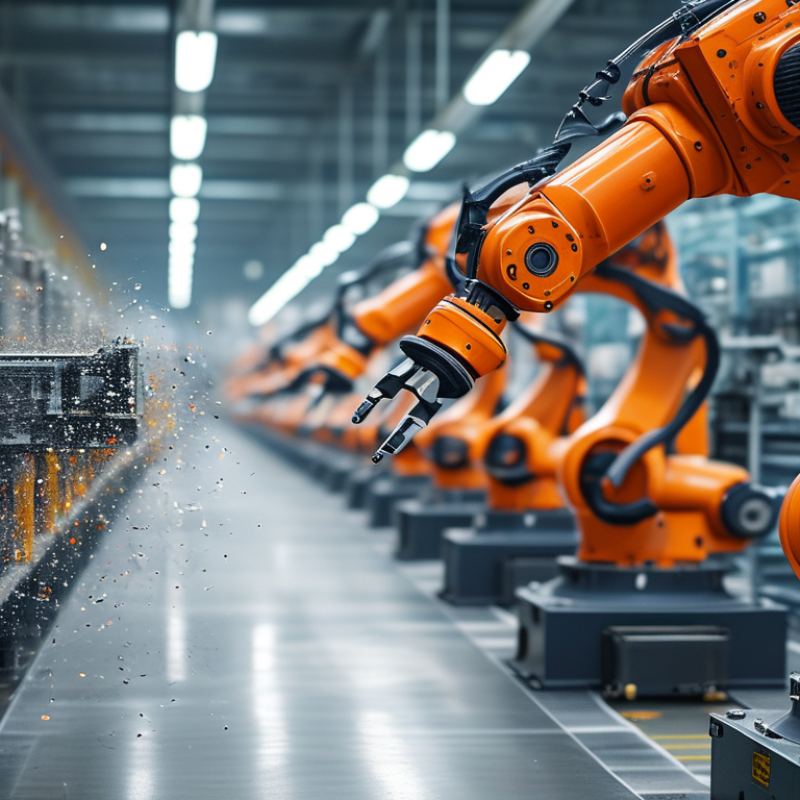
Automation transforms manufacturing processes by enhancing production efficiency in several key ways. By integrating machines and software, companies can achieve faster cycle times. This speeds up production, reducing delays. For instance, robotic arms in assembly lines can operate continuously without breaks, significantly increasing output.

Additionally, automation minimizes human error. This leads to higher quality products since machines perform tasks with precision. Through data analysis, manufacturers can identify inefficiencies and optimize their workflows. However, the initial setup costs for automation can be daunting. Companies need to consider training their workforce for this transition.

While automation offers great advantages, it also poses challenges. Not every task is suitable for automation, and some processes may still require human oversight. A balance between technology and human expertise is crucial for sustainable growth. Embracing automation is not simply about replacement; it is about enhancing the overall manufacturing ecosystem.

Impact of Automation on Workforce Dynamics

The rise of automation in manufacturing is reshaping workforce dynamics significantly. A recent report from the International Federation of Robotics highlights that by 2025, global industrial robot installations are expected to increase by 20%. While this indicates a leap in productivity, it also raises concerns about job displacement. Historically, automating repetitive tasks has allowed companies to optimize labor costs. Yet, this efficiency often comes at the expense of traditional roles.

Data shows that 75 million jobs could be displaced by automation by 2025, according to the World Economic Forum. Despite this, it's crucial to recognize that new roles will emerge. The same report suggests that around 133 million new jobs could evolve, focusing on more complex tasks requiring human oversight. As manufacturing processes become more reliant on technology, reskilling and upskilling the workforce will be essential. Companies must prioritize this transformation, integrating training programs that equip employees with the skills needed for new roles.

However, the transition is not without its challenges. Many workers may find it difficult to adapt to new technologies. This can lead to frustration and job insecurity. It is essential for companies to consider the psychological impact of automation on their workforce. Balancing efficiency gains from automation with the well-being of employees is critical. The future of manufacturing depends on how well organizations navigate these changes and prioritize their workforce.

Impact of Automation on Manufacturing Efficiency

The bar chart above illustrates the impact of automation on manufacturing efficiency. It shows that manufacturing efficiency improved from 65% before automation to 85% after automation, highlighting the significant gains companies can achieve through technological advancements.

Challenges and Solutions in Implementing Automation

Implementing automation in manufacturing can significantly boost efficiency, but challenges often arise. One major hurdle is the resistance to change among employees. Workers may fear job losses or feel unprepared for new technology. To address this, companies must prioritize training programs. These programs can help workers adapt and grow alongside new automation systems.

Another challenge lies in the complexity of integrating automation with existing processes. Legacy systems may not easily interface with new technologies, leading to disruptions. A thorough assessment and pilot testing can mitigate these risks. It is vital to analyze current workflows and identify friction points. This approach allows for smoother transitions and better alignment between human efforts and automated processes.

Additionally, data security becomes a crucial concern. As automation relies heavily on data, safeguarding sensitive information is essential. Companies should invest in robust cybersecurity measures. Regular audits and updates can help maintain system integrity. By recognizing these challenges and proactively seeking solutions, manufacturers can harness automation's full potential.

FAQS

: What is automation in manufacturing?

: Automation in manufacturing uses technology to perform tasks with minimal human involvement. It includes robotics and data analytics.

How can automation improve productivity?

Automation can enhance productivity by up to 30%, leading to substantial cost savings and improved efficiency for manufacturers.

What challenges do manufacturers face with automation?

Many manufacturers struggle with integrating new technologies. About 60% report difficulties aligning automation with existing systems.

How does automation affect jobs?

Automation may displace about 85 million jobs in the coming years, raising concerns about workforce impacts as efficiency improves.

What role does artificial intelligence play in automation?

AI optimizes manufacturing processes and reduces downtime by analyzing data, potentially increasing productivity by up to 20%.

Are cybersecurity concerns associated with the Internet of Things (IoT)?

Yes, 60% of companies face IoT security breaches each year, stressing the need for strong cybersecurity alongside automation efforts.

Why is employee training essential during automation?

Training helps employees adjust to new technologies, reducing resistance and easing fears about job security amid automation changes.

How can companies address integration challenges?

Companies should assess existing workflows and pilot test new systems to ensure smoother transitions and compatible operations.

What’s important about customizing automation solutions?

Customizing solutions meets unique factory constraints, leading to better outcomes and addressing specific challenges in each environment.

What should manufacturers do to protect their data during automation?

Investing in robust cybersecurity measures, performing regular audits, and keeping systems updated are essential for data protection.

Conclusion

Automation in manufacturing refers to the use of technology to facilitate and enhance production processes, which significantly boosts efficiency. Key technologies driving automation include robotics, artificial intelligence, and the Internet of Things (IoT), all of which streamline workflows and reduce manual labor. The benefits of automation on production efficiency are profound; they lead to increased output, better quality control, and reduced operational costs. However, implementing automation also impacts workforce dynamics, as it necessitates a shift in skill requirements and can lead to job displacement. Addressing these challenges is crucial for successful integration, emphasizing the importance of workforce retraining and adaptive strategies.

In summary, understanding "how does automation improve manufacturing efficiency" reveals its transformative potential in modern production environments. While technology enhances operational capabilities, the balance between innovation and human resource management remains a critical aspect of successful automation implementation.

Isabella

Isabella

Isabella is a dedicated marketing professional with a sharp focus on driving brand growth and engagement through strategic content creation. With an extensive background in digital marketing, she combines her passion for storytelling with her keen understanding of industry trends to deliver......