Datum Machine Datum Machine

What is Automated Laser Cutting and How Does It Work?

Time:2026-06-17 Author:Madeline
0%

Automated laser cutting is revolutionizing various industries. This technology utilizes focused laser beams to precisely cut materials. With high accuracy, it enhances productivity and efficiency in manufacturing. But how does automated laser cutting work?

The process is surprisingly intricate. It begins with a computer-controlled system that directs the laser. This system can easily adjust the cutting parameters. Material thickness, type, and desired shape all influence the settings. The laser then melts, burns, or vaporizes the material, creating clean edges and intricate designs.

However, not all materials react the same way. Some materials may warp or burn when exposed to heat. This can lead to imperfections in the final product. Understanding these nuances is vital for achieving high-quality outcomes. Engaging with automated laser cutting requires expertise and a willingness to adapt to its complexities.
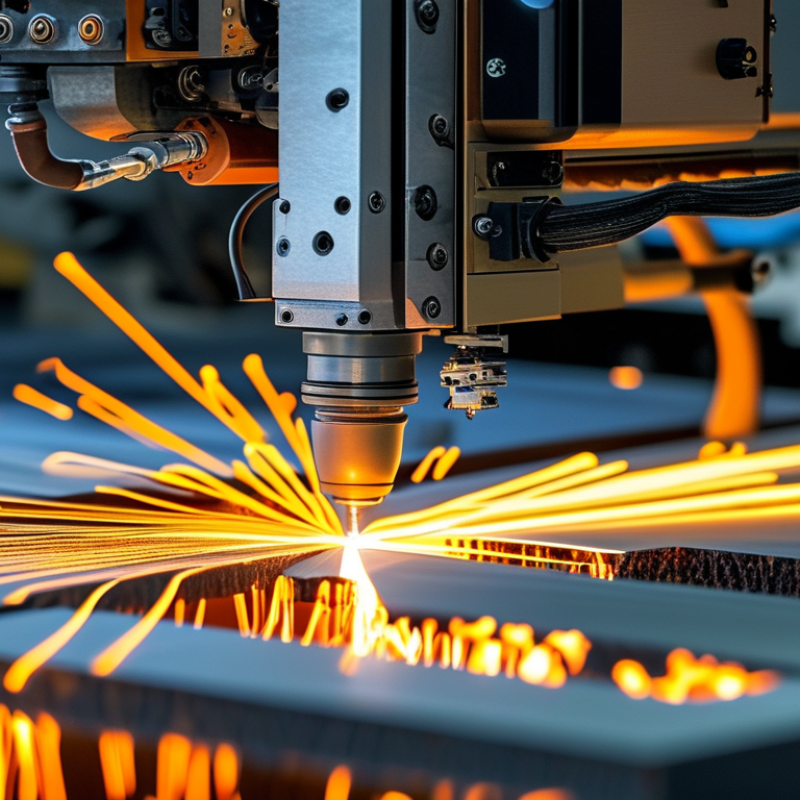
What is Automated Laser Cutting and How Does It Work?

What is Automated Laser Cutting and Its Importance in Manufacturing

Automated laser cutting plays a crucial role in modern manufacturing. This technology uses focused laser beams to cut materials with extreme precision. It can work on various materials, including metals, plastics, and wood. The speed and accuracy of laser cutting improve production efficiency. Errors that typically occur in manual cutting are significantly reduced.

The importance of automated laser cutting cannot be overstated. It allows manufacturers to create intricate designs that were once challenging. The process is repeatable and consistent, ensuring high-quality outputs. However, there are limitations. The initial investment in laser cutting machines can be high. Not all materials are compatible, which can restrict application versatility.

Employing automated laser cutting is a strategic choice. It reduces labor costs and increases productivity. Businesses must consider the overall impact of automation on their operations. While the benefits are substantial, a reliance on technology raises questions about skill preservation in the workforce. Balancing automation with human expertise is essential for sustainable growth.

Key Technologies Behind Automated Laser Cutting Systems

Automated laser cutting is revolutionizing manufacturing. It utilizes precision lasers to cut materials like metals and plastics. The technology relies on key components such as high-powered lasers, advanced optics, and CNC systems. According to industry data, the global laser cutting market is expected to grow by 10% annually, reaching $6 billion by 2025.

High-powered fiber lasers are particularly notable. They offer efficiency, speed, and lower operational costs. This innovation is replacing traditional cutting methods in many factories. Advanced optics ensures the laser focuses with pinpoint accuracy. Yet, challenges remain in integrating these systems into existing workflows.

CNC technology is another crucial element. It allows for precise control over the cutting process. As reported by industry analysts, up to 70% of manufacturers see automation as vital for competitiveness. However, training staff to use these advanced systems can be a hurdle. Understanding the technology fully is essential for maximizing its potential.

Step-by-Step Process of Automated Laser Cutting Operations

Automated laser cutting is transforming manufacturing processes across various industries. The operation begins with a computer-aided design (CAD) file. This file defines the exact specifications and features of the desired cut. Precision is key; according to industry reports, automated laser cutting can achieve tolerances as tight as ±0.1 mm. This level of accuracy significantly reduces material waste and costs.

Once the CAD file is uploaded, the machine setup follows. Operators configure parameters such as speed, power, and focus. These settings depend on the material type. For instance, cutting stainless steel requires different settings compared to acrylic. Industry data indicates that the efficiency of laser cutting systems can reach over 95%. However, inconsistencies can arise, especially if the material is not adequately prepared. Dust or uneven surfaces may affect the cut quality.

The cutting process itself involves the laser beam, which is generated and focused onto the material. As the beam heats the surface, it vaporizes or melts the material away. Monitoring is crucial; operators need to watch for issues like spatter or dross formation, which can occur unexpectedly. In fact, research suggests that nearly 15% of automated cuts need rework due to these factors. This highlights the importance of ongoing training and quality control in laser cutting operations.

Industry Applications of Automated Laser Cutting in Various Sectors

Automated laser cutting is transforming several industries. This technology uses high-powered lasers to cut materials precisely. Its efficiency is remarkable. According to a report by Industry Insights, the global laser cutting market is expected to reach $6.7 billion by 2026. This growth is driven by its wide application in various sectors.

In the automotive industry, automated laser cutting enables manufacturers to produce complex parts quickly. It improves accuracy while reducing waste by 30%. Aerospace applications benefit from this technology too. High-strength materials are cut with minimal distortion. A recent study showed a 40% reduction in lead times for aerospace components. Such efficiency is crucial for meeting the growing demand in these sectors.

The electronics industry relies on automated laser cutting for precision. It allows manufacturers to create intricate designs for circuit boards and casings. Research indicates that over 50% of electronics manufacturers are adopting this technology. Challenges remain, though. For instance, the initial investment can be significant. Additionally, training staff to operate advanced laser systems requires time and resources. These factors can complicate the overall adoption process.

Future Trends and Innovations in Laser Cutting Technology

Laser cutting technology has evolved significantly, and we see promising trends on the horizon. Advanced automation is reshaping how industries approach design and production. This means faster turnarounds with greater precision. Manufacturers can produce intricate designs without the typical constraints of traditional methods. We are seeing machines that can adapt in real-time during cutting processes. This adaptability reduces waste and increases efficiency.

Reliability in automated laser cutting is also improving. New algorithms optimize cutting paths and speeds, enhancing material usage. However, as with any new technology, there are challenges. For instance, the skill gap in operating these advanced systems remains a concern. Training is essential to fully leverage the benefits of automation. Innovations such as AI-driven diagnostics are stepping in to assist operators, but reliance on AI can be a double-edged sword. Balancing technology with human oversight could lead to both better results and new hurdles.

Ultimately, the future of laser cutting lies in integrated systems. If done right, these advancements could redefine manufacturing landscapes. Yet, identifying and addressing potential pitfalls will be crucial to witness the full promise of these innovations. Keeping an eye on ethical standards is equally vital.

What is Automated Laser Cutting and How Does It Work? - Future Trends and Innovations in Laser Cutting Technology

Feature Description Benefits Future Trends
Precision Cutting Automated laser cutting utilizes focused laser beams to cut materials with high accuracy. Minimizes material waste and reduces post-processing needs. Integration with AI for enhanced precision and adaptability.
Versatile Material Compatibility Can cut various materials, including metals, plastics, and fabrics. Flexibility in applications across different industries. Development of multi-material cutting capabilities.
Speed and Efficiency High-speed cutting speeds reduce production time. Increases throughput and lowers operational costs per unit. Advancements in laser technologies improving cutting speeds.
Automation and Robotics Robotic arms and automated systems enhance operational efficiency. Reduces the need for manual intervention, ensuring consistency. Increased adoption of cobots (collaborative robots) in manufacturing settings.
Software Integration Advanced software for design and cutting path optimization. Enhances design flexibility and reduces setup time. Real-time adjustments and improved user interfaces.

FAQS

: What is automated laser cutting?

: Automated laser cutting uses focused laser beams for precise cutting of various materials, enhancing manufacturing efficiency.

Why is automated laser cutting important?

It allows for intricate designs and consistent quality, while reducing errors compared to manual cutting methods.

What materials can be cut using this technology?

Automated laser cutting can work on metals, plastics, and wood, among others.

Are there limitations to automated laser cutting?

Yes, the initial investment can be high, and not all materials are suitable for this cutting process.

How does automated laser cutting affect labor costs?

It reduces labor costs significantly by increasing productivity, but it raises concerns about preserving human skills.

What role does CNC technology play?

CNC technology provides precision control in the cutting process, making automation more effective.

How is automated laser cutting used in the automotive industry?

It enables quick production of complex parts, improving accuracy and reducing waste significantly.

What challenges come with adopting automated laser cutting?

Initial costs and the need for staff training can complicate the adoption of this technology.

How does automated laser cutting benefit the electronics industry?

It creates intricate designs for circuit boards and casings, essential for modern electronics manufacturing.

What should companies consider when implementing automation?

Companies need to balance technology use with workforce skill preservation for sustainable growth.

Conclusion

Automated laser cutting is a highly efficient and precise manufacturing process that utilizes focused laser beams to cut materials with minimal waste and high accuracy. Understanding how does automated laser cutting work involves recognizing its key technologies, including laser generation systems and CNC controls, which work in tandem to execute complex designs seamlessly. The step-by-step process typically involves drawing the design, setting up the machine, and executing the cut with real-time monitoring of the parameters to ensure quality.

This cutting-edge technology has found applications in various industries, from automotive to electronics, due to its versatility and precision. As industries continue to evolve, future trends indicate a significant push towards further automation and integration of artificial intelligence, promising to enhance the capabilities and efficiency of laser cutting systems even further. This evolution positions automated laser cutting as a cornerstone of modern manufacturing practices.

Madeline

Madeline

Madeline is a dedicated marketing professional with a wealth of expertise in our company's core offerings. With a keen understanding of the industry, she brings a unique perspective to her role, consistently delivering high-quality content that highlights the superior aspects of our products. As......